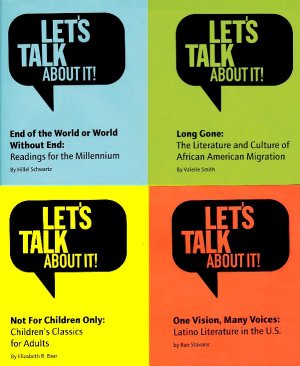
Eight years later, a 1990 National Center for Education Statistics survey reported 507 million annual visits to public libraries nationwide. What were all those people doing? They were likely doing more than just browsing the shelves. Libraries were evolving into dynamic community spaces, positioning themselves as third spaces not just for children but also for adult literary and humanities programming.
Inspired by this large number of library users and the potential of library programming to shape civic and cultural life, the American Library Association’s Public Programs Office (PPO) was founded in 1992 by Deb Robertson.
"Up until the 1980s and '90s, children's programming was the norm in libraries, while adult programming was a rarity," Robertson says. "But adult programming, in particular, offers libraries a way to reflect and support communities, and serve a mission of lifelong learning. It can bring library collections to life and offers ways for individuals to explore ideas together."
The Public Programs Office encouraged libraries to think beyond the status quo—and gave them the resources to do just that. For the past 34 years, the Public Programs Office has remained committed to its mission of empowering libraries to create vibrant hubs of learning, conversation, and connection in communities of all types. When library programming was once seen as book clubs and author talks, PPO has helped shift the vision of what library programs can be. Today, it’s common to enter a library of any size in the United States and see everything from prom dress swaps, citizenship classes, game nights, themed parties, Death Cafés, bike repairs, bread making, sensory rooms, job search help, and the list goes on. What was once seen as innovative is now everyday library work.
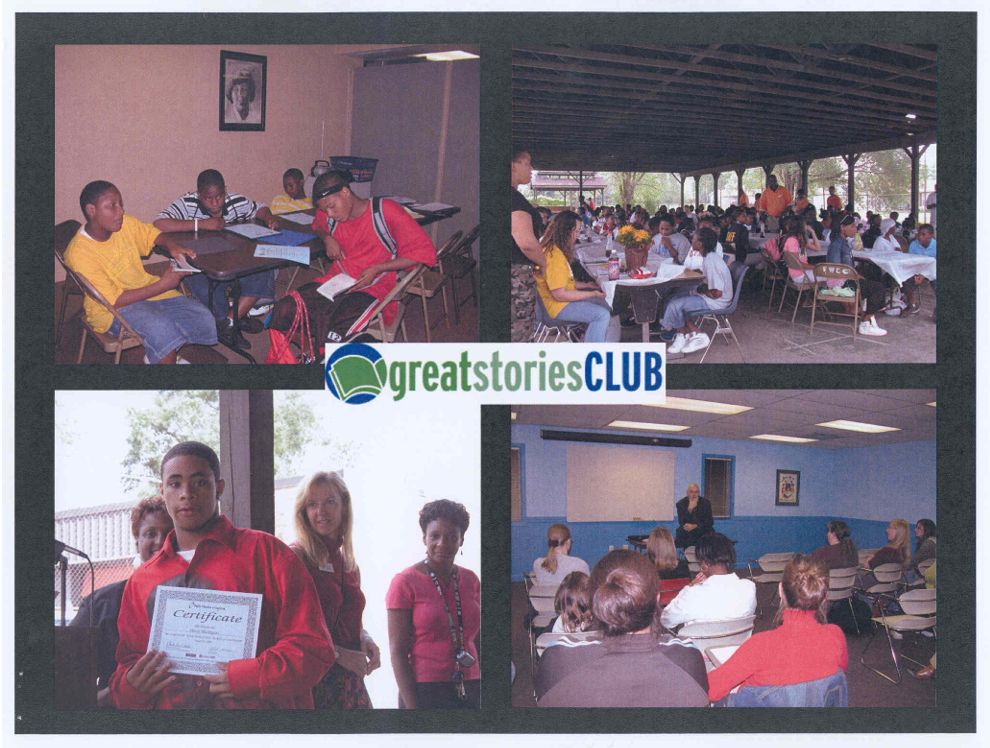
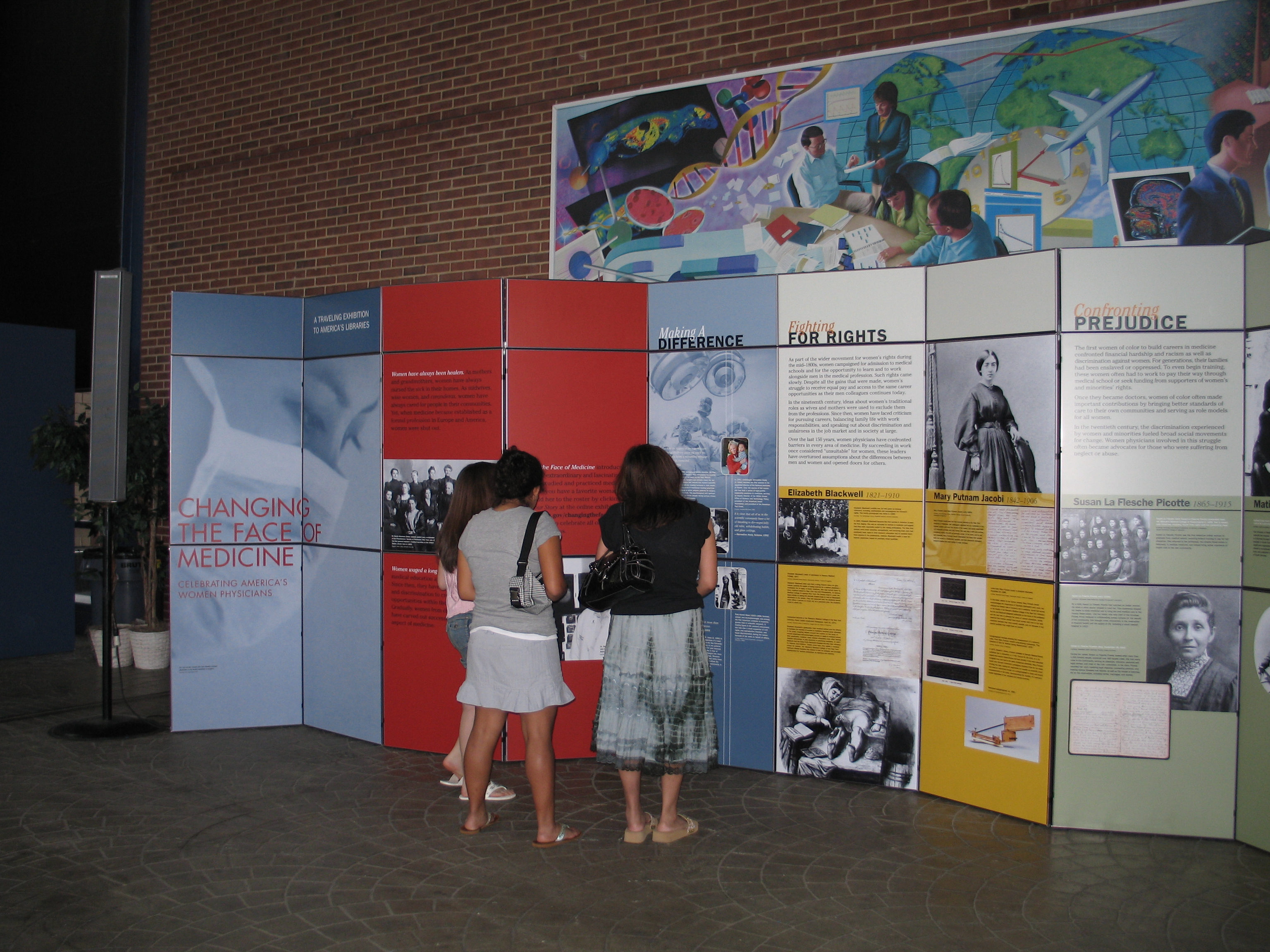
Though it represents less than a quarter of ALA’s life, the impact of the Public Programs Office has been transformative. From ambitious traveling exhibits like Alexander Hamilton: The Man Who Made Modern America (2004), Harry Potter's World: Renaissance Science, Magic, and Medicine (2009), and Changing America: The Emancipation Proclamation, 1863 and the March on Washington, 1963 (2014), libraries can bring world-class museum exhibits to their communities. PPO has also led some of ALA’s most recognizable initiatives, like Libraries Transforming Communities, Picturing America, Media Literacy for Adults, Thinking Money for Kids, and the Great Stories Club. The Public Programs Office has continuously produced a diverse range of opportunities for all library types.
It’s not just resources, programs, and exhibits either. PPO has distributed millions of dollars in grants and awards to libraries to better serve their communities, including $3.6 million in 2025 alone.
The Cultural Communities Fund, created in 2004 with a challenge grant from the National Endowment for the Humanities, was an investment indicating the importance of this work. Over the years, PPO has partnered with an extensive network of supporters, partners, and funders including the Institute of Museum and Library Services, the National Science Foundation, the National Library of Medicine, The Smithsonian's National Museum of African American History and Culture, Wallace Foundation, FINRA Investor Education Foundation, Dollar General Literacy Foundation, NASA, Folger Shakespeare Library, W.K. Kellogg Foundation, Capital One, the United States Holocaust Memorial Museum, the Ford Foundation, The John A. Hartford Foundation, and The Pulitzer Prizes, among many others.
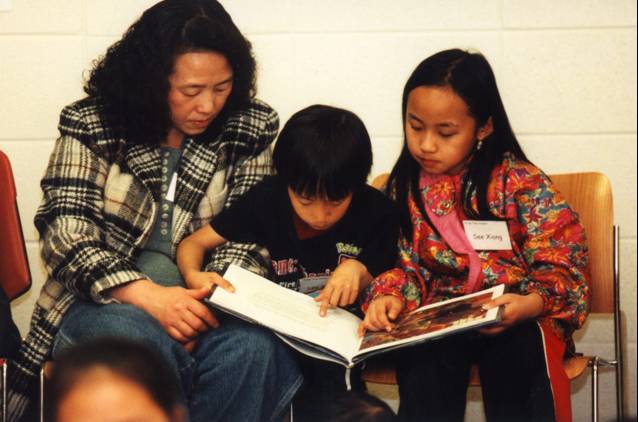
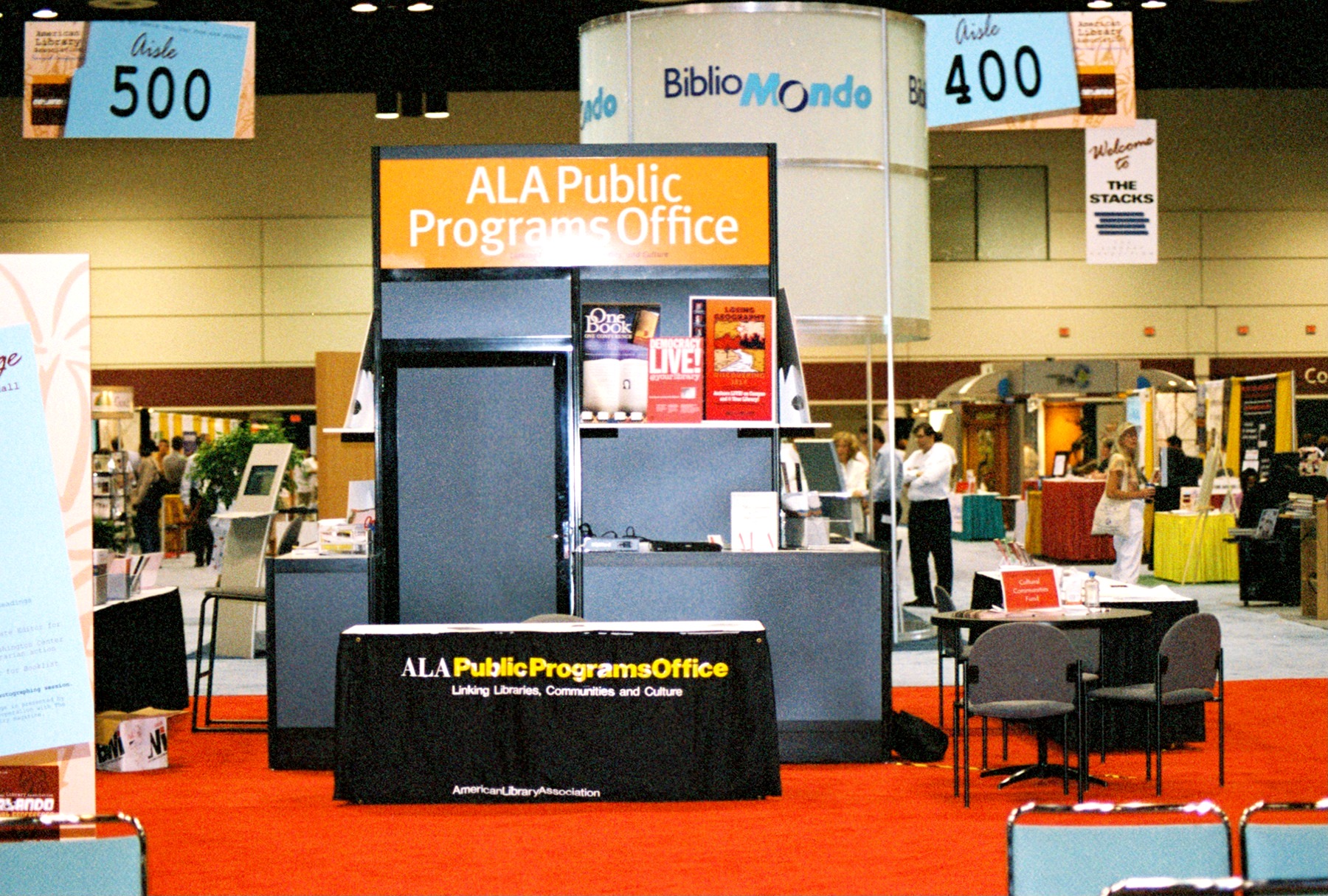
Aside from PPO’s endless list of projects and thousands of libraries touched by the office’s work, the most important outcome has been empowering libraries to be more than a place for books, but a place for someone to find and be within their community. PPO has helped redefine the library not just as a place for books, but a place where people gather, learn, celebrate, debate, create, and connect. From baby STEM programs to older adult fitness classes, its work has shaped how libraries support patrons at every stage of life.
In just 34 years, the Public Programs Office has helped reimagine what library programming can be. Imagine what the next 150 years might hold.
For more on PPO’s history, visit the timeline of programming on the ALA website and continue exploring ProgrammingLibrarian.org (circa 2008).