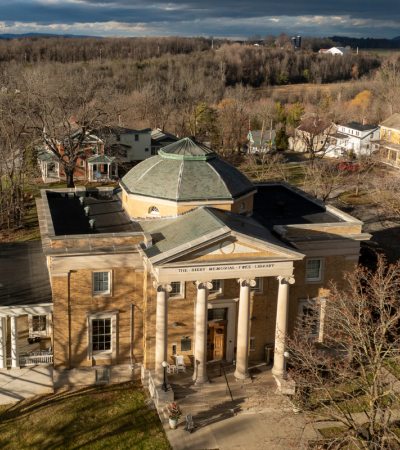
Through the most recent version of its “Libraries Transforming Communities” project, the ALA is providing grants to small and rural libraries aiming to become more accessible to patrons with disabilities. In a recent survey, we asked LTC grantees if they felt the work they were doing would continue to make a meaningful difference in the future of their libraries. Among the 96 libraries who responded to this question, the overwhelming majority said “yes.” On a scale of -1 (no difference) to +1 (significant difference), the mean value was 0.9, indicating an overwhelmingly affirmative response. In qualitative feedback, many shared examples of how the accessibility upgrades they made would benefit their communities “far into the future.” The following discussion highlights three key ways in which LTC libraries’ accessibility work is enhancing institutional and community sustainability.
Increasing Library Usage and Expanding Patron Bases
Perhaps the most direct way improvements in accessibility are setting LTC libraries up for long-term sustainability is by expanding their patron bases. After installing automatic doors, staff at one library remarked on how “the number of people coming to the library keeps climbing.” Another library reported similar results, sharing how “new patrons have begun accessing the library as a result of our projects.” In addition to “making life easier for everyone,” a library that installed an ADA compliant restroom found that this had “brought in more patrons.” A library that improved its bookdrop services reported “significant strides in increasing library use and returns,” and another that expanded its collection of large print books and audiobooks said they “expect to see a continued increase in the number of patrons that come to the library” on account of this improvement.
Integrating the Library into the Community
As more people make use of their facilities and services, libraries are enhancing feelings of social connectedness and belonging. Numerous grantees spoke to how their projects grew out of a desire to show the community that “we are serious about helping people.” Their efforts helped spread the message that “the library cares for the community.” After hearing from youth with disabilities who are struggling with food security, one library decided to install a refrigerator and pantry in an outdoor space. In the process of addressing an issue that was “a huge limiting factor for people,” the library “provided all users and donors with a greater sense of community.” After concluding their grant, another library said they had “received some municipal funding” to keep a program going—an act that demonstrated “strong community support.”
As a result of their projects, libraries also said that their eyes had been opened to “other places where improvements can be made” in the community. After realizing how difficult it is for people with disabilities to maneuver along pedestrian walkways, one said they had “spoken to several local groups about fixing our sidewalks and street crossings.” Another said their work had resulted in an “increased connection” with a local school, which realized how their disability inclusion efforts were giving educators “a free local resource to point to when working with families who may be struggling.”
Embedding Accessibility into Organizational Mindsets and Cultures
In addition to invigorating their communities, grantees agreed that their work helped embed accessibility in daily operations and institutional cultures. Many libraries spoke to how accessibility had “become a routine part of our decision making process,” describing how the deeper awareness they gained was prompting increased attention to the implications of their work for people with disabilities. One library said their project had “laid a foundation for lasting impact.” “It shifted mindsets and introduced practices that are now part of our planning and operations,” staff explained, adding that the things they learned through their work would “continue to influence how we design services, spaces, and programs.” At another library, staff said their grant had “acted as a catalyst” for developing new programs “specifically for these constituencies.” Highlighting how their work had “led to additional grant awards” and greater investments in fundraising, this library said they were “committed to continuing this momentum in the future.”
Conclusion
By investing in the design of more accessible spaces and services, LTC libraries are setting themselves and their communities up for long-term success. The improvements they are making are helping them expand their patron bases, uncover new sources of community support, and build new partnerships with donors and funders. As they become places where people “know they are welcomed and know they will get the services they need,” LTC libraries are also showing how accessibility work can “invigorate the community.” All of these things are essential to creating a more sustainable future.
About This Article
This article was written by Knology, and is part of a series of blog posts exploring how libraries are using LTC Access funds to better meet the needs of patrons with disabilities. For other posts in this series (including case studies of individual libraries), take a look at Knology’s landing page on the LTC Access project. And for more on how libraries can become more accessible to patrons with disabilities, see the collection of resources Knology assembled.
Does your library have a story to tell about its own accessibility work? Please reach out to us at programminglibrarian@ala.org to share your experiences!