Understanding Community Needs
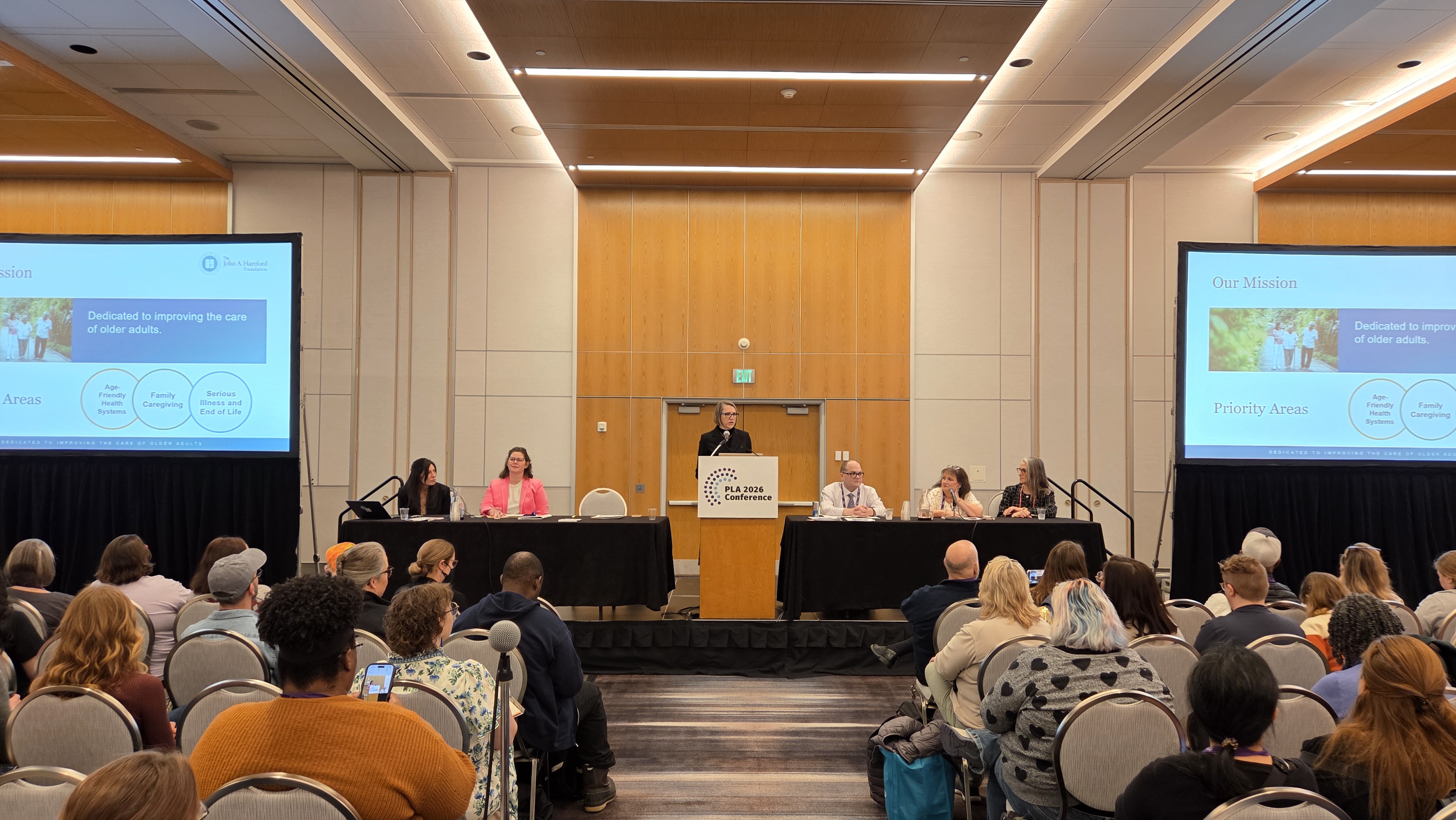
At the Denver (Colo.) Public Library, Amy DelPo, department manager of adult strategy & service design, said the library’s work is grounded in research around adult development and lifelong learning.
“We take a positive approach to older adulthood and view aging as a gift to be explored and enjoyed,” she explained. At the same time, the library recognizes the realities many older adults face, including grief, isolation, health changes and economic challenges.
That balance between optimism and practicality came up often throughout the panel discussion.
At Opelika Public Library in Alabama, library director Rosanna McGinnis said staff rely heavily on everyday conversations with patrons to understand emerging needs. “The more we listen and build relationships, the more responsive and meaningful our services become,” she said.
One trend libraries are seeing is the need for digital support. Older adults are navigating telehealth appointments, online forms, QR codes, email recovery, smartphones and video calls often while trying to maintain independence and stay connected to family and healthcare providers.
Witt Salley, teen services librarian at Quince Orchard Library in Maryland, noted that digital literacy support often requires libraries to rethink assumptions about technology skills across generations. “Device comfort differs from digital literacy,” he said, pointing out that both teens and older adults benefit from guided practice, patience, and clear explanations.
The panelists also stressed that older adults are not a monolithic group. Needs vary widely based on health, mobility, caregiving responsibilities, culture, language and personal interests. As McGinnis put it, “Older adults do not want programming that feels patronizing or overly simplistic. They want programs that reflect their individual interests and needs.”
Programming That Builds Connection
Many of the panelists felt most proud of the work that was not large-scale. Instead, they were the recurring, relationship-centered programs that were most successful.
Janie Hermann, adult programming manager at Princeton (N.J.) Public Library, reflected that programs with the greatest impact were “the steady, ongoing ones that built something over time.”
Those programs often shared several traits:
- predictable schedules
- low barriers to participation
- opportunities for conversation
- flexibility and accessibility
- intergenerational interaction
Hermann described an eight-week Chinese calligraphy course, a classic film series with tea and conversation beforehand, and a recurring program called The Power of Words, where participants listen to a short story together before discussing it as a group.
Participants frequently described the program as “a book group without the pressure,” Hermann said. Because there is no required preparation, the program feels accessible to people experiencing memory challenges, busy schedules or discomfort with traditional book clubs.
One especially meaningful initiative paired Princeton University students with older adults to discuss American history in the 1960s. Students gained firsthand perspectives from people who lived through the era, while older adults found purpose in sharing their stories and experiences.
At Quince Orchard Library, Salley highlighted the success found in a weekly mahjong program. What made it work was not complexity, but consistency. Participants could observe before joining and drop in without registration.
“The weekly rhythm supports social connection because regular participants notice absences, welcome newcomers and build continuity over time,” Salley explained.
Measuring Impact Beyond Attendance
At the Denver Public Library, DelPo said the library begins by clearly identifying goals. Those goals include fostering intrinsic worth, cultivating joy, providing opportunities for connection and growth and creating a culture that is “age positive and anti-ageist.”
Libraries then measure outcomes through surveys, focus groups, observations, participation trends and personal stories. DelPo noted that feedback methods do not always need to be formal. In some programs, participants write one word describing how they feel before and after the session to help staff understand the emotional impact.
For McGinnis, some of the strongest indicators of success are deeply personal moments. One standout program was Opelika’s “Death Binder” or “Next of Kin Book”, which helps participants organize important information such as passwords, legal documents, funeral preferences and medical wishes.
“Participants frequently tell us the program gives them a sense of control,” McGinnis said. Several shared that the program helped them finally have difficult conversations with family members.
That kind of feedback, she noted, reminds libraries that their role extends beyond information access. Libraries can also provide “dignity, empowerment and peace of mind.”
Looking Ahead
The panelists expressed excitement about growing collaboration among libraries, healthcare organizations, aging services agencies and community groups.
McGinnis described libraries as connectors and conveners. They are trusted places where patrons feel comfortable asking questions and finding support. Strong partnerships help libraries connect patrons with broader systems of care and expertise.
Salley also emphasized the promise of intergenerational programming. Programs that intentionally create reciprocity between age groups can strengthen communities while helping patrons see aging as a shared human experience rather than a separate category of service.
“The teen who feels welcomed now may return later as a college student, a parent, a caregiver or an older adult seeking connection after a major life change,” he said.
Underlying all of this work is organizational culture. Both Hermann and McGinnis stressed that staff training and mindset matter just as much as the programs themselves. That includes understanding ageism, practicing flexible communication, supporting patrons with cognitive or memory challenges and designing services around inclusion rather than accommodation.
“When staff approach interactions with curiosity and respect rather than assumptions,” McGinnis said, “patrons feel welcomed and empowered.”
Tips for Libraries Getting Started
For libraries beginning or expanding work with older adults, the panelists offered several practical recommendations:
- Start by listening rather than assuming what patrons need.
- Focus on one recurring, reliable program before building a large calendar.
- Design for accessibility, flexibility and low-pressure participation.
- Prioritize relationship-building over attendance numbers alone.
- Create opportunities for older adults to contribute, lead and share expertise.
- Build partnerships with community organizations and aging-services providers.
- Train staff to recognize and challenge ageism.
- Remember that consistency often matters more than scale.
The panelists encouraged libraries to think beyond programming “for” older adults and instead focus on building communities with them.
The strongest programs for older adults are not simply activities on a calendar. They are spaces where people feel seen, valued, connected and eager to return to the library.