
Create Displays
- Create a voter information hub in your library and publicize its availability to the community. Include information from local election agencies and nonpartisan organizations, and post key dates such as voter registration deadlines, primary elections, early voting, and general election.
- Designate a kiosk or computer station where voters can confirm that they are registered to vote. Position near the voter information hub, if possible.
- Create a voting timeline that includes major milestones in U.S. voting history, such as the drafting of the Constitution, ratification of the 19th Amendment, passage of the Voting Rights Act, and the change in voting age.
- Build a display of books by candidates or books about voting, our democratic system, or major issues in the election.
Host In-Person or Virtual Events
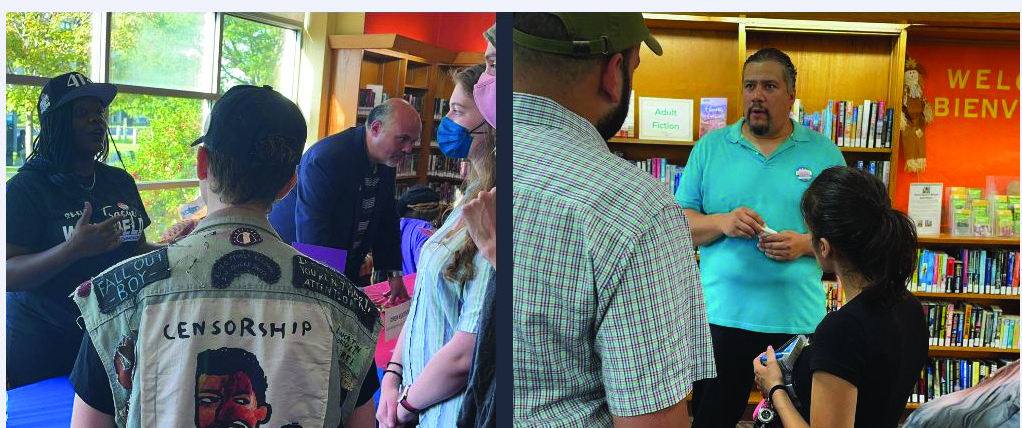
- If your state and local laws allow, host voter registration at the library. In schools, offer voter registration during open houses or parent teacher conferences.
- Host a candidate forum. Invite all candidates on the ballot and select a nonpartisan facilitator.
- Host a voter ID clinic.
- Offer a workshop on how to evaluate news sources and identify mis- and disinformation.
- Host a debate or forum about a local or national issue and include speakers on all sides of the issue.
- Invite a local expert to give a talk on voting, elections, or local issues. Include a question-and-answer session.
- Host an event for community members or students to watch a campaign debate. Follow with a facilitated discussion.
- Plan a movie night featuring a film about U.S. politics and invite a local expert to moderate a discussion.
- Sponsor a mock election for youth who are not yet eligible to vote. In school settings, partner with a social studies teacher and precede the vote with a debate.
- Live stream events so that they are accessible to an even wider audience.
- Make sure that voting information is visible and available during other library events.
Spread the word
- Educate library staff and volunteers about issues that will impact libraries and encourage them to ask questions of candidates about those issues.
- Have one of your library champions (director, trustee, volunteer) write a letter to the editor about the resources the library offers, and how important libraries are to an informed and engaged electorate.
- Create a bookmark or postcard that includes key dates and highlights the library’s election-related programs and resources. See ala.org/ReaderVoterReady for customizable graphics.
- Work with local or student news outlets to publicize events and resources.
Partner with Other Organizations
Many opportunities exist to collaborate with national and local organizations to register voters, educate the community about issues and candidates, host events, and share information. Reach out to nonpartisan groups such as the League of Women Voters, Rotary, Chamber of Commerce, student government, Parent Teacher Association, and others. Some have national websites that offer resources and can connect you with local affiliates.
Download the full Reader Voter Ready Guide
Upcoming events to bookmark:
Free webinar: Teaming with Solutions: League of Women Voters and Library Collaborations to Empower Voters and Protect Democracy (July 15, 2026, at 2:00 PM CST)
Join the American Library Association and the League of Women Voters to hear about what’s at stake in the 2026 midterm elections, and how libraries and Leagues can partner to help voters make their voices heard. You’ll hear from leaders at the national and local levels talk about the work, and receive updated resources to support your efforts.
- Sign up to participate in National Voter Registration Day by September 15, 2026
Election Collaboration Toolkit
Designed in collaboration with the League of Women Voters, this toolkit provides resources and tips for building on-the-ground collaboration with community organizations like local LWV chapters.
For more, visit ala.org/ReaderVoterReady.