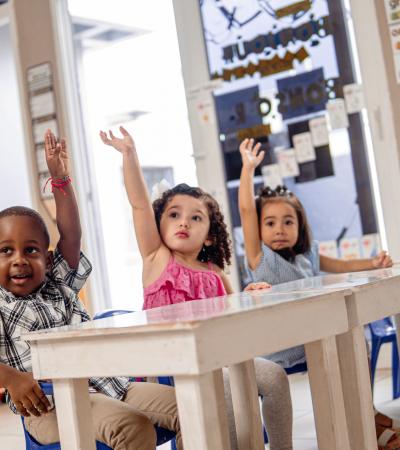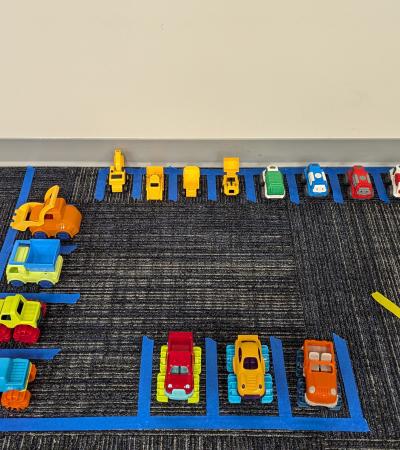
Tiny Hands, Big Discoveries is an interactive art and craft program for toddlers ages 18 months to 3 years and their caregivers. Through hands-on activities such as finger painting, collages, and sensory crafts, children explore creativity while developing fine motor skills, language, and early literacy concepts. The program also provides a fun opportunity for caregivers to participate and support their child's learning and development.
Advanced Planning
The goal of Tiny Hands, Big Discoveries was to provide toddlers ages 18 months to 3 years with a fun, hands-on learning experience that promotes creativity, exploration, and early childhood development. Through age-appropriate art and sensory activities, the program aims to strengthen fine motor skills, encourage self-expression, and build confidence in a supportive environment.
A secondary goal was to support early literacy and language development by introducing new vocabulary, colors, shapes, patterns, and storytelling elements through the creative process. The program also encourages meaningful interaction between children and their caregivers, fostering family engagement and strengthening the bond between parent and child through shared learning experiences.
Marketing
The event was promoted through the library's event calendar, social media platforms, flyers displayed throughout the library, and direct outreach to families who regularly attend early childhood programs. Promotion began several weeks before the event and continued through reminder posts and announcements leading up to the program date.
The marketing efforts were successful, as the program attracted a strong number of participants and generated positive engagement from families. Many caregivers expressed enthusiasm about the program, and several participants indicated interest in attending future sessions, demonstrating that the promotional strategies effectively reached the target audience.
Budgeting
There was no cost associated with this program. All materials used for the art and craft activities were either already available through the library's programming supplies or obtained at no additional expense. As a result, the program was able to provide a high-quality experience for participants while remaining budget-friendly.
If future cost-cutting measures were needed, supplies could continue to be purchased in bulk, donated materials could be incorporated into crafts when appropriate, and reusable items could be utilized whenever possible. These strategies would help maintain the quality of the program while minimizing expenses.
Day-of-event Activity
On the day of the event, the space was set up with child-sized tables and chairs, and all art and sensory materials were arranged in accessible stations for toddlers and caregivers. Supplies such as paint, paper, stamps, wipes, and protective coverings were prepared in advance to ensure a safe and organized environment. Signage and activity instructions were also displayed to guide participants through the different craft stations.
One to two staff members were needed for the program. Staff arrived early for setup, remained present throughout the session to facilitate activities, assist families, and maintain safety, and stayed afterward to help with cleanup and resetting the space.
No major unexpected challenges occurred during the event. Minor issues, such as occasional spills or toddlers needing additional assistance with materials, were easily managed with staff support and caregiver participation, allowing the program to run smoothly.
Program Execution
The program ran smoothly and followed the planned structure of guided, hands-on art and sensory activities. Toddlers and their caregivers rotated through different stations, including finger painting, collage making, and stamping, with staff providing gentle guidance and support throughout the session. The atmosphere was engaging, interactive, and developmentally appropriate, allowing children to explore materials freely while caregivers participated alongside them.
A total of 15 participants attended, including toddlers and their caregivers, resulting in strong family engagement and active participation throughout the program. Feedback from caregivers was very positive, with many expressing appreciation for the opportunity to bond with their children while supporting early learning and creativity. Several participants noted that they enjoyed the simplicity of the activities and the welcoming, supportive environment.
Overall, the program successfully achieved its goals of promoting early literacy, fine motor development, creativity, and caregiver-child bonding. The high level of engagement and positive feedback demonstrated that the program effectively met the developmental and educational needs of the target age group.
Advice
For peers interested in running a similar program, strong preparation and flexibility are key. Designing activities that are truly age-appropriate for toddlers, simple, sensory-based, and process-focused rather than product-focused, helps ensure that children remain engaged without becoming overwhelmed. It is also important to plan for caregiver participation, since the success of the program depends heavily on adults actively supporting and interacting with their children.
Clear organization of materials and space makes a significant difference in how smoothly the program runs. Setting up stations in advance, using easy-to-clean supplies, and having backup materials ready can prevent disruptions and allow staff to focus on facilitating the experience rather than managing logistics. Having at least one or two staff members available during the program is also essential for maintaining safety and supporting families as needed.
Finally, creating a welcoming and flexible environment is essential. Toddlers may not follow structured instructions perfectly, so allowing room for exploration, messiness, and creativity is important. When caregivers feel comfortable and children are free to explore at their own pace, the program naturally becomes a meaningful and successful learning experience for everyone involved.
Supporting Materials
Slideshow Images


More Programs
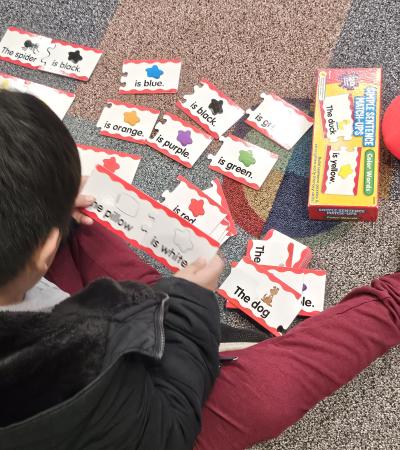
Early Explorers Playdate
Audiences: