As the library's public relations coordinator, I worked alongside our children's librarian to bring the program to the community through flyers, posters, graphics, social media, and other promotional efforts. What caught my attention was not only the creativity of the activities but also how much could be accomplished without an expensive programming budget.
I felt the program was worth sharing because libraries everywhere are being asked to do more with less. A smaller budget does not have to mean sacrificing the quality or excitement of children's programming.
The Curious Kids Club was built on a simple premise: STEAM programming need not be expensive to be memorable. Using recycled materials, everyday household supplies, community partnerships, and a healthy dose of creativity, we created experiences that encouraged children to experiment, build, investigate, collaborate, and, most importantly, ask questions.
Start With the Books
Literacy remained at the heart of the program. Rather than treating STEAM activities separately from the reading program, our children's librarian used books and stories as the launch point for each week's exploration. Our six-week schedule progressed from structural engineering and chemistry to zoology, history, public health, and paleontology. Each week featured a theme, a story or concept, and a series of hands-on challenges. The result was a Summer Reading Program that felt less like a series of craft projects and more like an ongoing adventure.
Week 1: Dr. Seuss Meets Structural Engineering
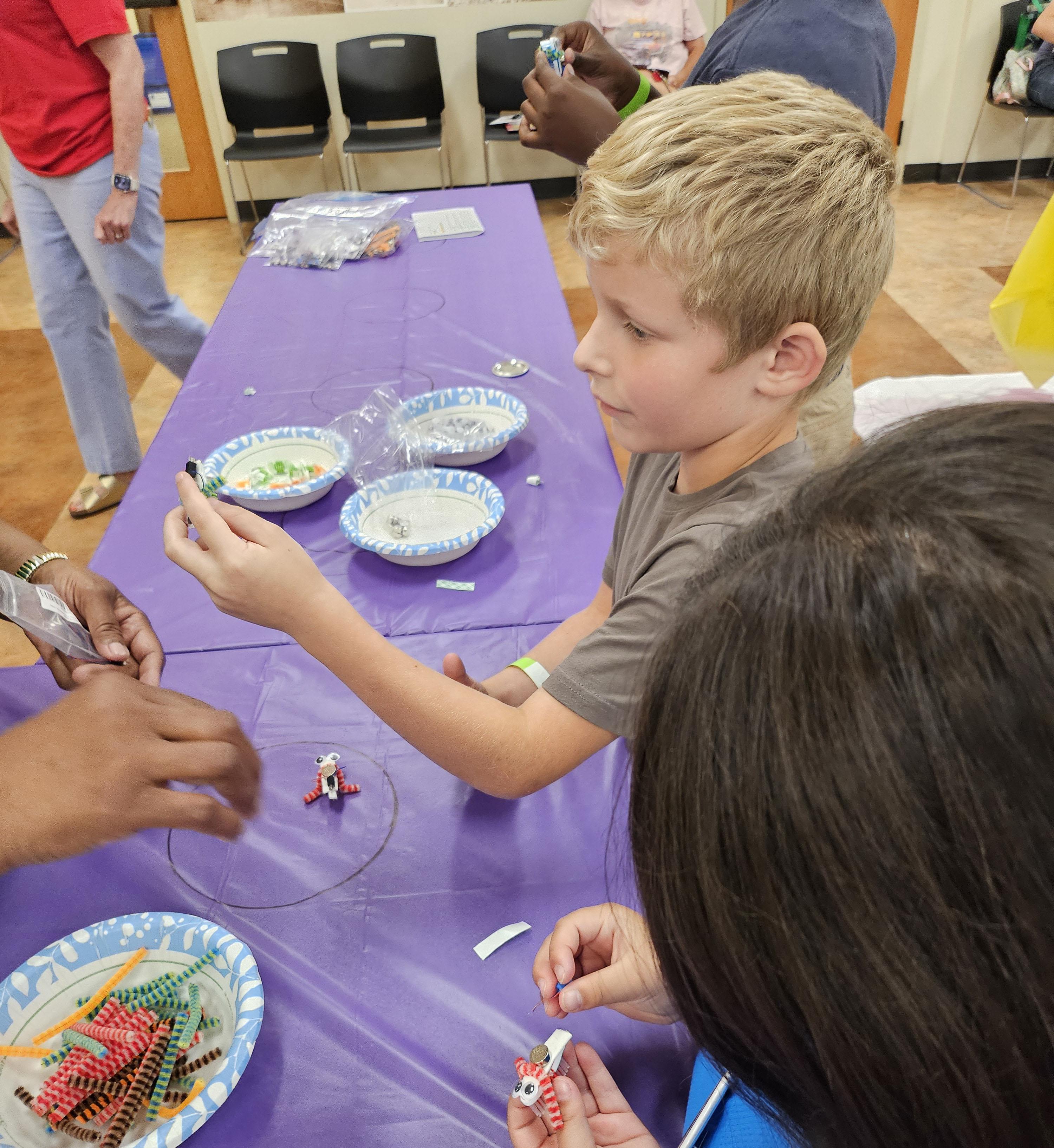
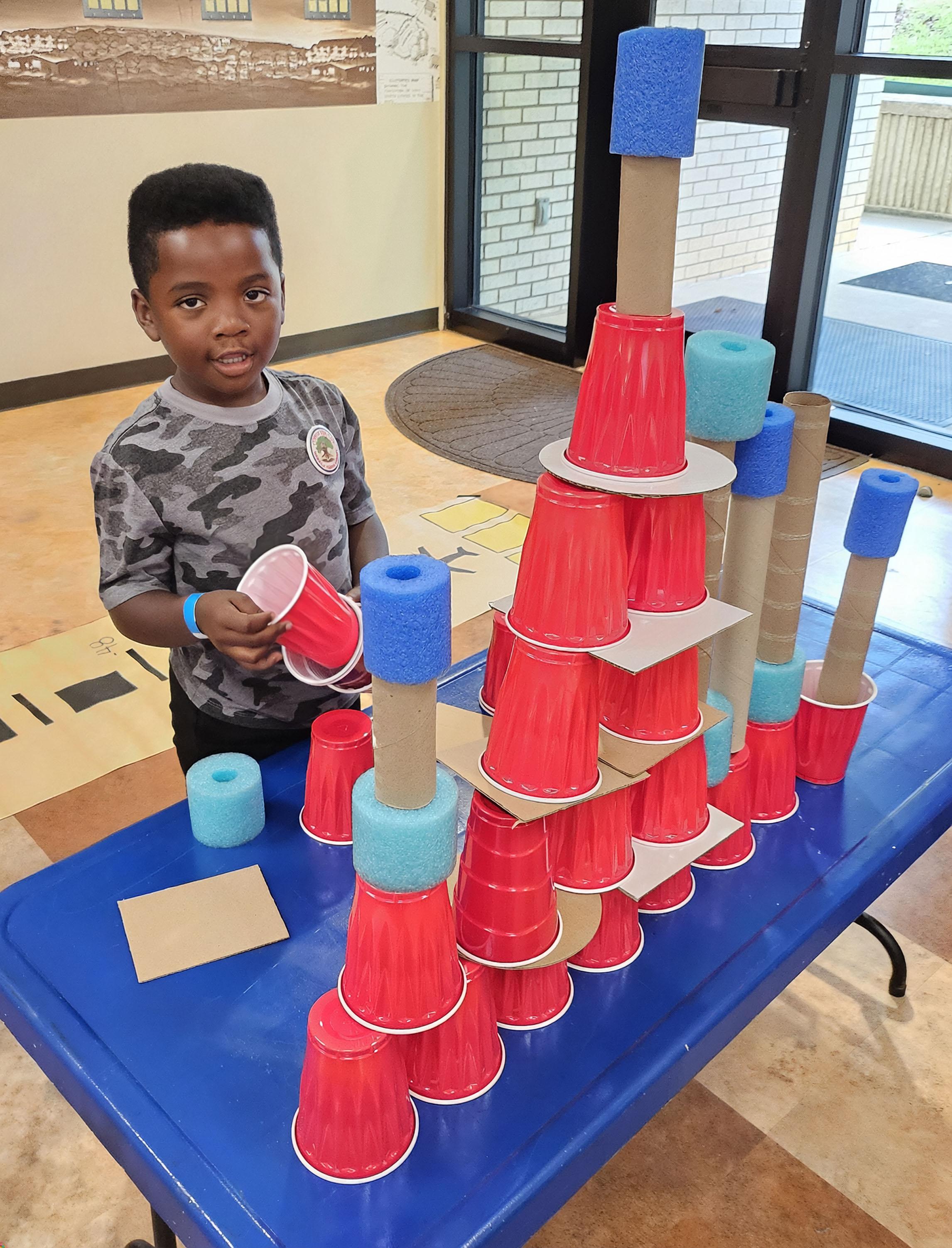
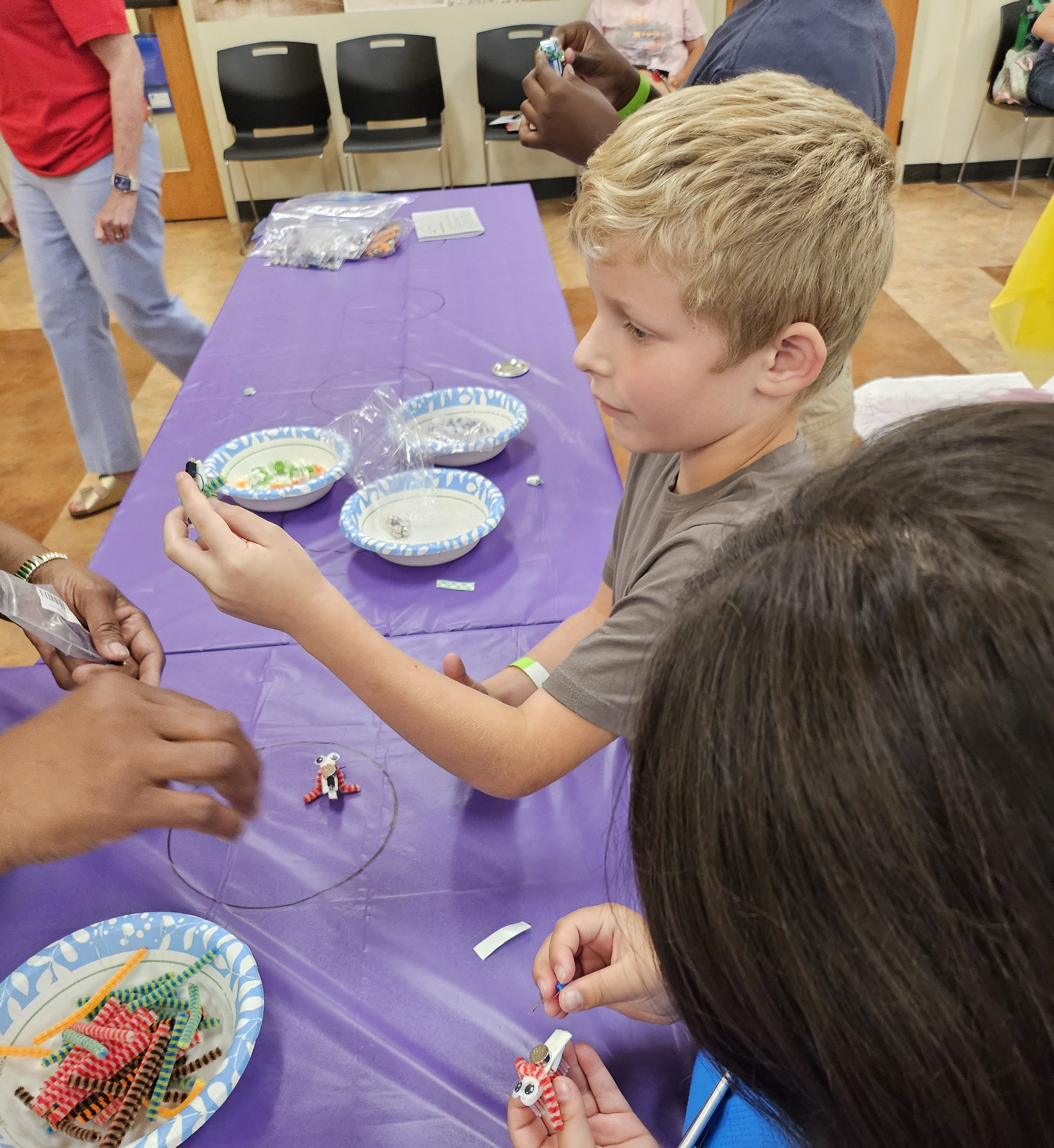
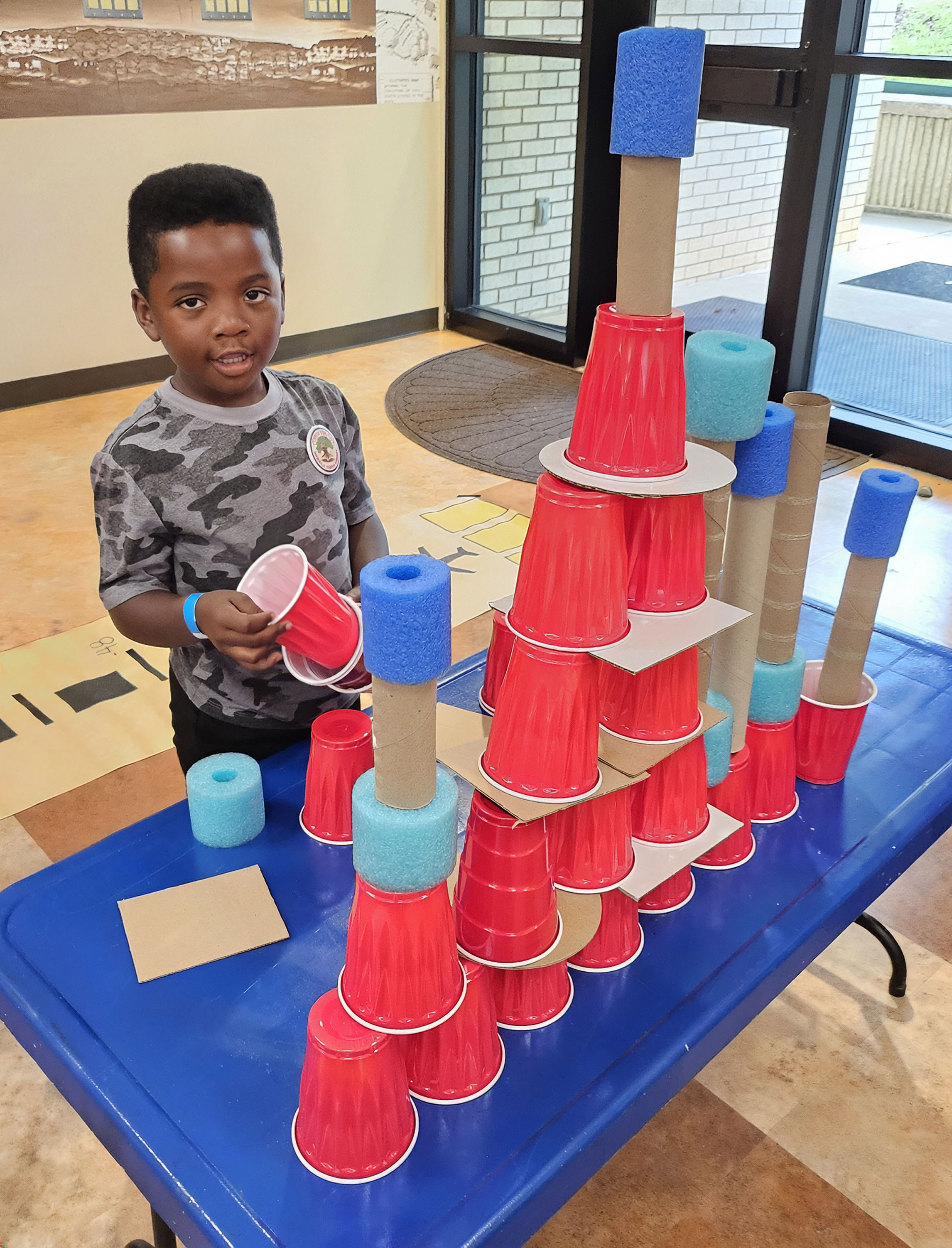
We kicked off with The Cat in the Hat by Dr. Seuss and invited children to become engineers. They built brush bots to explore how batteries and simple motors work, then tackled a “wobbly tower” challenge. Working in teams, they designed and built towers from inexpensive materials and tested how well their structures could withstand pressure. We followed the engineering challenges with Oobleck, the famously strange non-Newtonian fluid made from cornstarch and water. Children and their parents could squish, punch, and pour it, and investigate what happened when force was applied. It was messy, inexpensive, and guaranteed to generate questions.
The budget lesson: Look around the kitchen before buying a science kit. Some of the best science experiments are already in the pantry.
Week 2: After the Fall and the Ultimate Egg Drop
In our second week, we explored resilience and physics through the book After the Fall (How Humpty Dumpty Got Back Up Again) by Dan Santat and the classic Egg Drop Challenge. Children worked in teams to design protective containers for raw eggs using inexpensive and recycled materials. They planned, debated, built, tested, and refined their designs. After the drops, we gathered to discuss the results. Which designs worked? Which materials failed? What would they change next time? The activity turned a simple egg into an engineering problem and a broken egg into a learning opportunity.
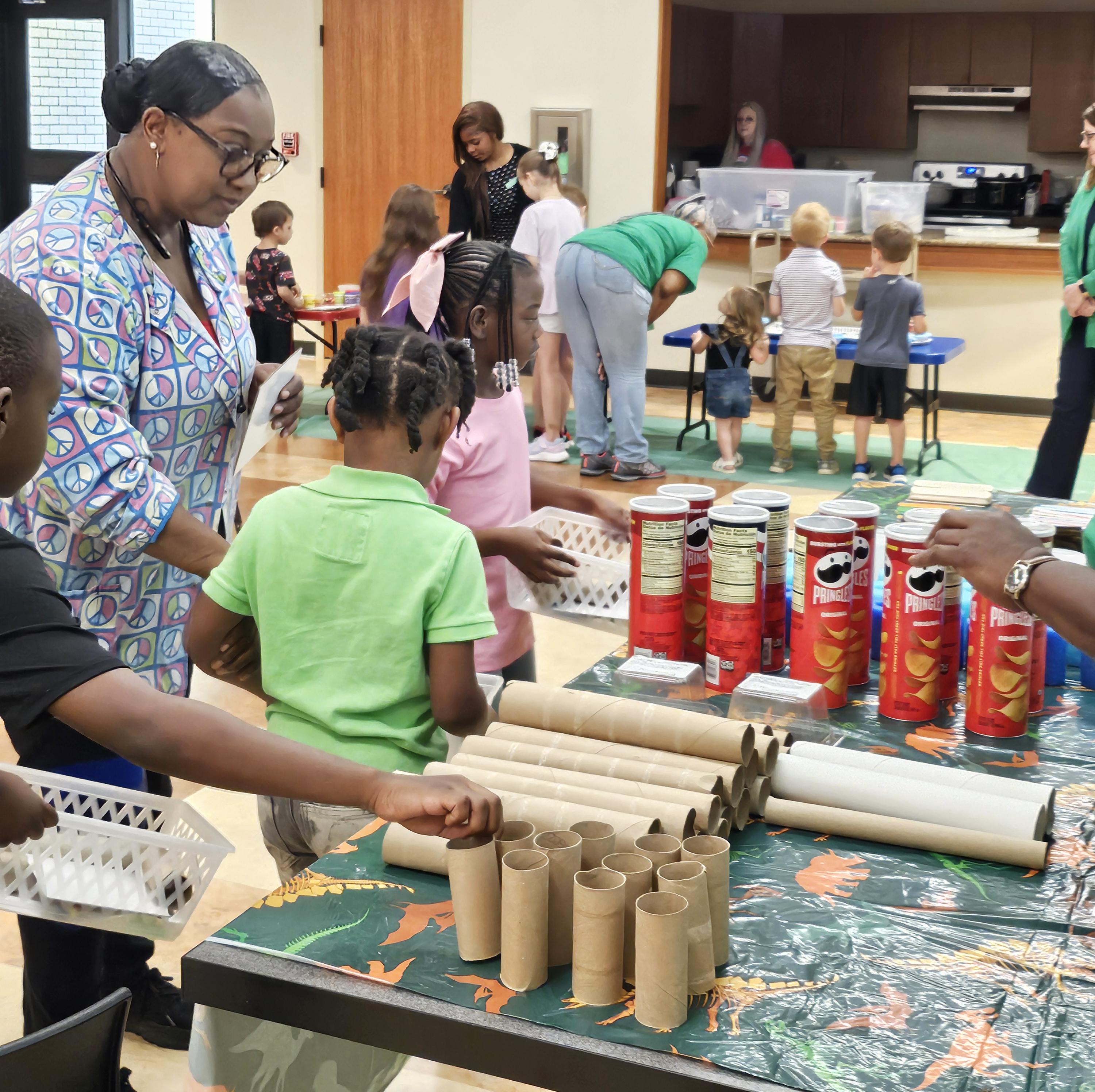
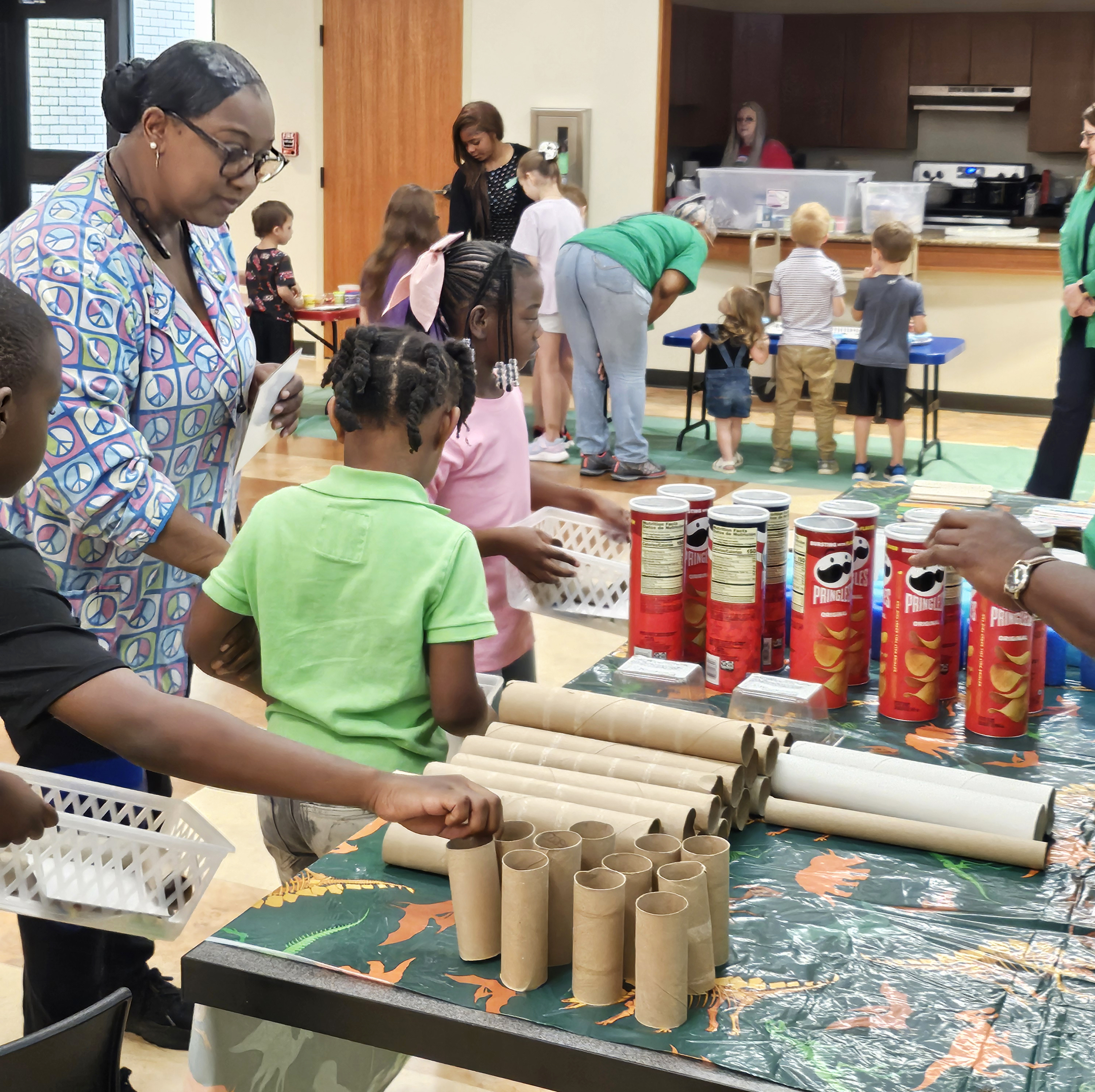
The budget lesson: Recycled materials can serve as engineering supplies. Ask families and community members to donate clean cardboard tubes, boxes, packing materials, newspapers, paper towels, and other reusable materials.
Week 3: From Fear to Fascination
Not every STEAM lesson requires children to build something. Sometimes the most powerful learning comes from changing how children see the natural world. Our third week focused on zoology and the often-misunderstood world of snakes. We partnered with a local rescue and wildlife education organization for an interactive program featuring live reptiles. Children and adults had the opportunity to see the animals up close while learning about their behavior, habitats, and ecological importance. For some children, something that might have caused a little fear became something they wanted to learn more about. The experience transformed fear into curiosity.
The budget lesson: Look for experts in your community. Local educators, extension offices, wildlife organizations, museums, universities, nature groups, and hobbyists may already offer programs for public outreach.
Week 4: History Gets Hands-On
As the nation's 250th birthday approached, we turned our attention to Colonial America. Children explored what life was like for young people during the colonial period, blending history, art, and science. They made writing ink from fresh blueberries and practiced colonial-style writing with turkey feathers. Traditional games, crafts, and treats enriched the experience. The activities demonstrated an important principle of STEAM programming: subjects need not stay in separate boxes. History can involve chemistry. Art can involve engineering. Literature can lead to scientific investigation.
The budget lesson: Let your theme do the heavy lifting. A historical or literary theme can offer dozens of inexpensive activity ideas without needing specialized supplies.
Week 5: Enter the Germ Cave
Our fifth week took a decidedly “yuckier” turn. In partnership with our local Farm and Agricultural Extension Office, we explored germs, food safety, handwashing, and sanitation. The centerpiece was a darkened “germ cave” that used glowing tracking gel to show how easily contamination spreads, and how difficult it can be to clean every surface thoroughly. Children loved the gross-out factor, and parents appreciated the practical information. This was STEAM programming with an immediate real-world application. Children could take what they learned in the library home with them.
The budget lesson: Community partnerships can provide both expertise and equipment that a small library would otherwise struggle to afford.
Week 6: Digging into Paleontology
In our final week, children designed dinosaur skeletons from recycled materials, including pool noodles, cardboard boxes, tubes, and masking tape. They experimented with shapes, structures, and scale as they created their own prehistoric creatures. Next came a frozen dinosaur rescue. Toy dinosaurs were frozen inside ice “eggs,” and children tested salt and water to determine the most efficient way to free their dinosaurs. Finally, junior paleontologists searched for fossils with tweezers and paintbrushes, developing fine-motor skills while learning about excavation.
The budget lesson: When children are given ordinary materials and an interesting problem, they supply the imagination.
The Grand Finale
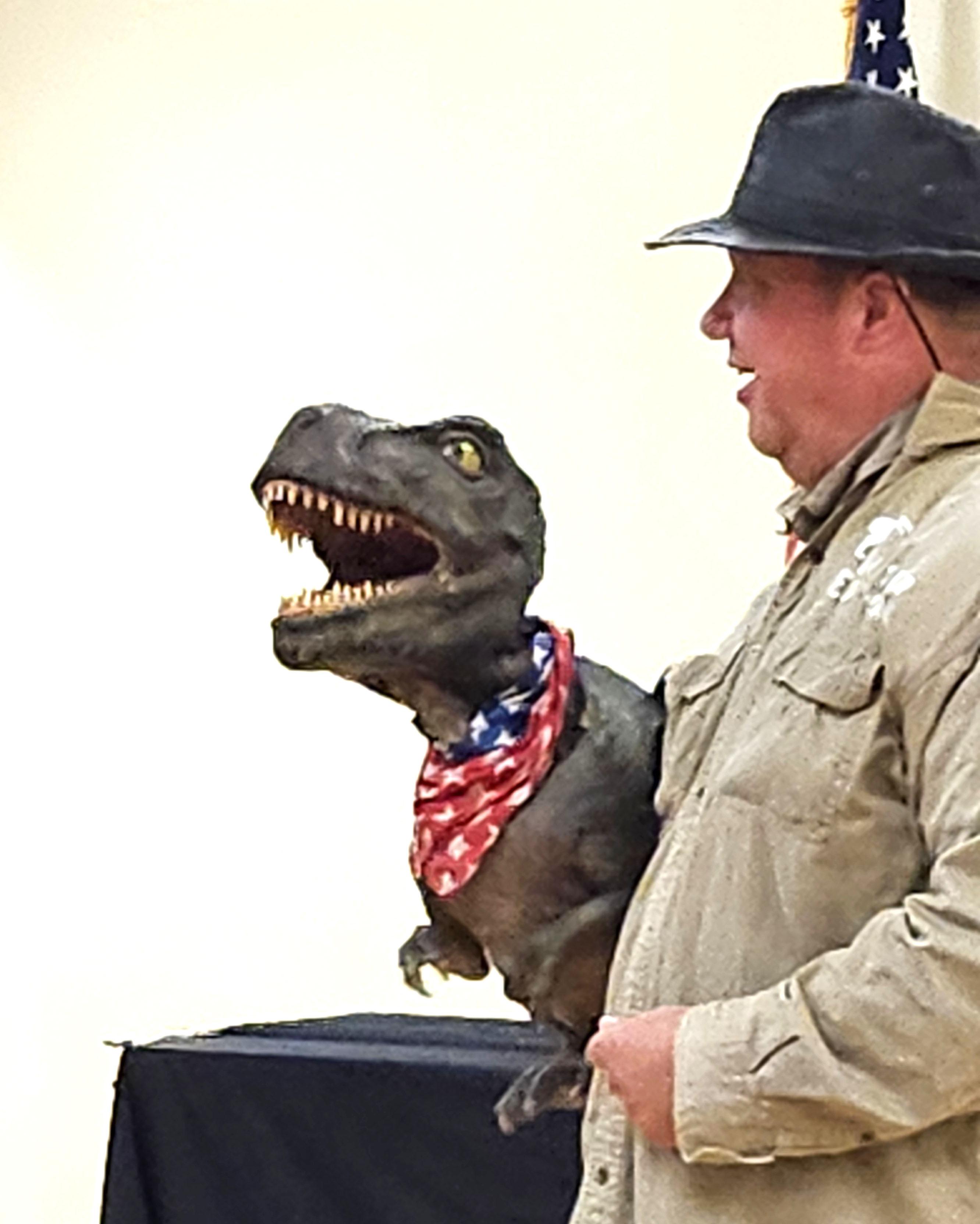
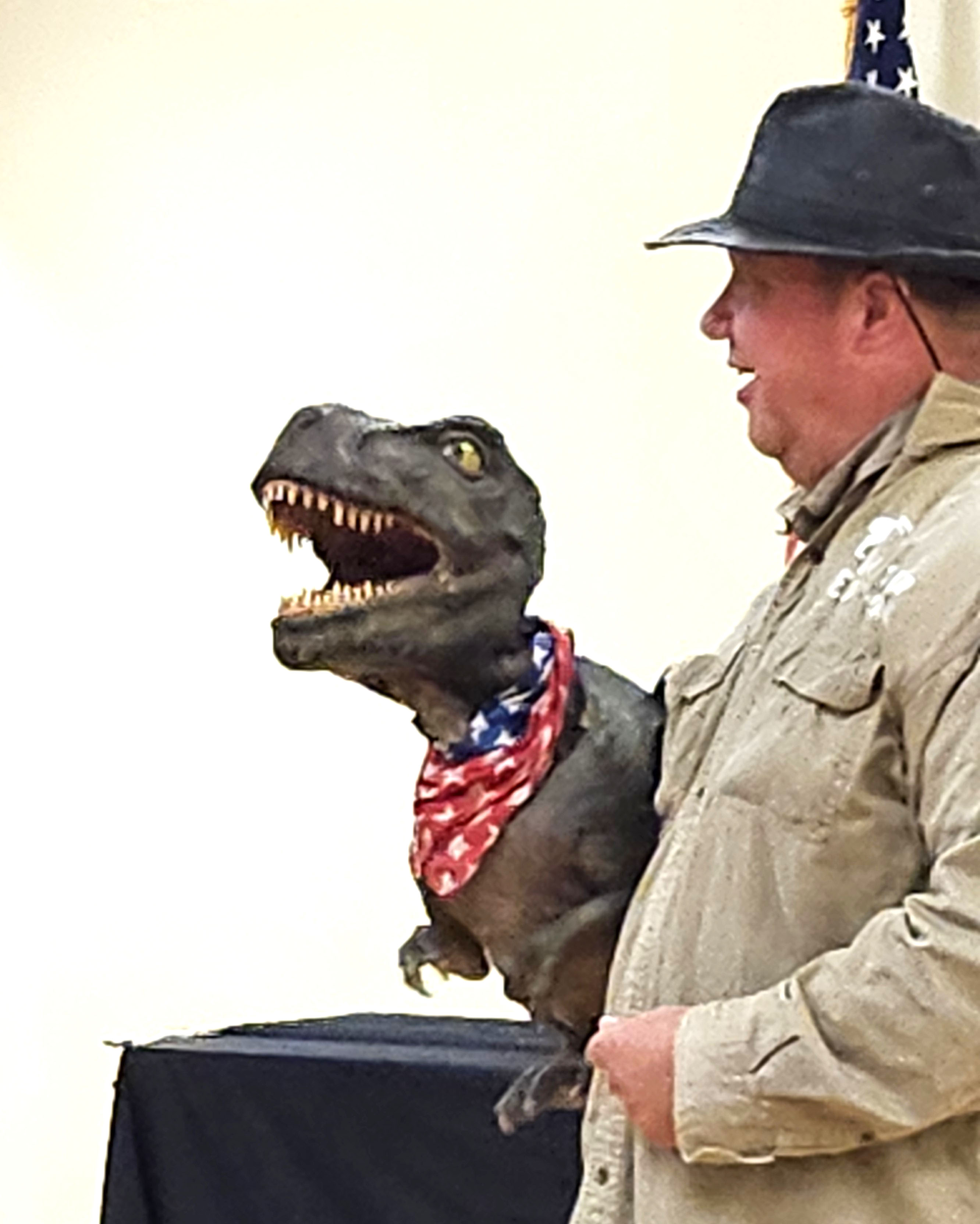
We ended the six-week Curious Kids Club with The Dinosaur Experience, featuring Ranger Martin Wilmott. The interactive program brought lifelike walking dinosaur puppets, handheld dinosaurs, fossils, and plenty of prehistoric excitement to each library branch. It was an ideal ending because the children were no longer simply watching a dinosaur show. They had spent six weeks learning about science, engineering, history, experimentation, and discovery. The finale connected everything they had been doing and sent them home with one final message: Learning can be an adventure!