Know Your People: How The Gail Borden Public Library District Turns Exhibits into Community Unity

On a rainy Tuesday morning, the large parking lot at the main branch of the Gail Borden Public Library District in Elgin, Illinois, is nearly full. Inside, patrons read and study in quiet corners, sip coffee from the café, and browse the stacks while toddlers play in the popular KidSpace. Among these familiar library scenes, though, there’s something a little different. Because at this library, you’ll hear and see dinosaurs.

Animatronic dinosaurs, that is. Twenty moving, roaring dinos of all sizes are spread across the library’s two floors, drawing nearly 2,000 visitors a day. In its 20th year of hosting exhibitions, Dinosaur Explorer marks Gail Borden’s 49th exhibit.

Exhibits are a hallmark of this library and something it does exceptionally well. They cover topics from history and space to cooking and fashion. Some displays are small, while others are monumental, like the inaugural 2005 exhibit that featured a 33-foot dinosaur cast towering in the library’s main rotunda.

Why are exhibits essential to the Gail Borden Public Library? Staff say they’re not only a way to bring people through the doors but also a way to unite and celebrate the community itself.

Programming Librarian spoke with four Gail Borden staff members who have years of experience curating, promoting and sustaining the success of these exhibits, which have made the library a top place to visit in Elgin. What they shared with us speaks not only to the success of library exhibitions but to the deeper importance of understanding your community, your staff and the supporters who make the library thrive.

Know your community
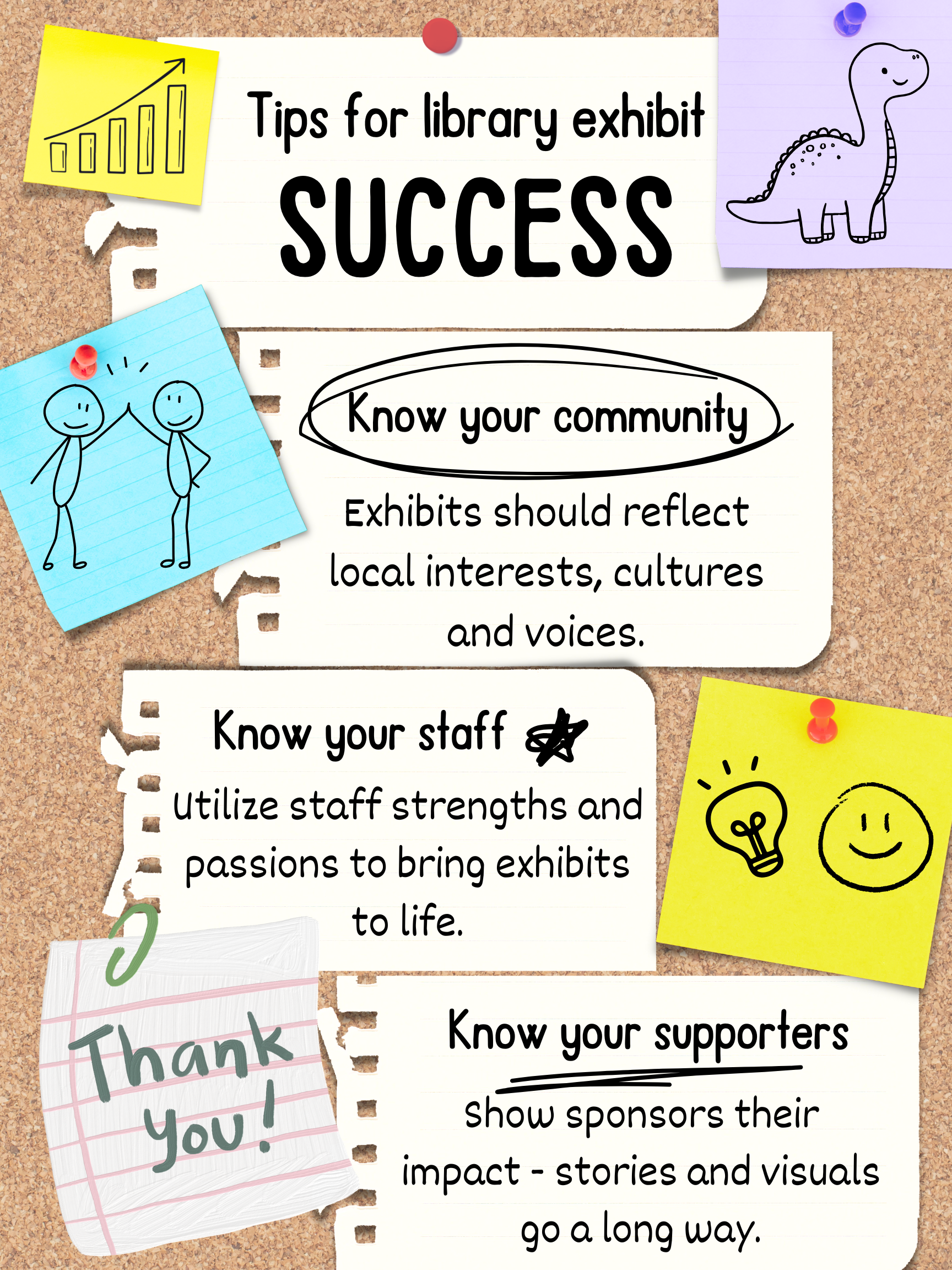
Every library is different, but these tips are good starting points for exhibit success.

Knowledge of the community is essential to libraries, so much so that it’s one of the nine programming competencies identified by ALA’s National Impact of Library Public Programs Assessment (NILPPA). At Gail Borden, staff agree that being deeply embedded in the Elgin community has been key to the success of its exhibits.

Risk-taking

Like many aspects of library work, exhibit planning carries a degree of risk, especially with large-scale programs or costly installations. Staff advise weighing potential benefits against potential risks.

Gail Borden staff made a strategic decision to go all-in on their first exhibition in 2005; in terms of both price tag and staff commitment, it was a big investment that was essential for community buy-in. After its success, trust was built with the community, making it easier to consider the risks and return on investment for future exhibitions.

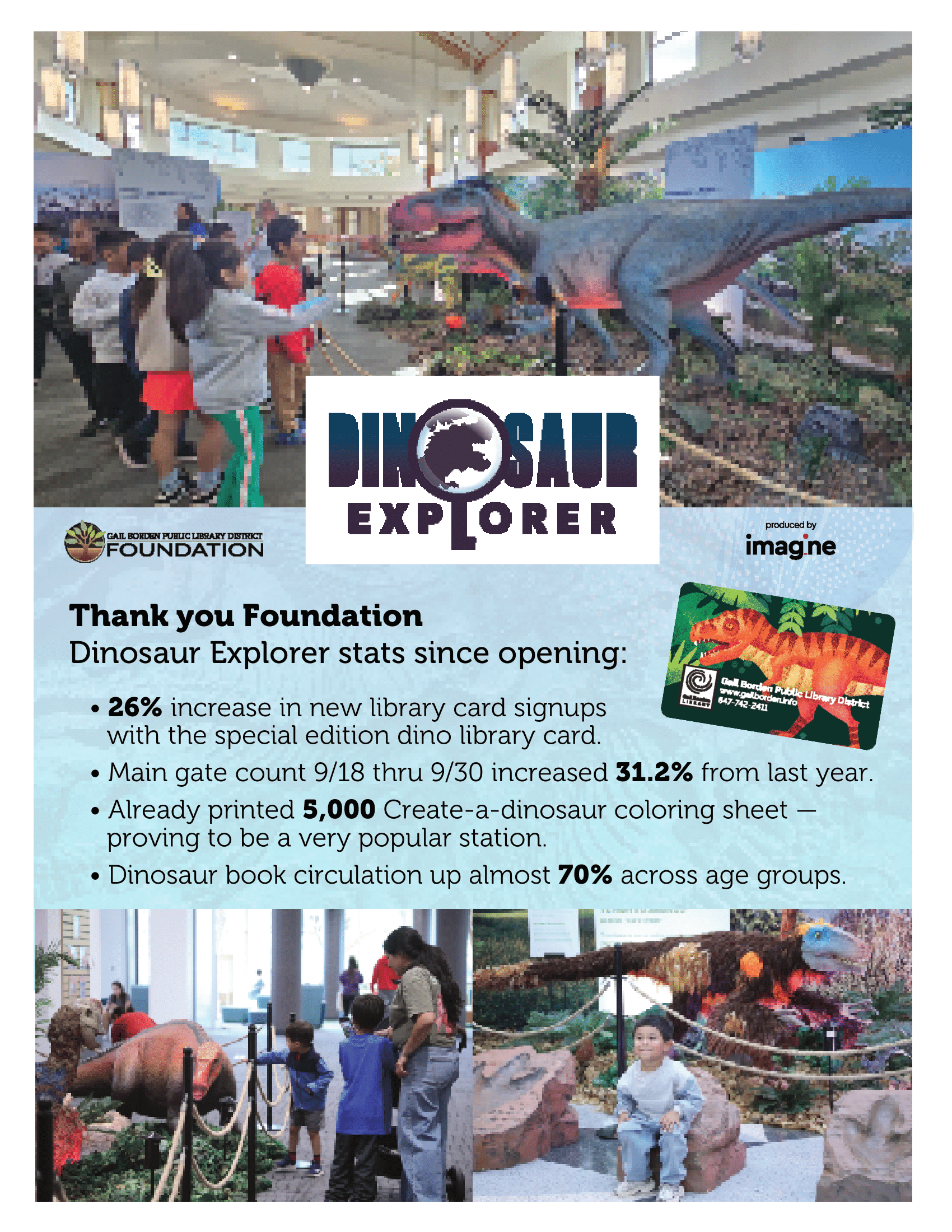
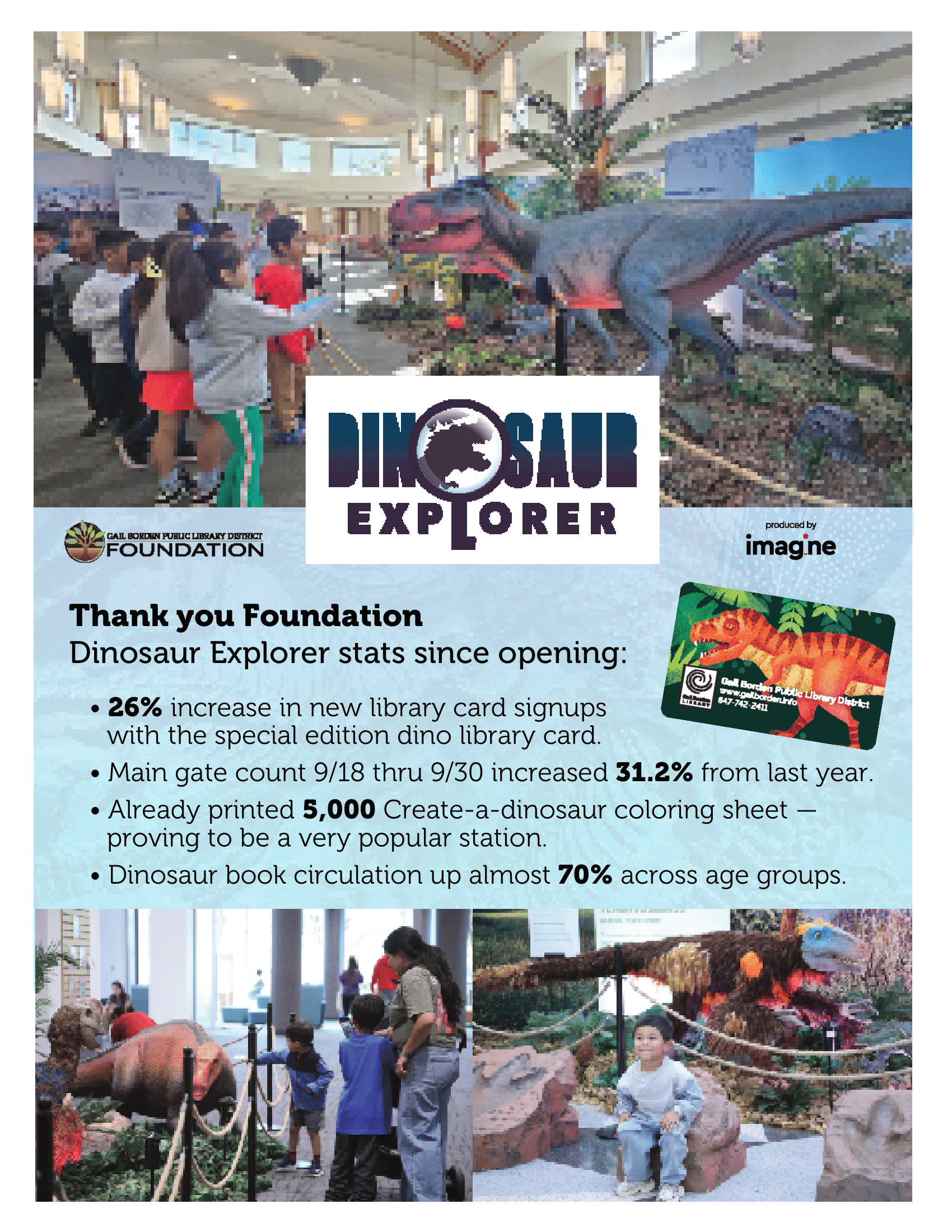
“Our community believes in us,” says Denise Raleigh, director of development. “From the exhibits, we get more library cards and more usage. All of that is our story of return on investment.” Since opening in September 2025, Dinosaur Explorer has sparked a 26% increase in attendance, with dinosaur book circulation up almost 70%.

Situated 40 miles west of Chicago, Elgin is far enough from the city’s major cultural sites that visiting museums isn’t easy for many residents. Around 10.8% of the population lives below the poverty line. That’s why Gail Borden’s exhibits are more than a fun family outing—they’re a chance to experience something they might not otherwise have access to.

“A lot of people here don’t have the time to get to Chicago or don't have the money for The Field Museum or Museum of Science and Industry,” says Carole Medal, chief executive officer. “We provide something right in their own backyard that’s free of charge.”

Personalized to the community

The community also plays a role in shaping exhibits and adding local touches. In early 2025, for example, the library’s Barbie exhibit came to life in collaboration with a local collector, while the current dinosaur exhibit includes library-generated Spanish translations to better serve Elgin’s large Spanish-speaking population.

Staff emphasize the importance of collecting and paying attention to visitor data. Track what works, whether it’s program attendance, circulation or exhibit visits, and keep building on those successes.

“When the community likes something, keep doing it. Even if it feels repetitive,” says Natalie Kiburg, division chief of public relations and development, referring to a popular interactive green screen on the library’s main floor. “We had nearly 14,000 photos taken on our green screen for the Discover Space exhibit in 2017, and we just never got rid of it because people love it and still use it.”

Each exhibit builds momentum for the next and creates a cycle of curiosity, engagement and pride in the community.

“We don’t give out food, but we teach you to fish,” says Raleigh. “Librarians help people live their lives. They inspire people to get involved and stay connected. When an exhibit ends, we don’t return to where we were before. We keep building, aiming higher each time.”
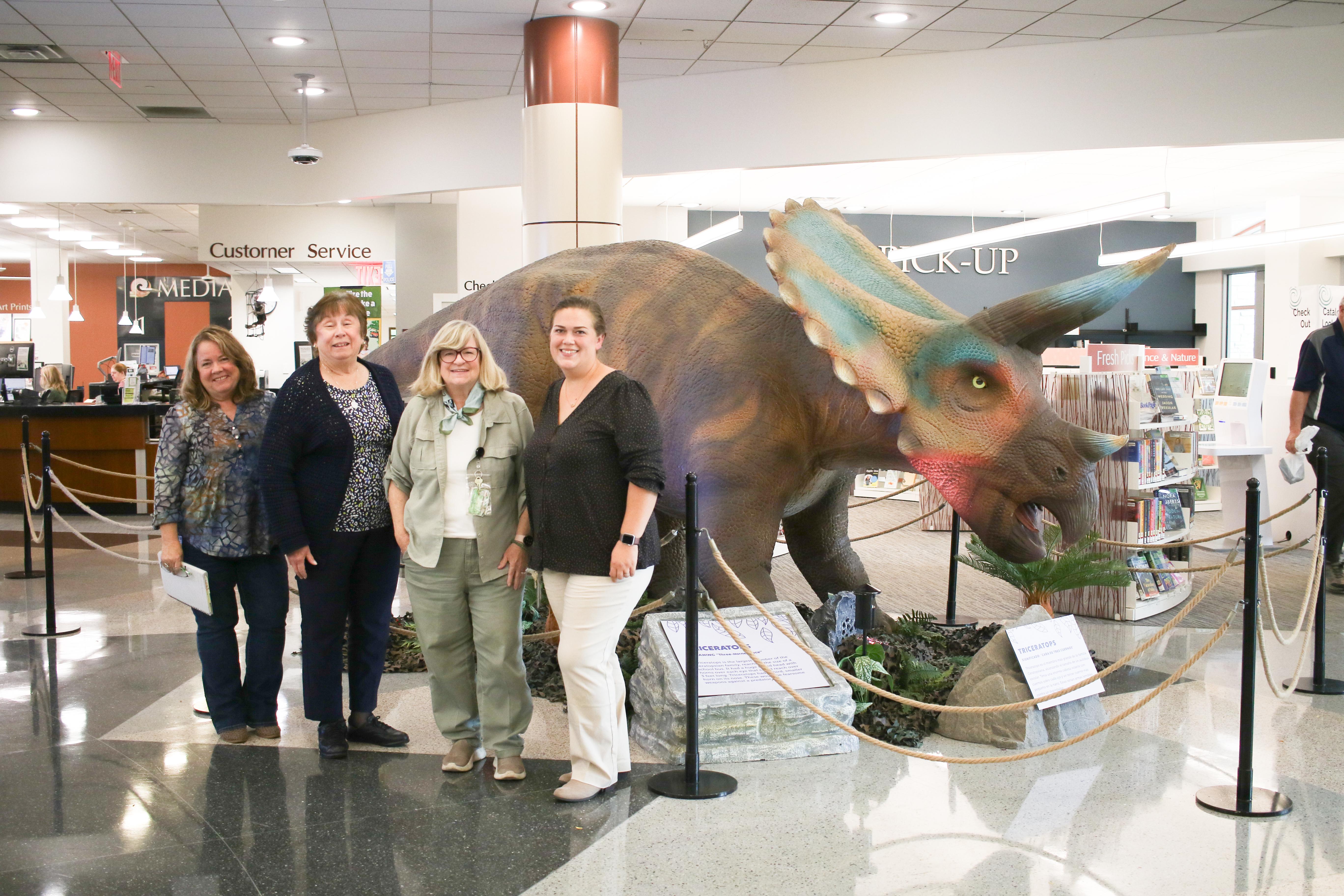
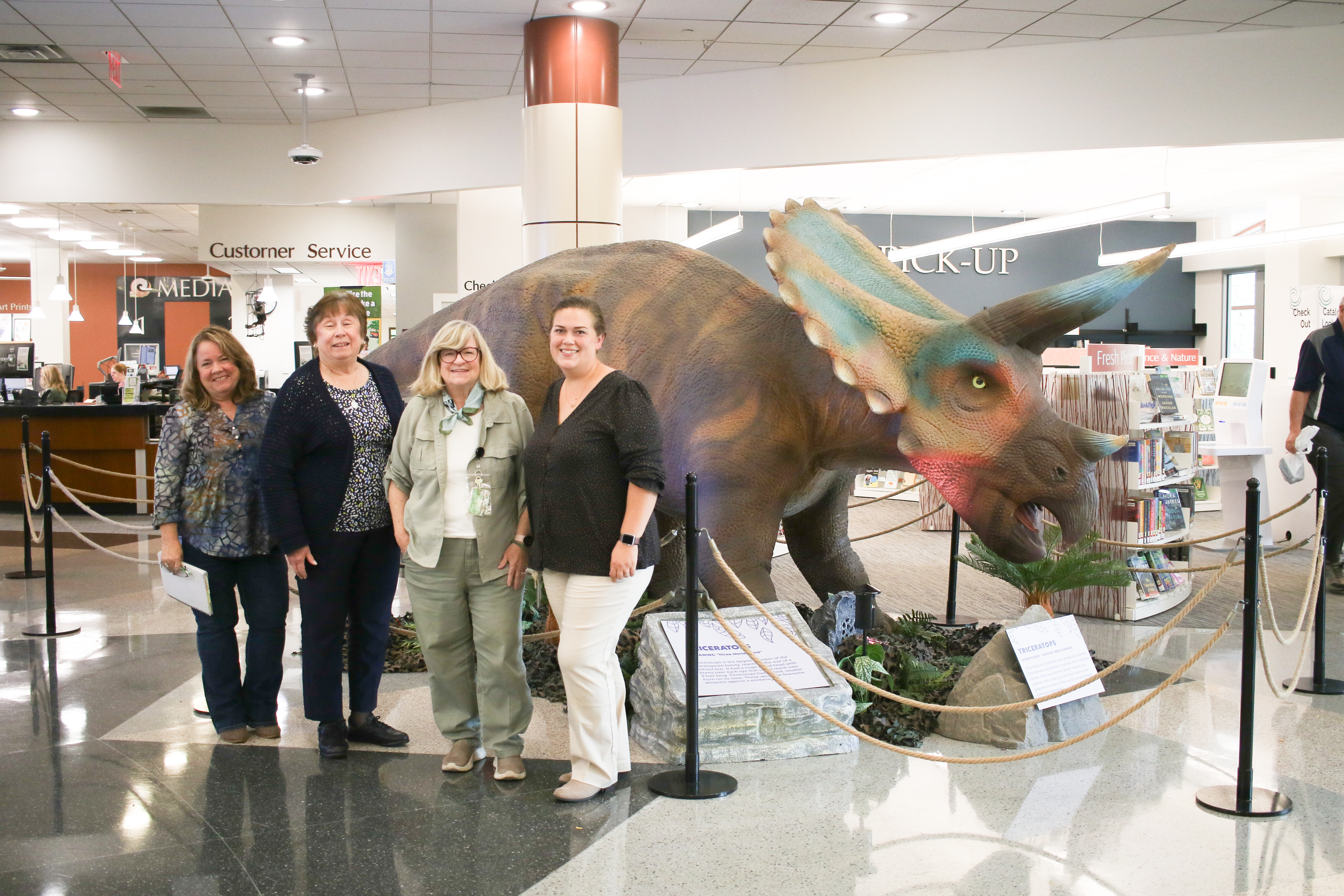
Gail Borden Public Library staff members. Left to right: Mary Amici-Kozi, Carole Medal, Denise Raleigh, Natalie Kiburg.

Photograph courtesy of Gail Borden Public Library District

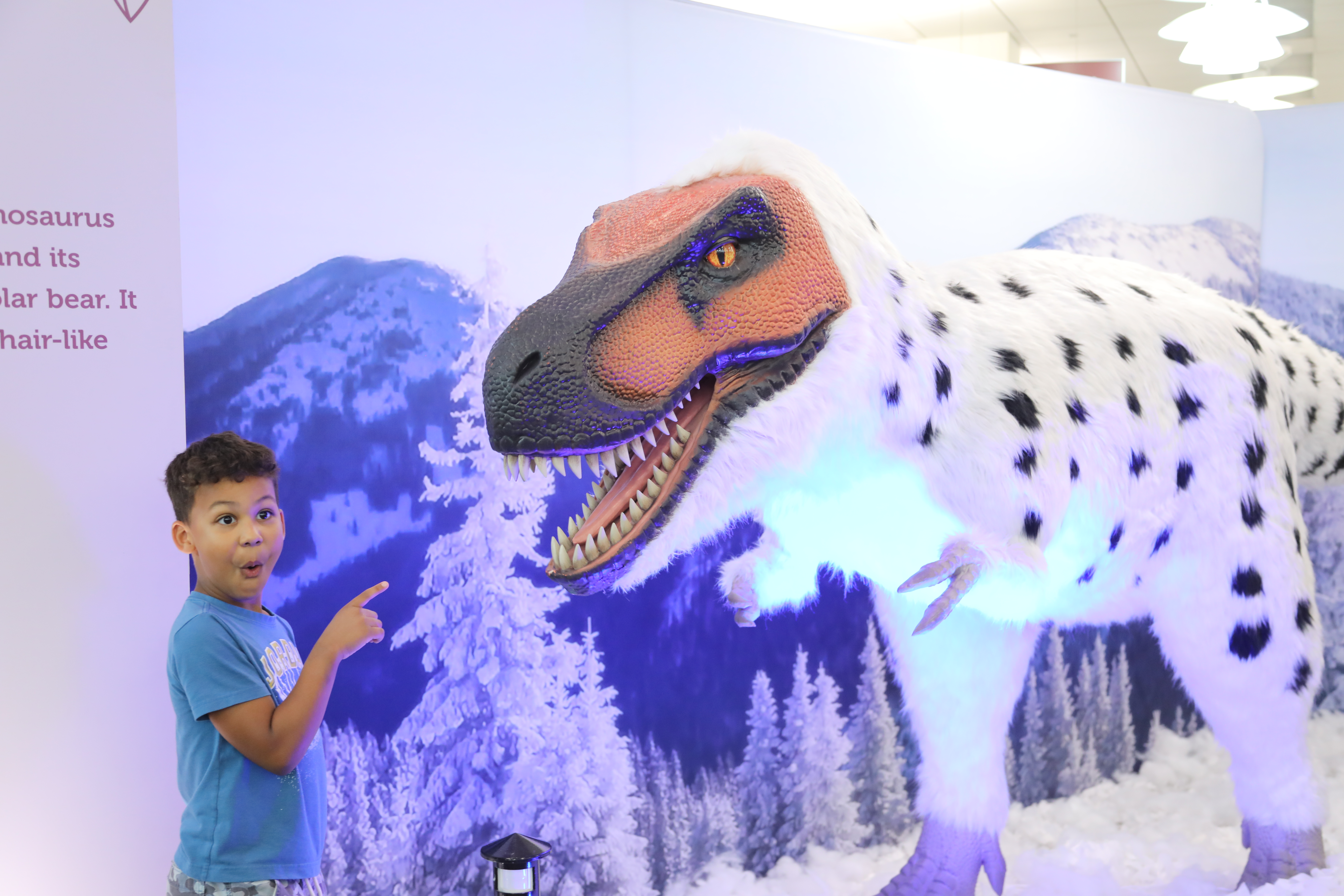
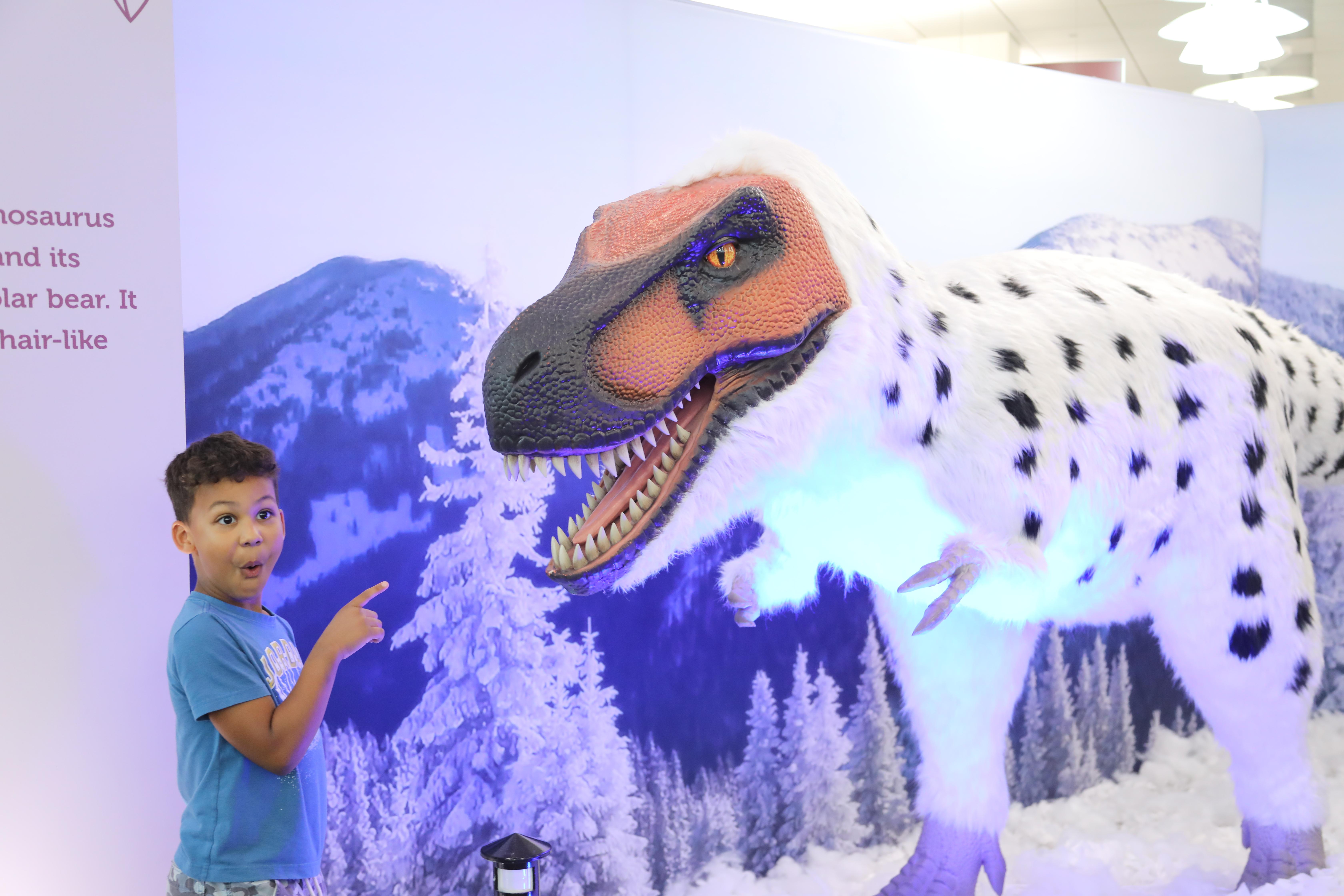
Dinosaur excitement!

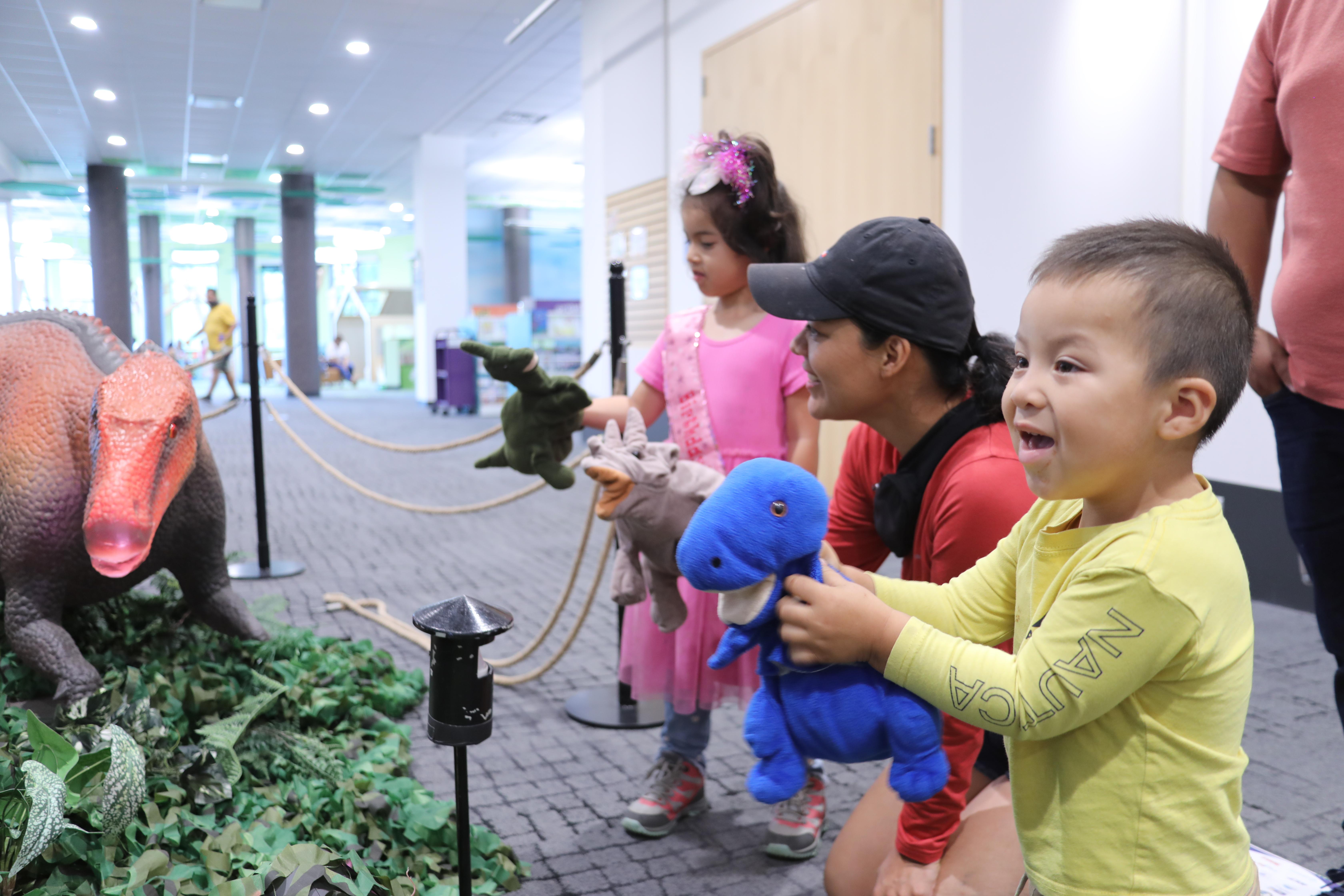
Photograph courtesy of Gail Borden Public Library District

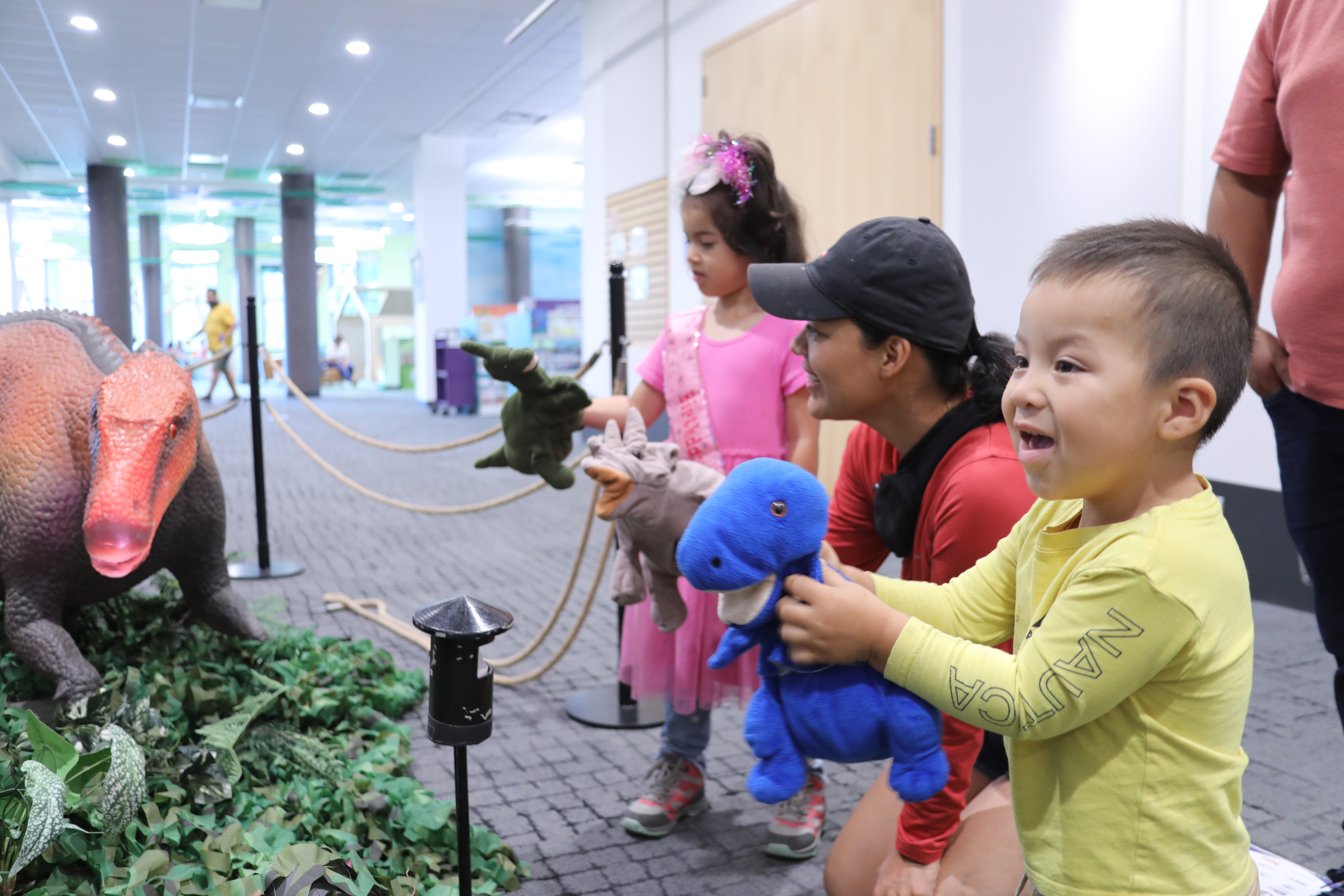
Kids bring their dino plushies to meet the life-sized dinosaur animatronics at Gail Borden Public Library.

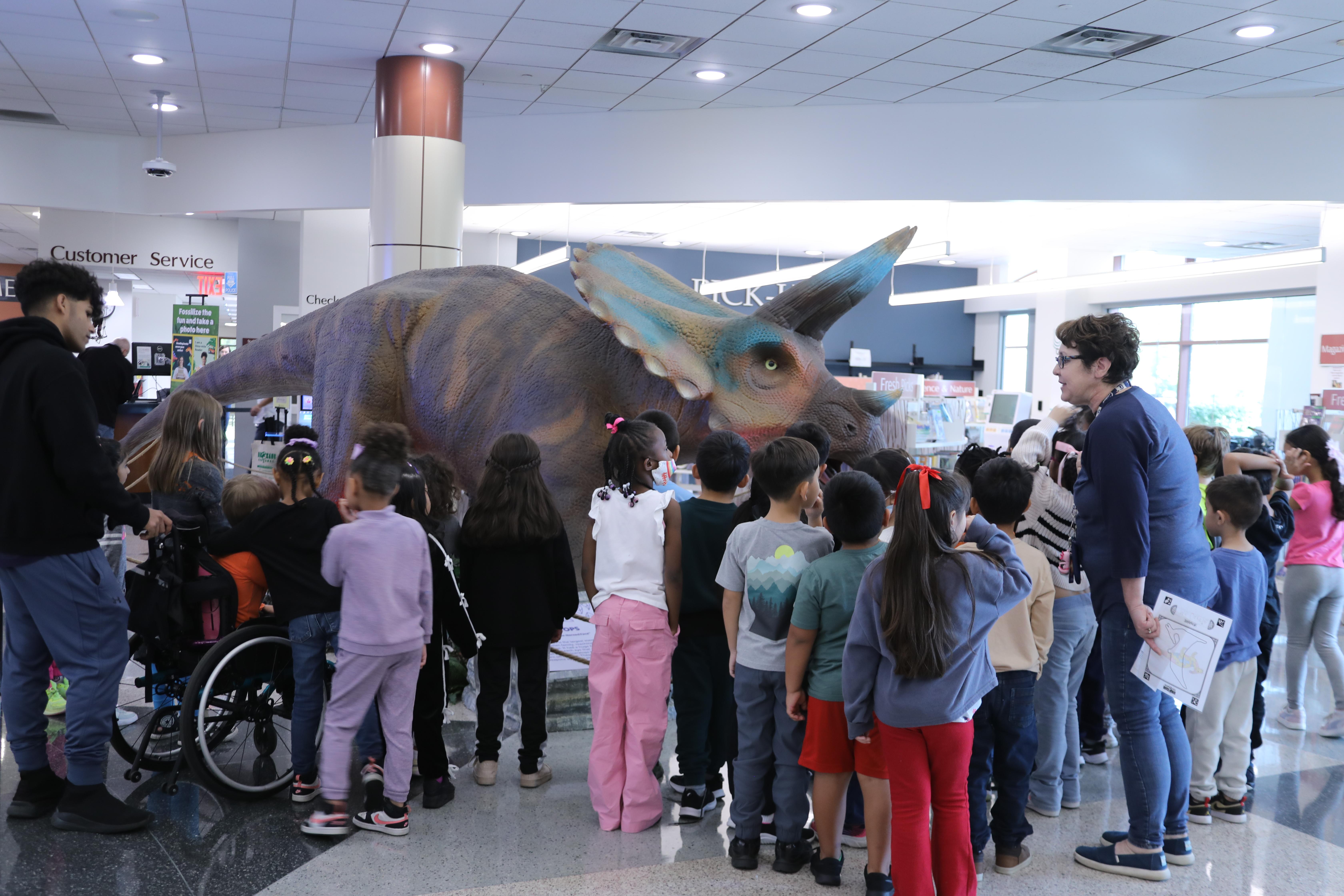
Photograph courtesy of Gail Borden Public Library District

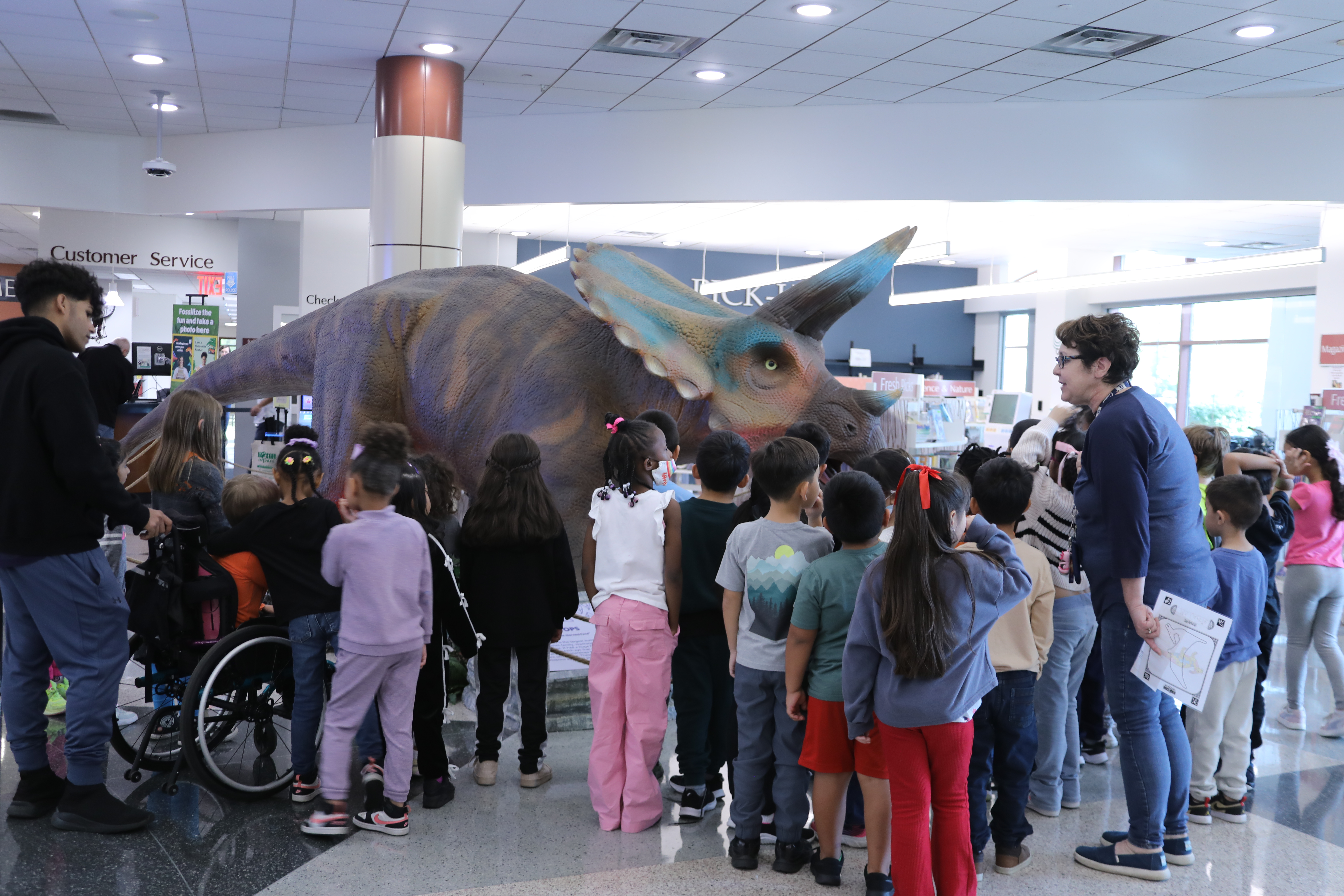
Students on a field trip crowd around one of the larger animatronics.

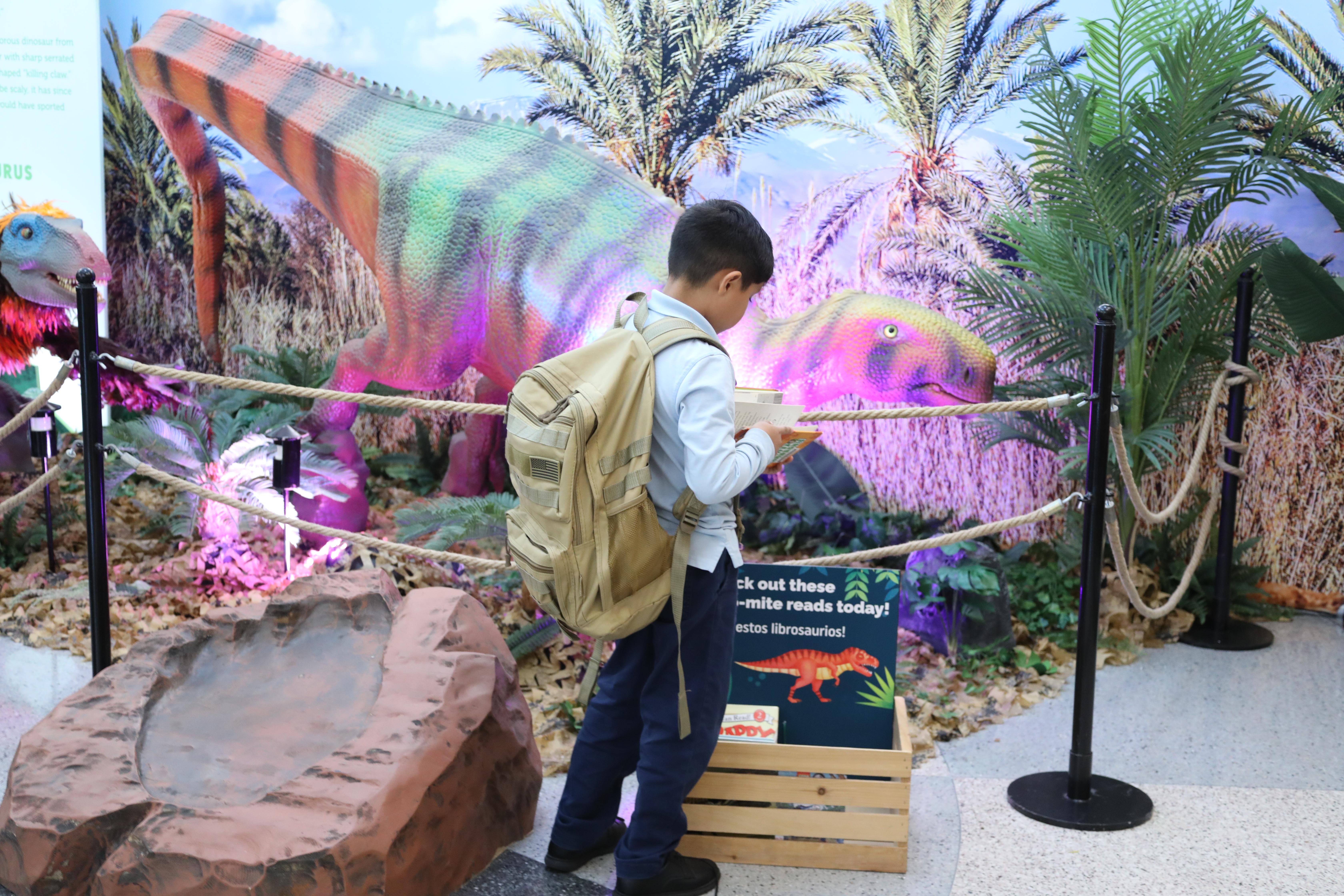
Photograph courtesy of Gail Borden Public Library District

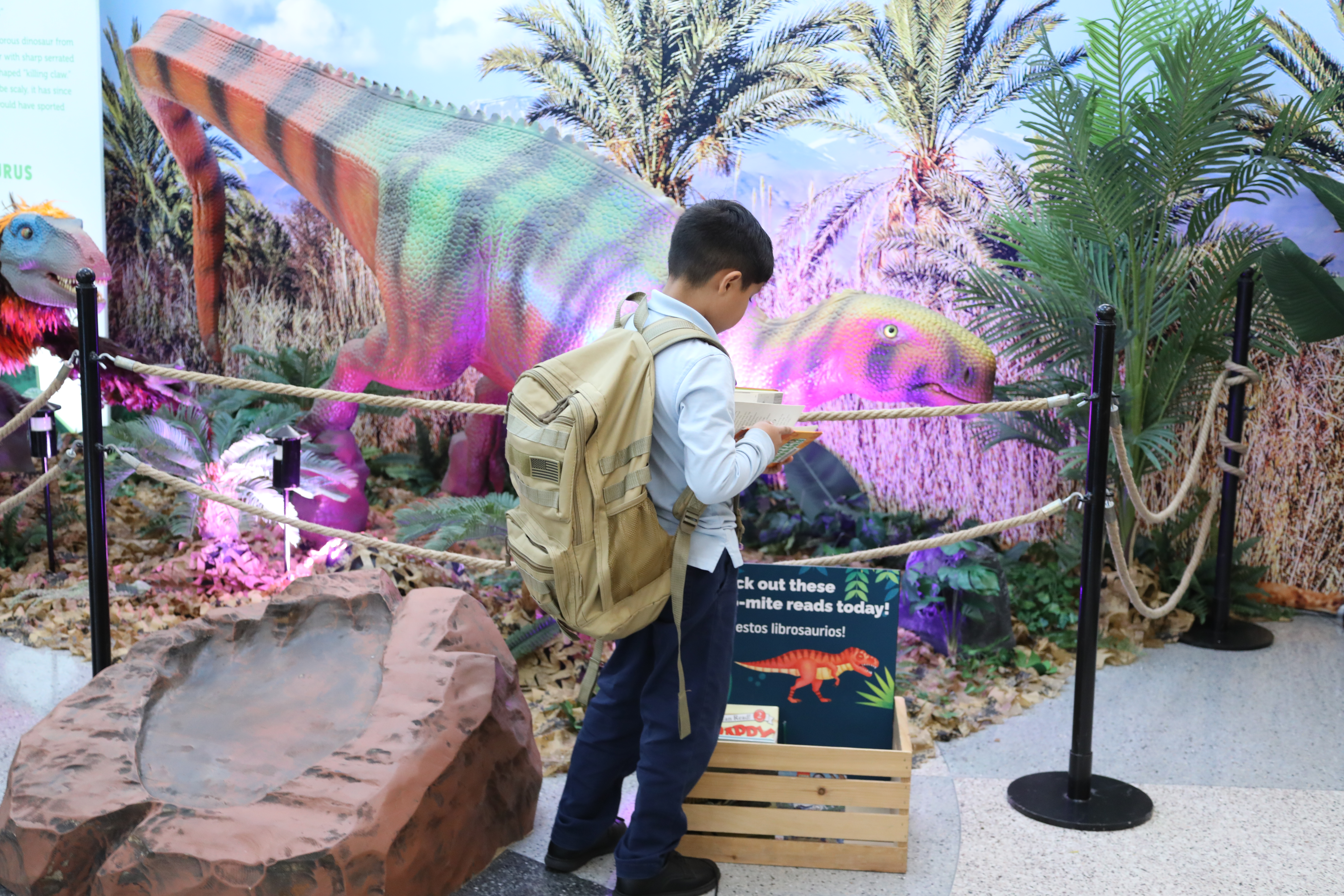
A child takes a look through the dinosaur-themed books that accompany the exhibit areas.

Photograph courtesy of Gail Borden Public Library District

Thank you exhibit recap report for the Dinosaur Explorer exhibit.

Courtesy of Gail Borden Public Library District

thumbnail
thumbnail
thumbnail
thumbnail
thumbnail
thumbnail

Know your staff

At Gail Borden, staff have developed a shorthand to discuss how long they’ve been at the library; instead of mentioning the date they were hired, they recall which exhibit was on display when they started. Exhibits are so central that nearly every staff member plays a role in bringing them to life. From youth and adult services staff who develop programs and special events around exhibit themes to public relations staff who might find themselves stocking book crates, everyone contributes to making each exhibit a success.

Know what you do and do it well

New hires quickly learn that Gail Borden isn’t a quiet library to work in. Exhibits bring energy, noise and constant activity. Staff embrace this liveliness as part of what makes their library unique.

There is also an emphasis on knowing what your staff does well and not hesitating to seek outside expertise for everything else. Gail Borden, for example, outsources exhibit installers for very large or fast time crunch exhibits, so facilities staff can focus on their daily work in other parts of the library. Local teachers also assist in writing curriculum around exhibit themes. That balance helps elevate the quality of exhibits without stretching staff too thin.

Utilize staff expertise

Part of that balance comes from recognizing and nurturing individual strengths, even when they fall outside traditional job descriptions. Staff leaders keep a close eye on what people excel at, and they look for ways to channel those talents into exhibits. One staff member who started as a Copy Shop clerk, for example, had a background in game design and now creates interactive digital games that enhance the exhibit experience. (A dress-up iPad game he created for the spring 2025 Glitz, Glamour, Gorgeous exhibit had over 98 hours of active use and 2,808 plays.)

“Fit your staff into what they like to do,” says Mary Amici-Kozi, supervisor of exhibits and displays. “Listen to their stories and learn about their hobbies.”

Amici-Kozi credits her personal experience with home rehab projects to the way she handles exhibit crew, her deep knowledge of exhibit walls, and the creative displays she creates to personalize and accentuate exhibits, like when she created giant candy bars to fit into the library lobby for a 2014 Chicago candy exhibit.

You might have circulation staff with museum experience who can assist with exhibit planning on a small level or someone with retail experience who can help sell items related to the exhibit. 

Know your supporters

Just as community and staff are central to the success of Gail Borden’s exhibits, so too are the partners and sponsors who help bring those exhibits to life.

The Dinosaur Explorer exhibit lists tiers of sponsors, ranging from national companies to local organizations. This list — which is prominently displayed in the library — serves not only to recognize donors but to inspire new ones. Staff recall a day when the owner of a local roofing company pointed at a sponsor sign. “I want my name up there,” he said. He went out to his truck and came back with a $1,000 check.

Know your impact story

Many of Gail Borden’s sponsors are local because they witness firsthand the library’s impact on the Elgin community. Staff advise other libraries looking for sustainable sponsorships to tell your library story, communicate openly and look for organizations that can bring unique local perspectives and resources. If they say no to a sponsorship, it’s not about you. Don’t let a rejection discourage you.

“It’s important to bring your sponsors or potential sponsors [to the library] to see the impact of their sponsorship,” says Raleigh. Transparency like this also builds lasting trust. Show supporters exactly how their contributions make a difference and use visuals whenever possible. Photos that capture the awe and excitement of visitors can be especially powerful in demonstrating an exhibit’s reach and value to keep current sponsors inspired or to bring in new ones.

Collaborate with other libraries

Collaboration extends beyond individual sponsors, too. Gail Borden has successfully partnered with nearby libraries to share exhibits and create regional excitement. During the Culinary Curiosity exhibit in 2019, several regional libraries collaborated on the exhibit and joined together for a “stamp passport” activity that encouraged visitors to travel between locations.

“There’s strength in numbers,” says Medal. “If you’re a smaller library, find other libraries that would go together for a particular exhibit.” Partnerships with local businesses, schools and city departments also help exhibits feel deeply rooted in the community. 

At Gail Borden, exhibits are more than displays or animatronic dinosaurs. They are shared experiences that unite the Elgin community. Each one builds on the last, fueled by the creativity of staff, the dedication of supporters and the enthusiasm of visitors who return again and again. 

“What we find when we have one of these [exhibits] is that this is where the community sees each other. People of all races, all cultures, all ages, they'll stand in front of one of these dinosaurs together and have a jaw-dropping moment,” says Raleigh. “People self-select where they live, what church they go to, but the library brings people together. Awe works in all languages.”


Resources