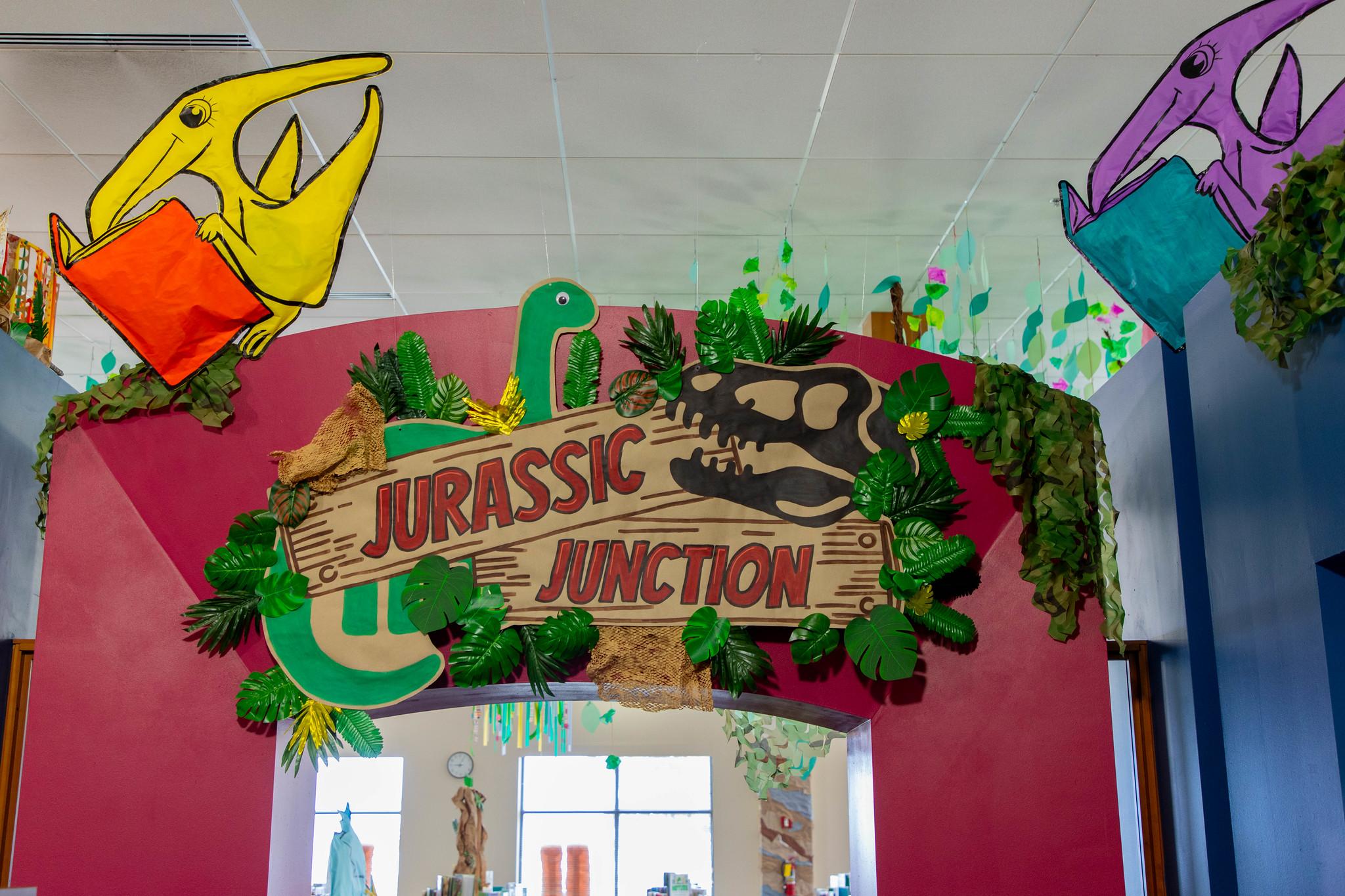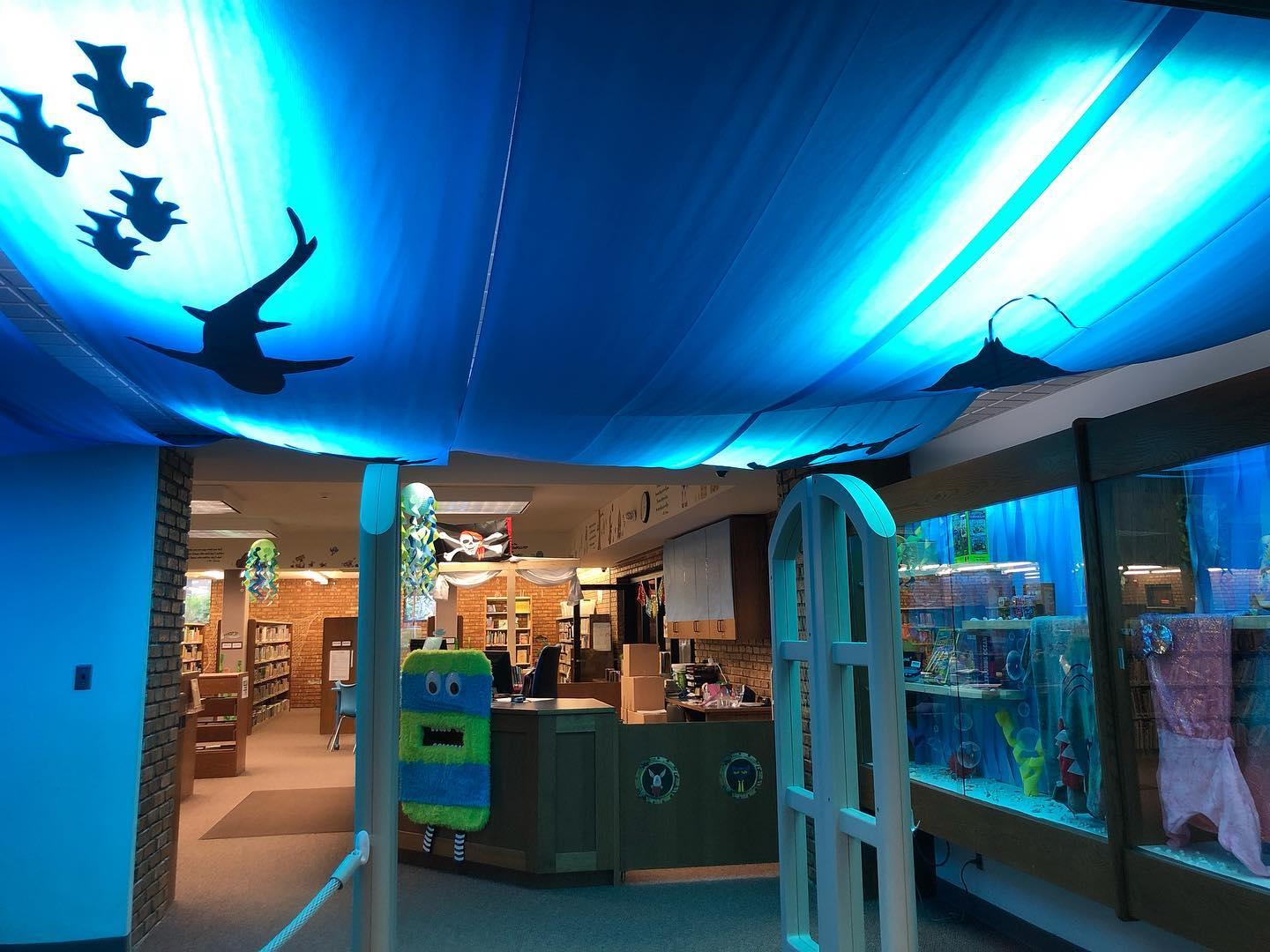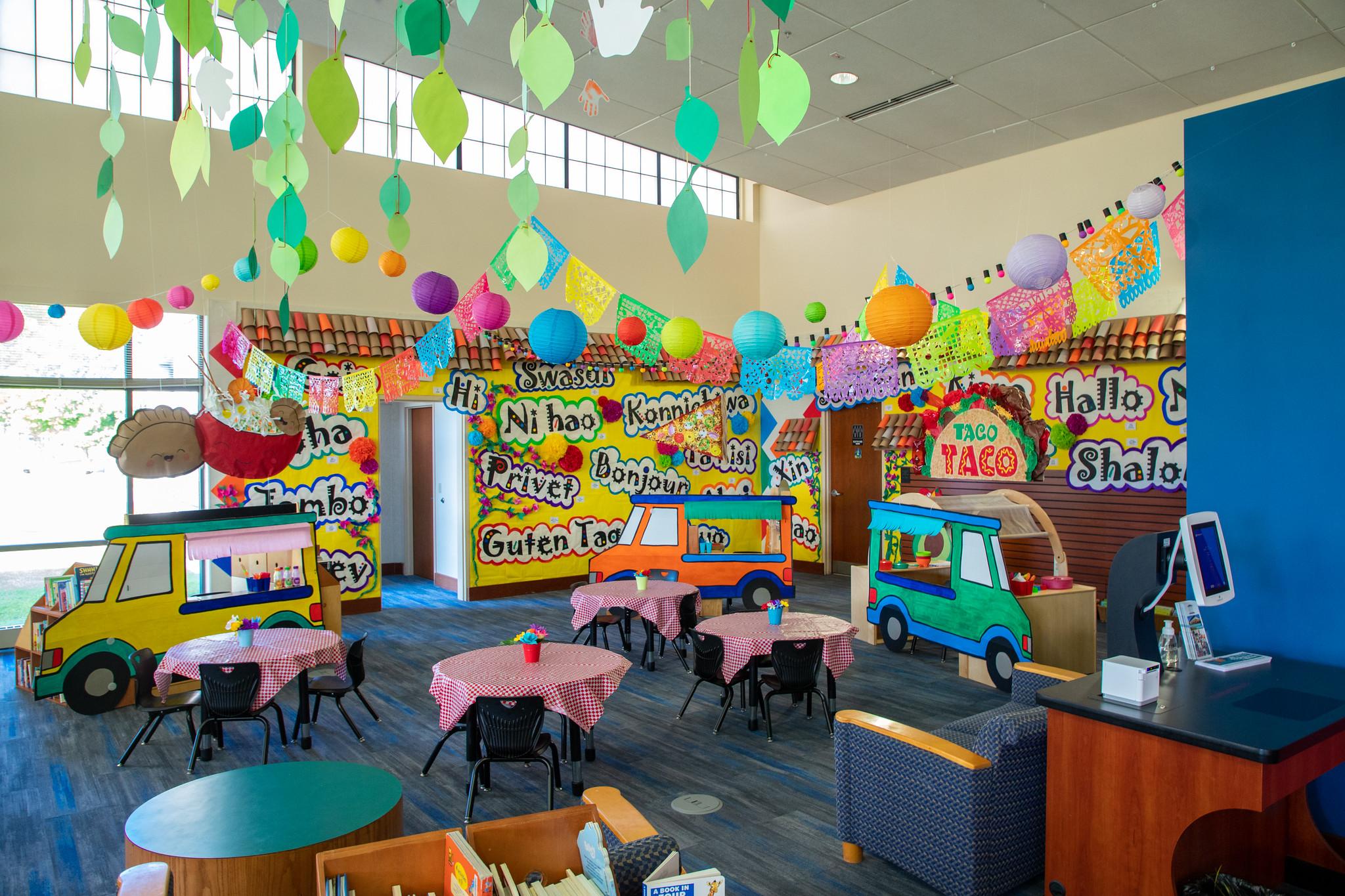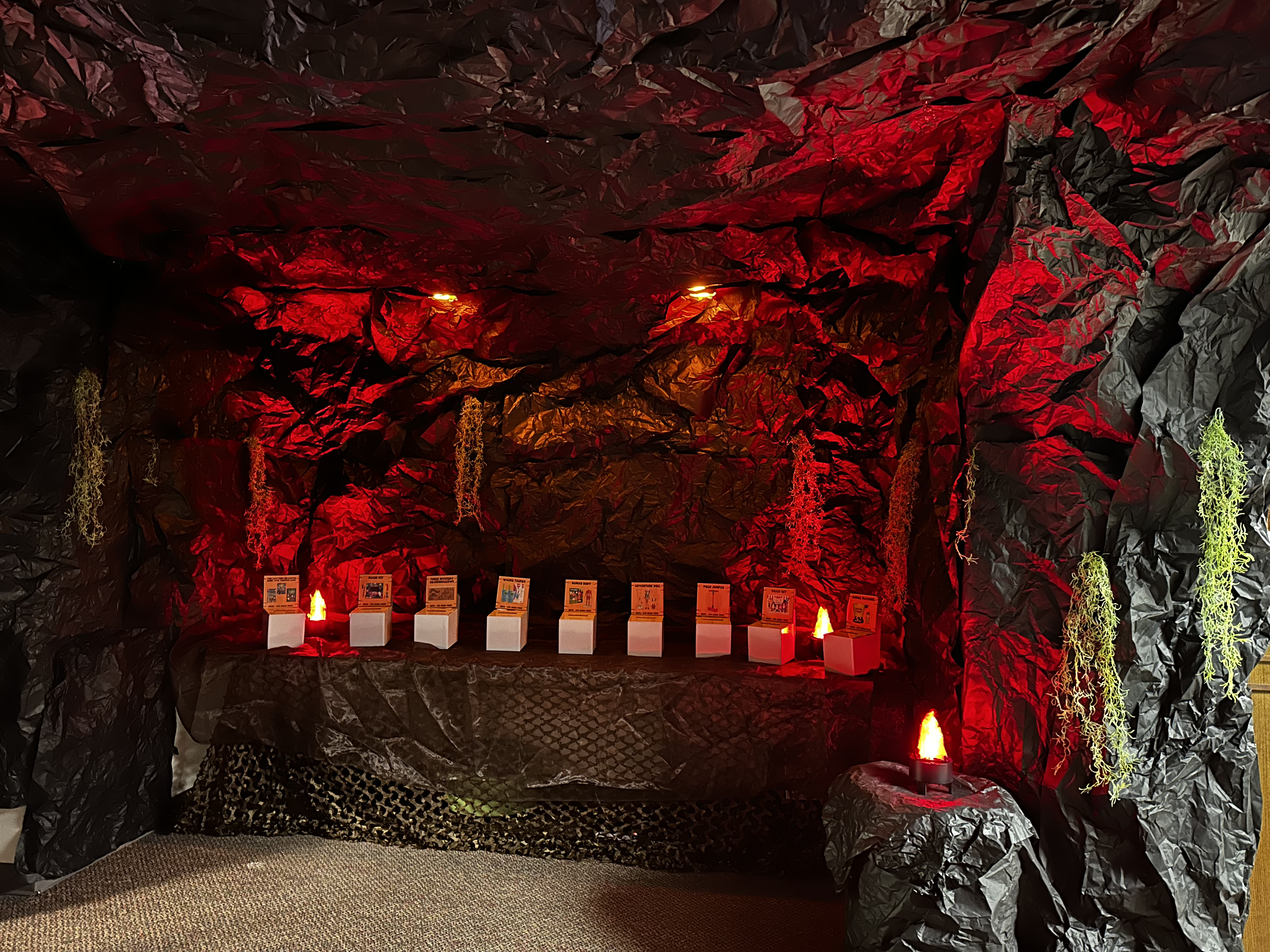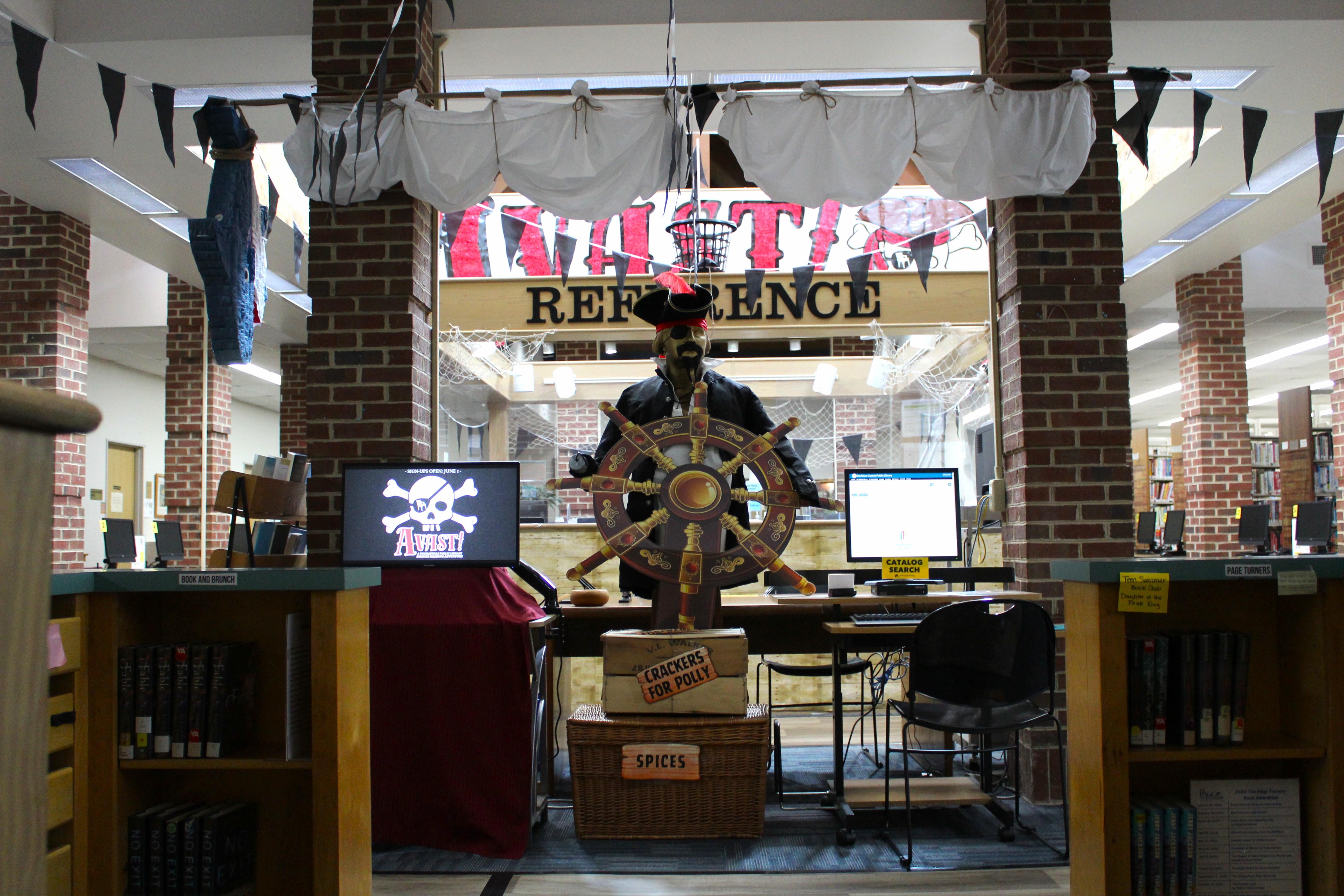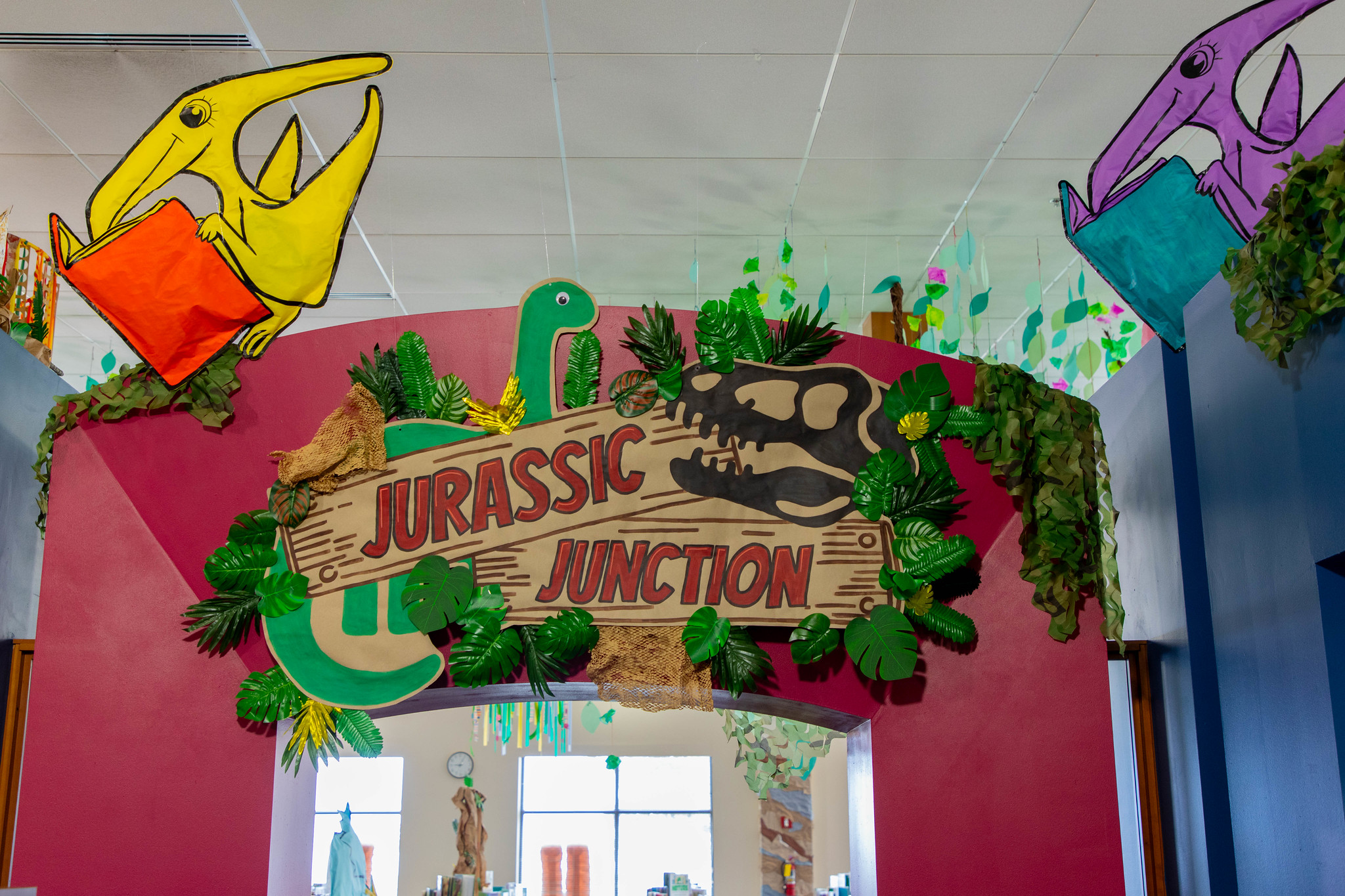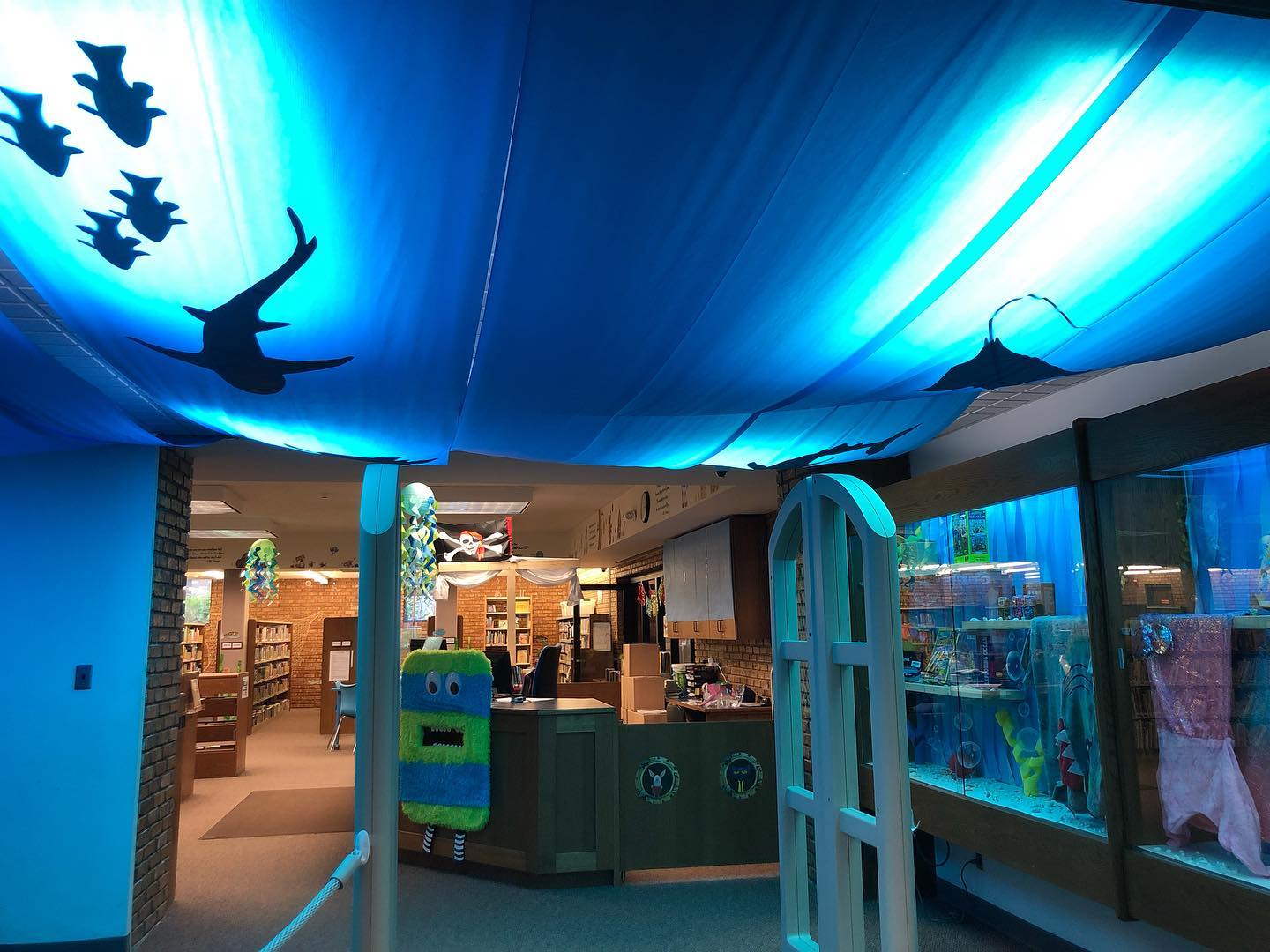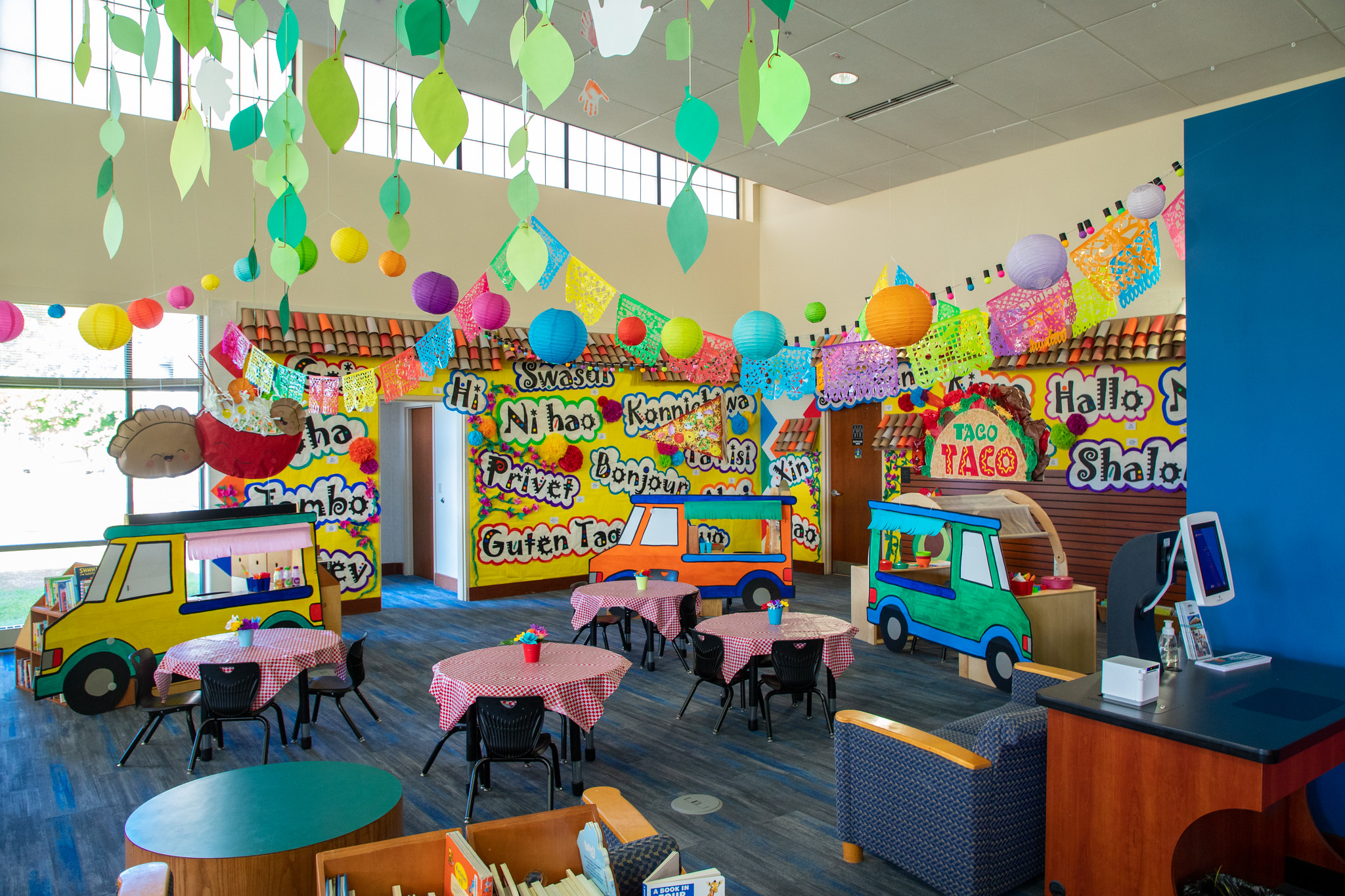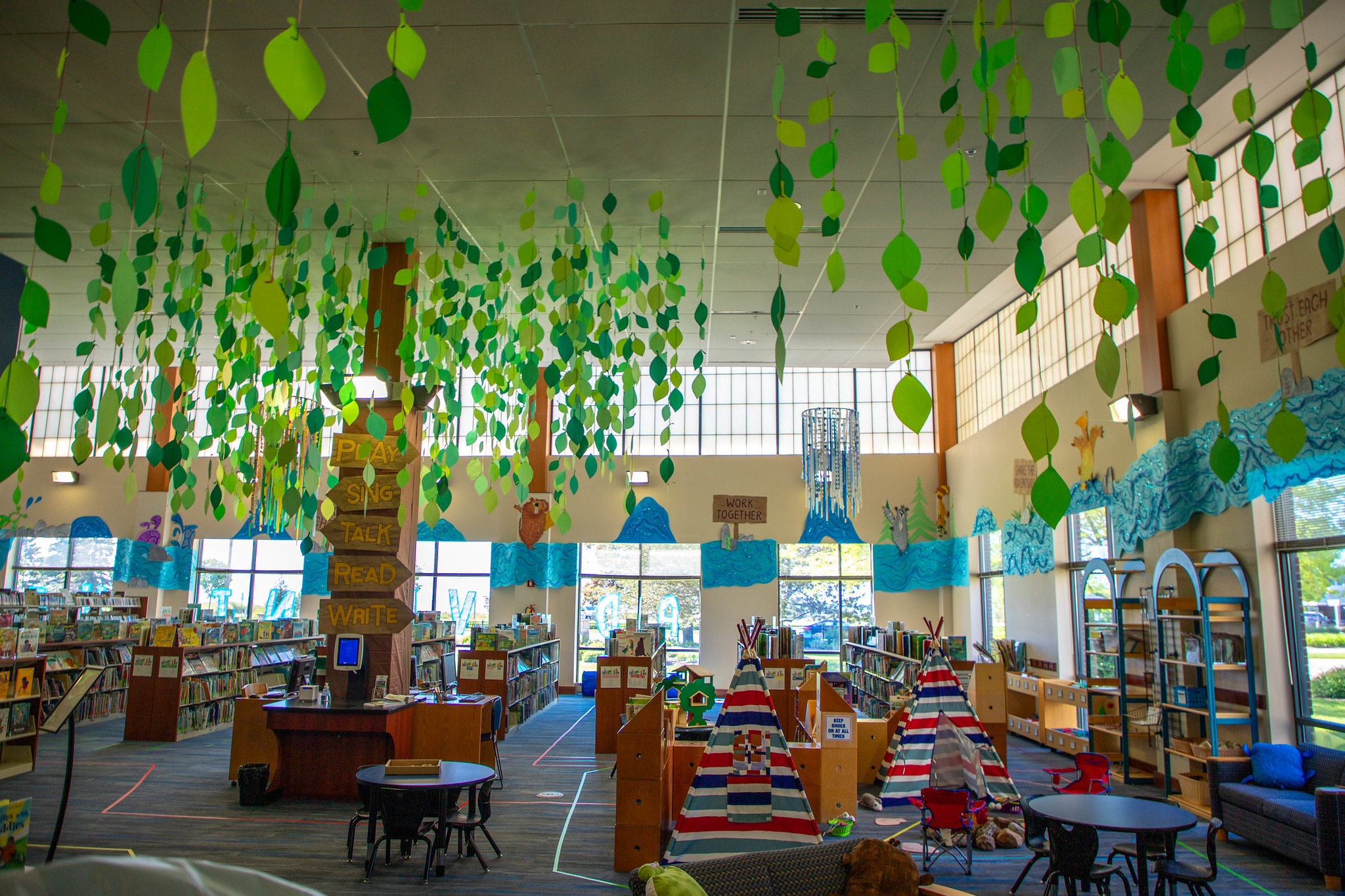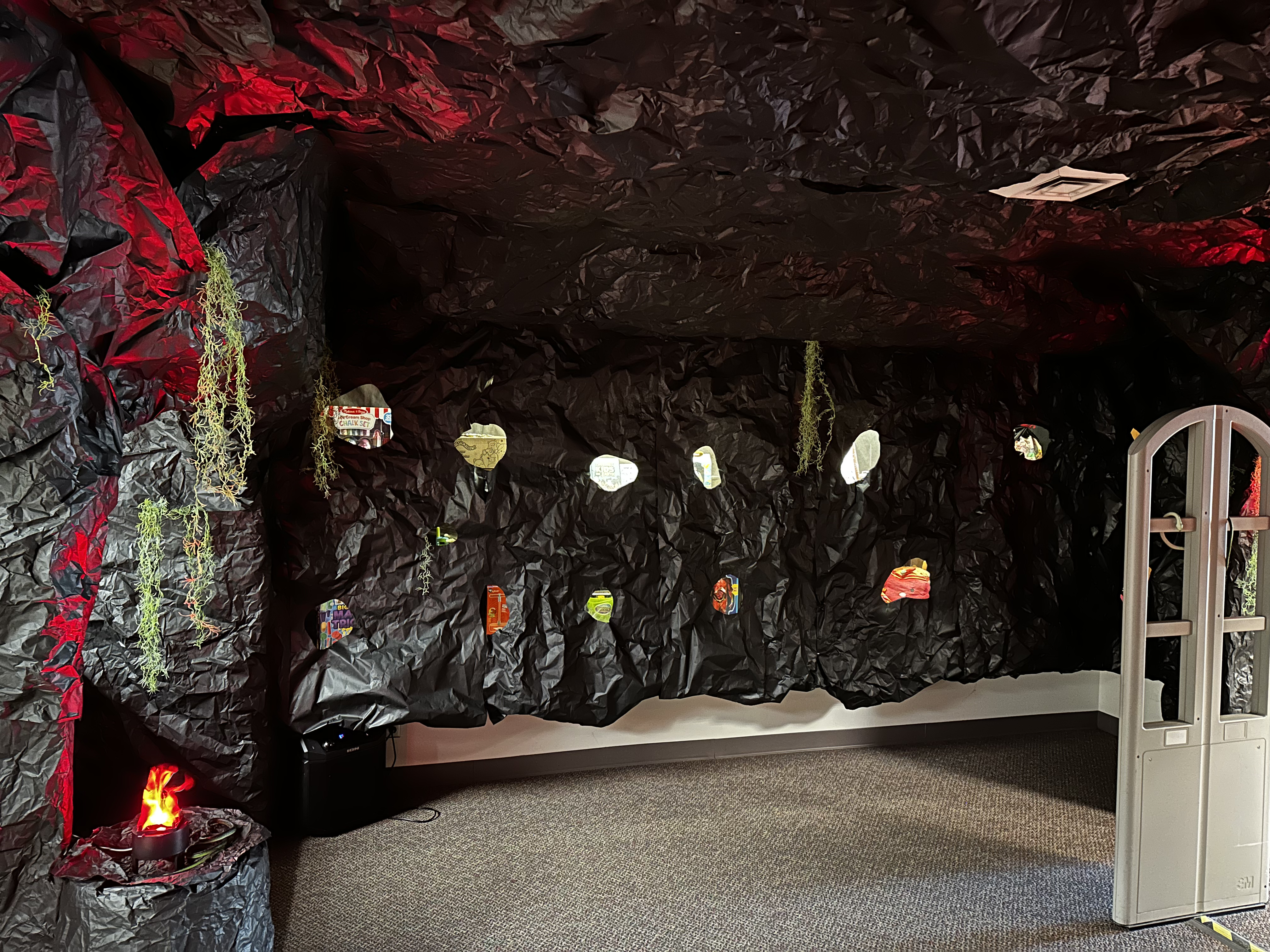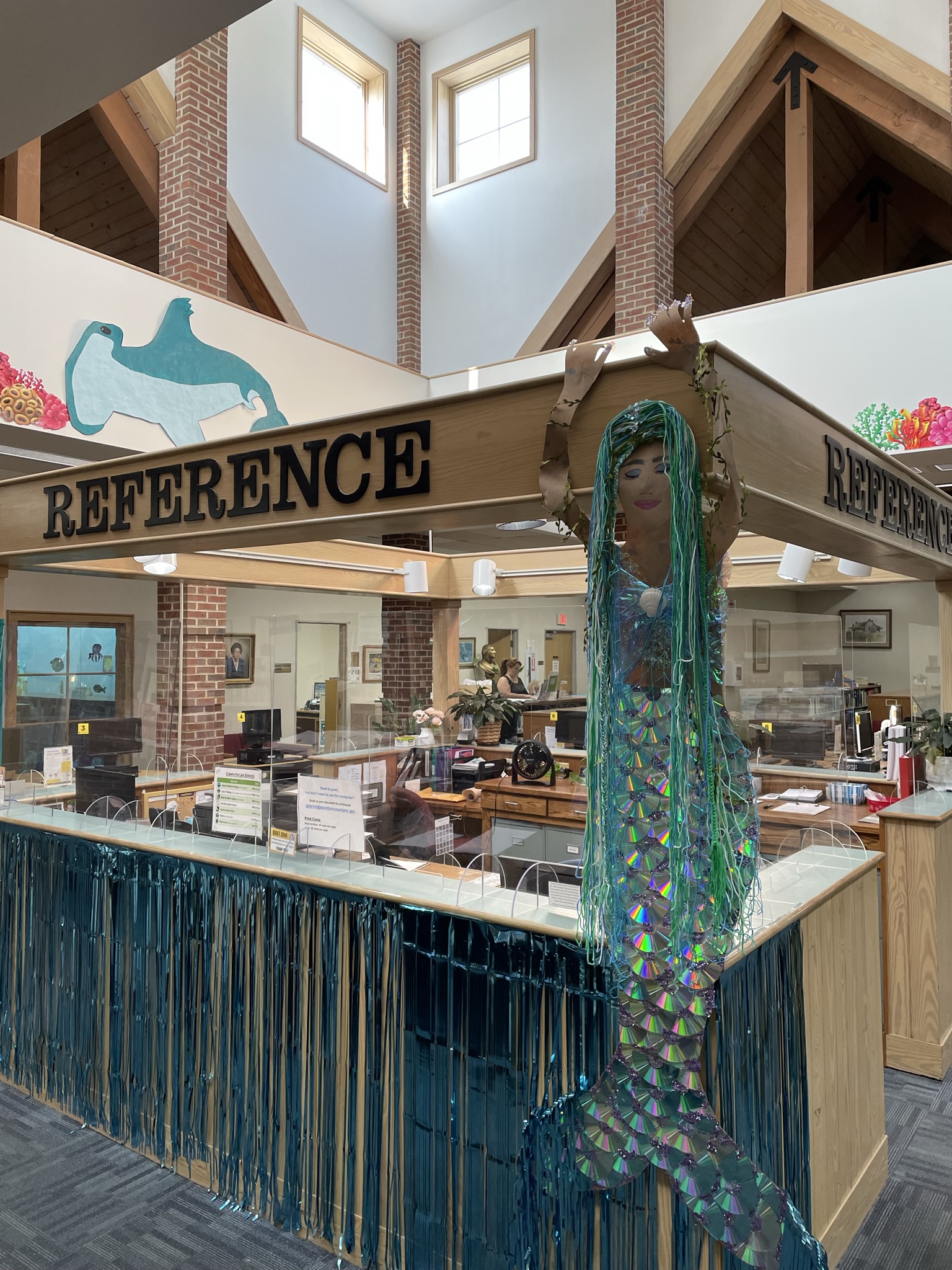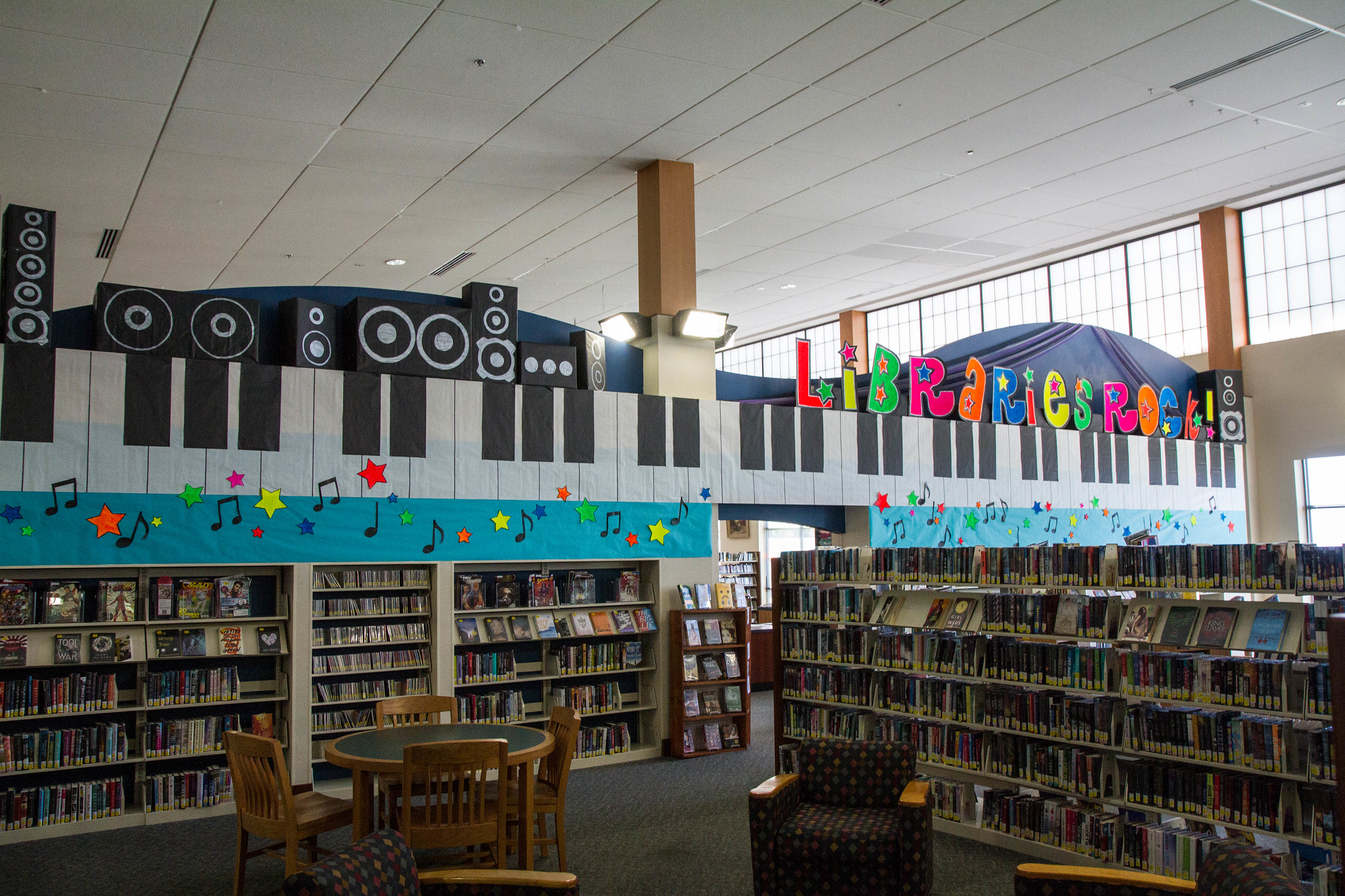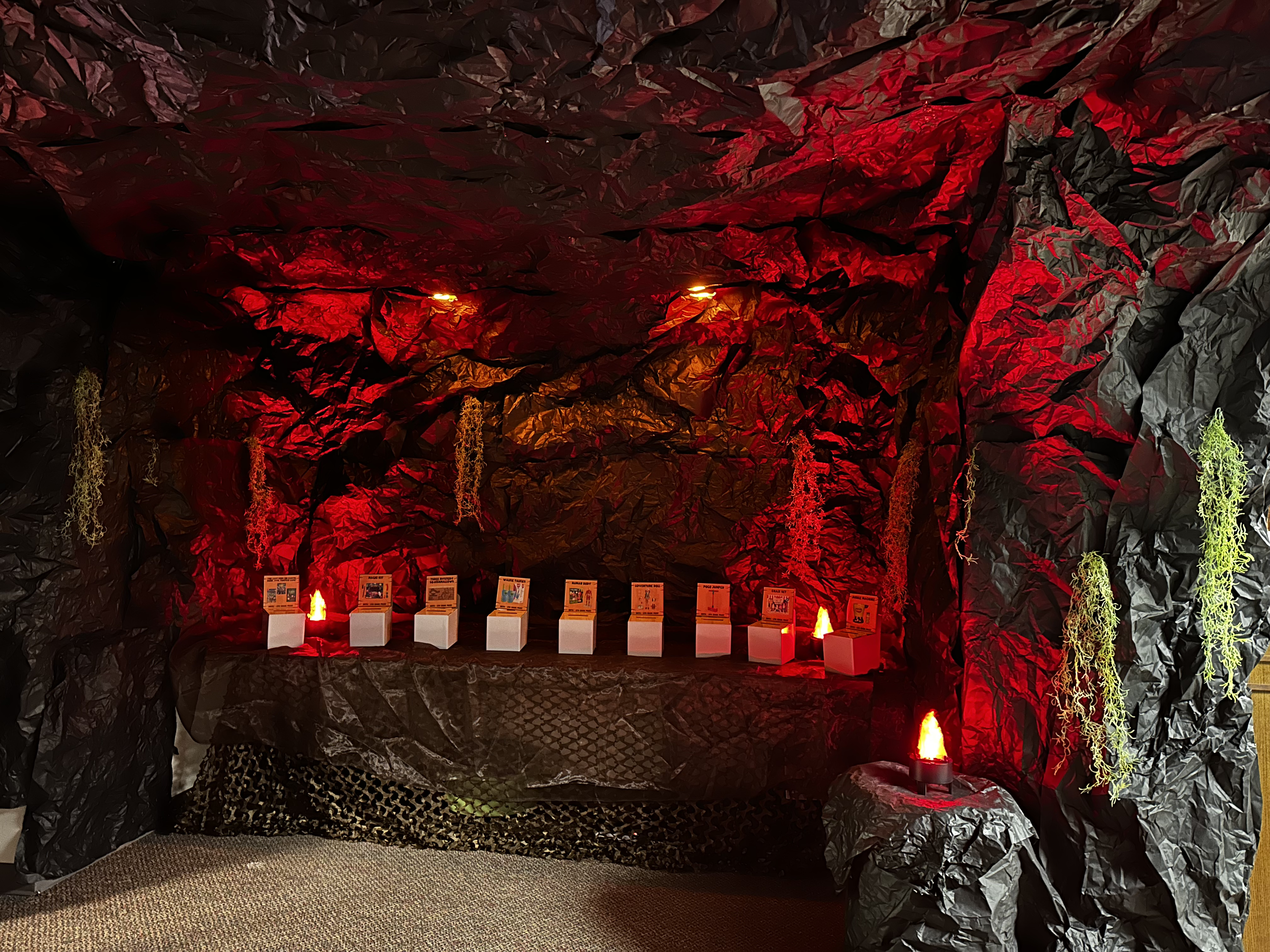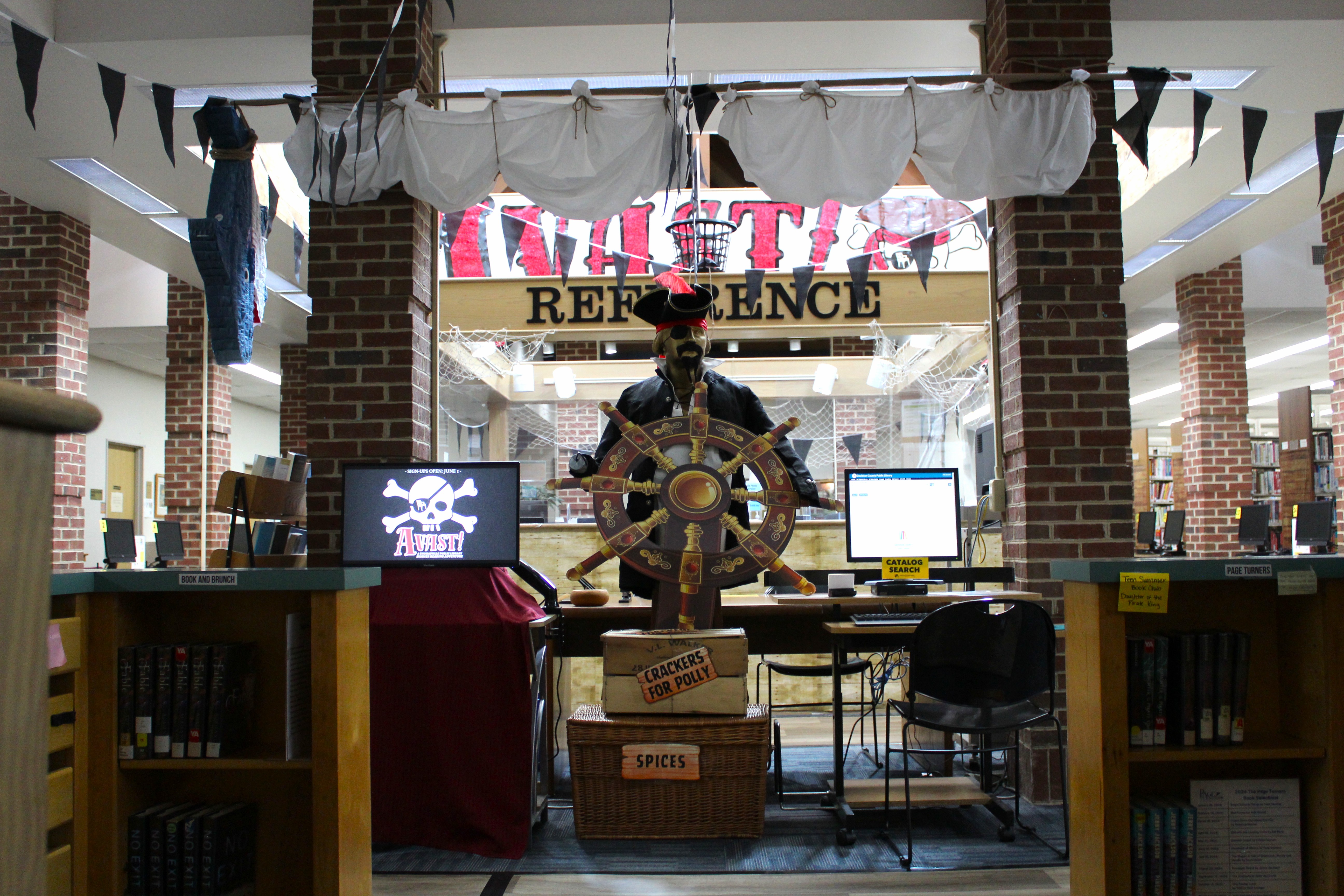



How far in advance do you begin planning summer reading décor?
Keaton Toney: By our kick-off party, there is usually a basic theme or idea that we will use as inspiration for the following year. The idea may morph, but the general concept stays the same.
Terry Ehle: When the CSLP catalog comes out in October, the wheels start turning. Ideas usually begin taking shape on paper in February, although actual construction doesn't begin until May because we simply don't have the workspace to accommodate large decorations.
Adrienne De Luna: Ideas for the next summer reading theme usually start almost immediately after the current one ends. I'm constantly saving inspiration throughout the year.
What does the planning process look like from concept to installation?
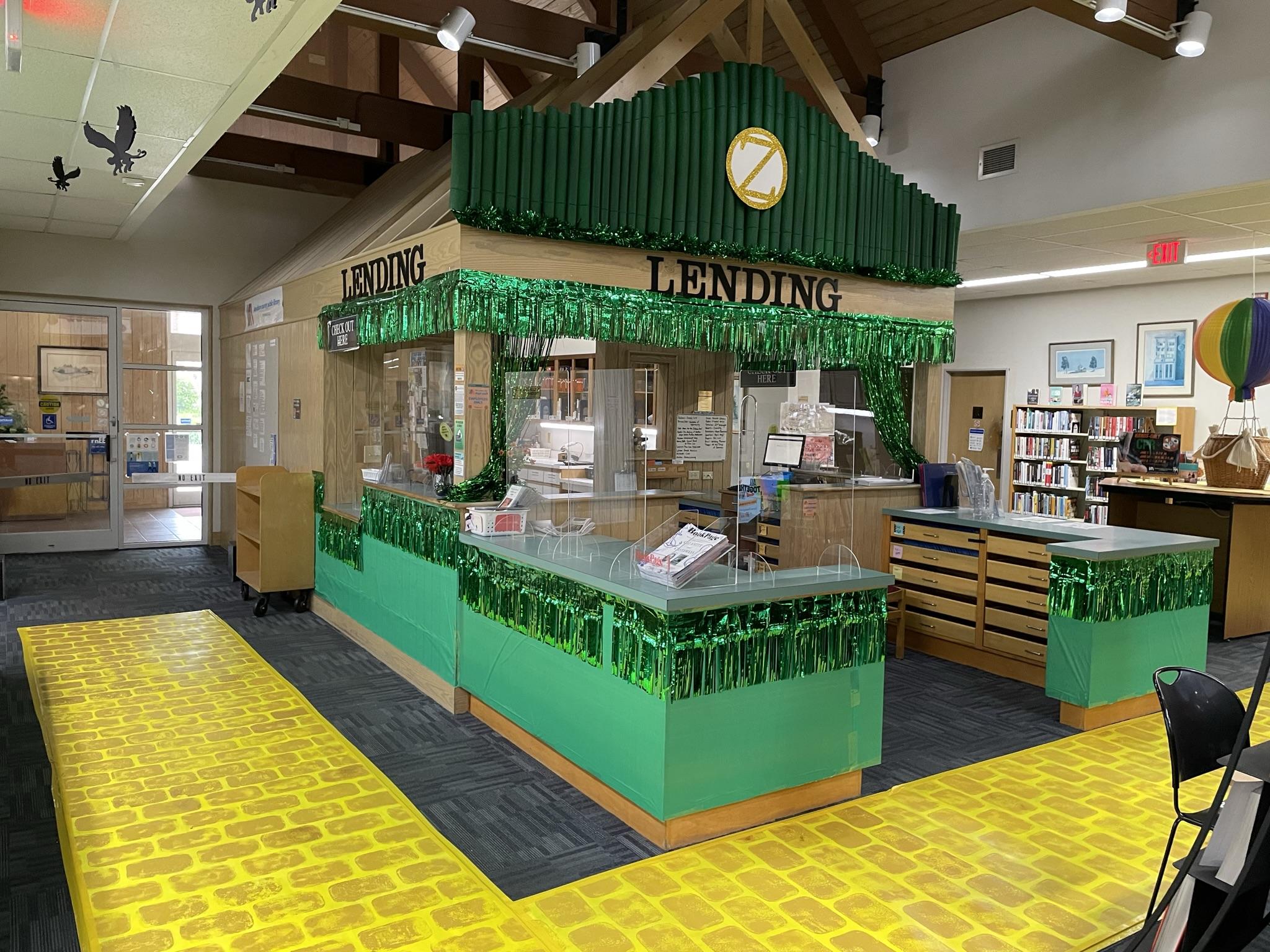
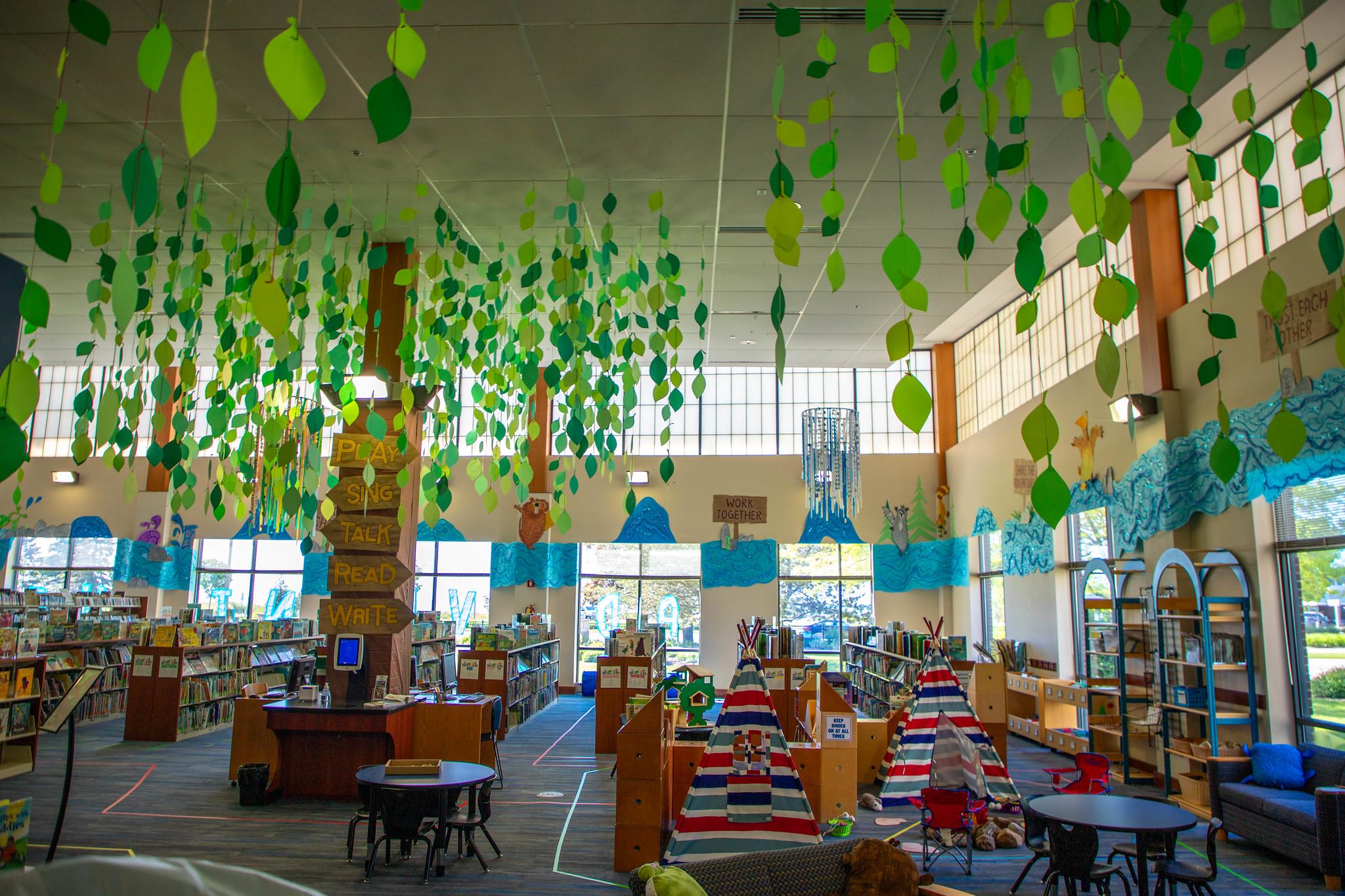
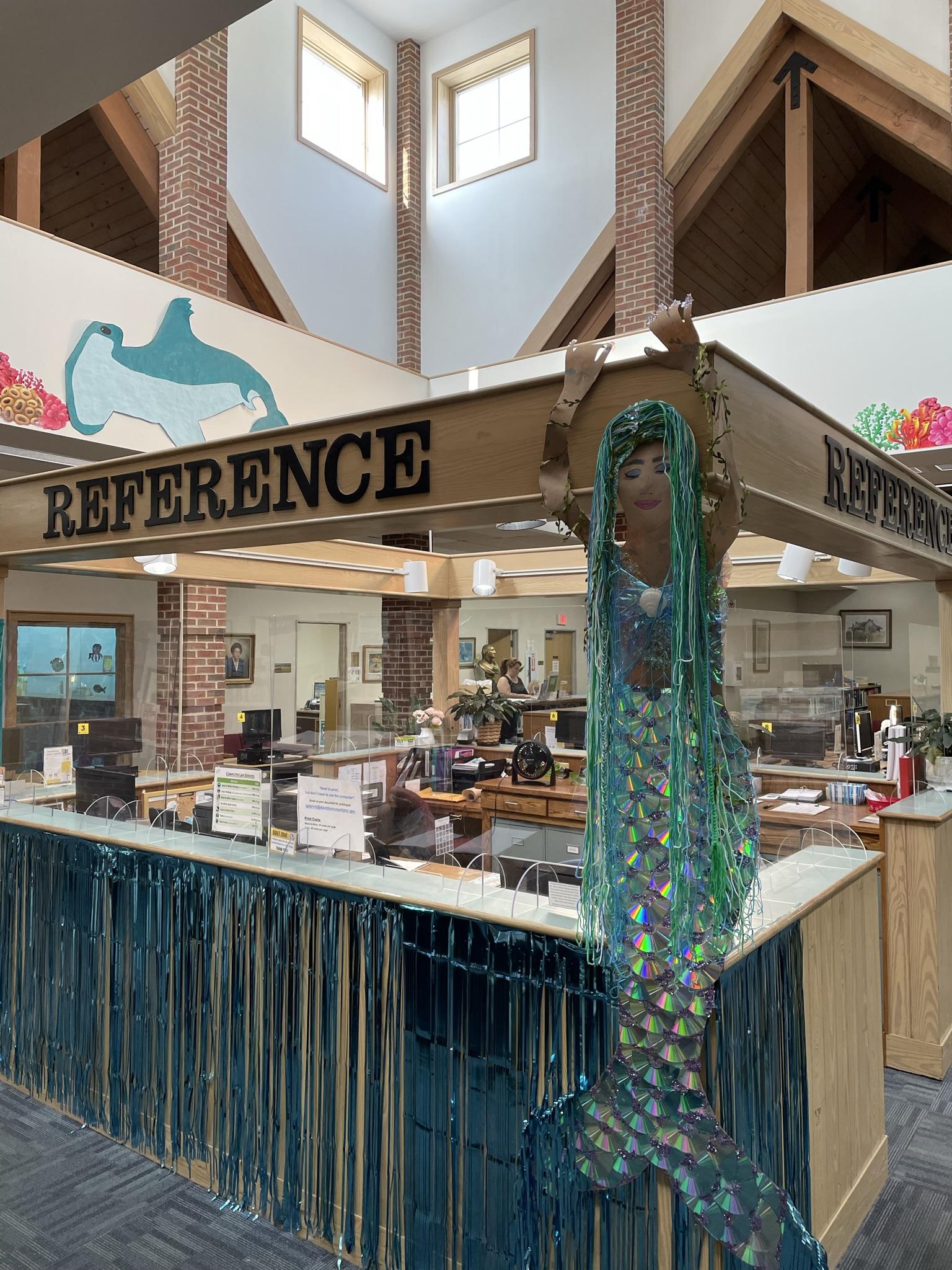
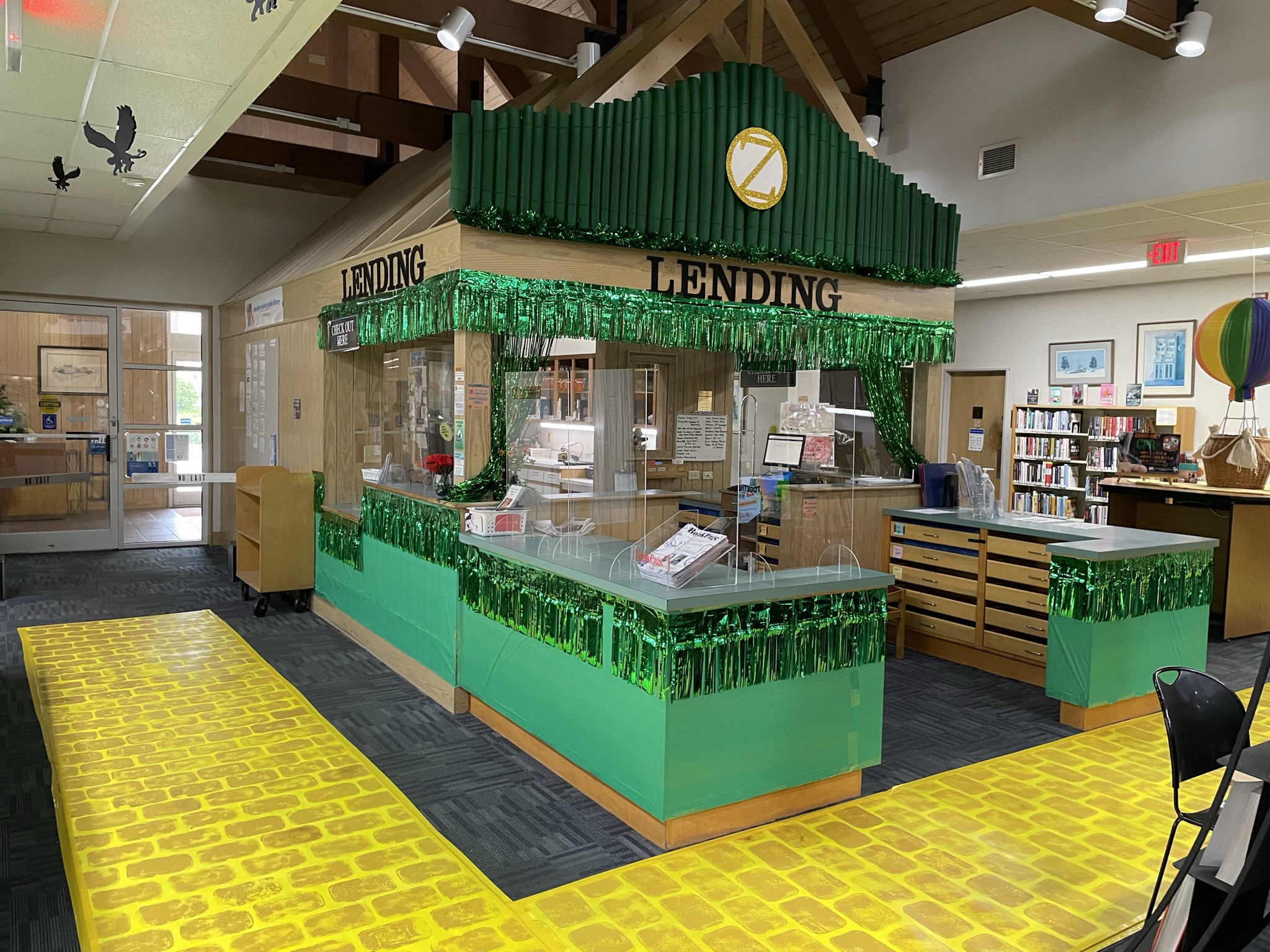
Toney: It's a group, collaborative endeavor. We like to have a cohesive vision for the whole building. For example, during the 2023 All Together Now theme, different parts of the library represented scenes from The Wizard of Oz. The Children's Department became Munchkin Land, our lending desk became the Emerald City and the reference desk became Dorothy's House.
Around mid-April, staff will start assembling decorations. We usually have one Saturday called Décor Day, where all staff are in the building decorating. We'll order pizza and use it as a staff bonding activity.
Ehle: Our decorations go hand in hand with our dramatic play center, so we think about the entire experience from the very beginning: what children will see, touch, imagine and interact with.
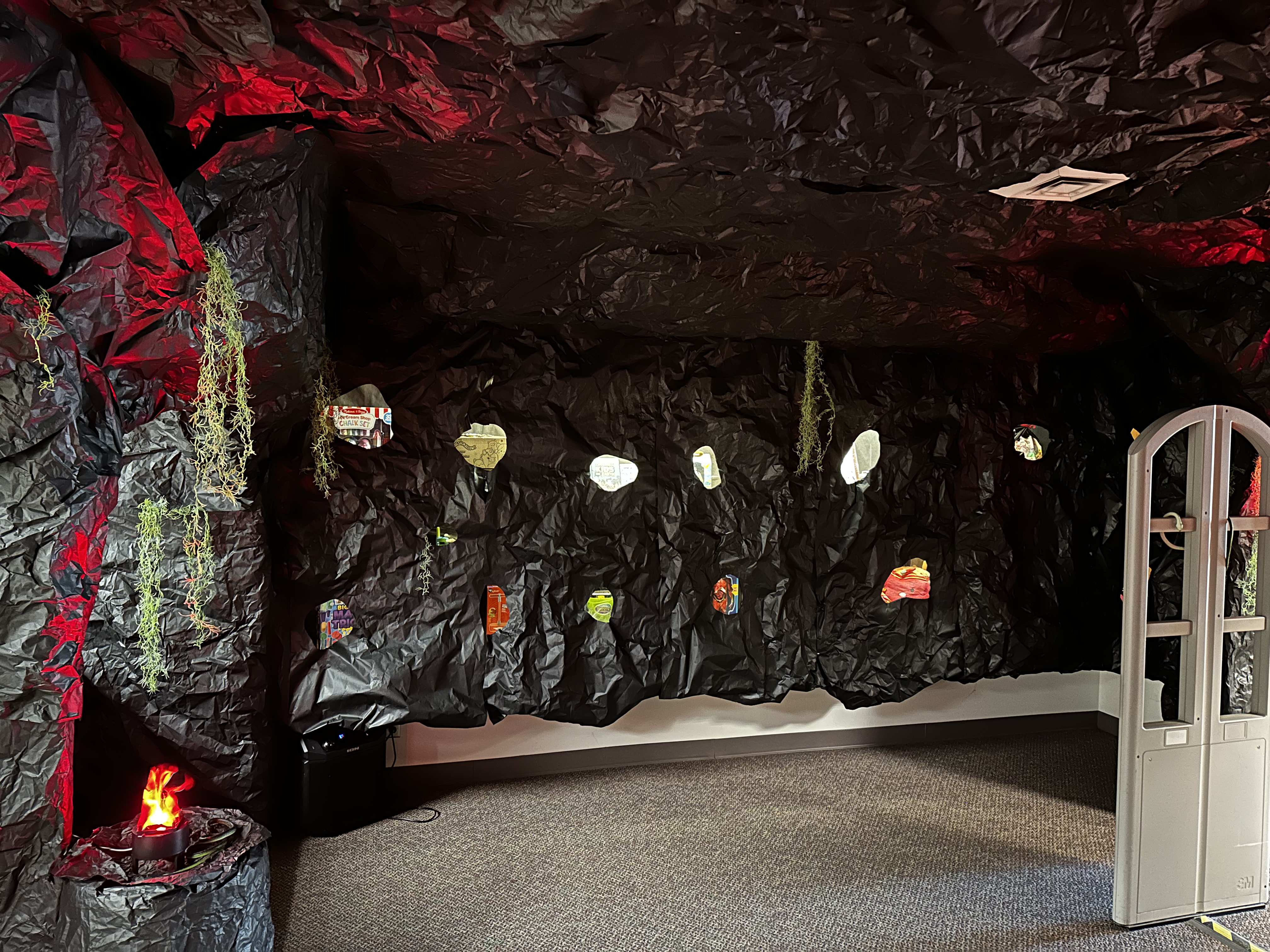
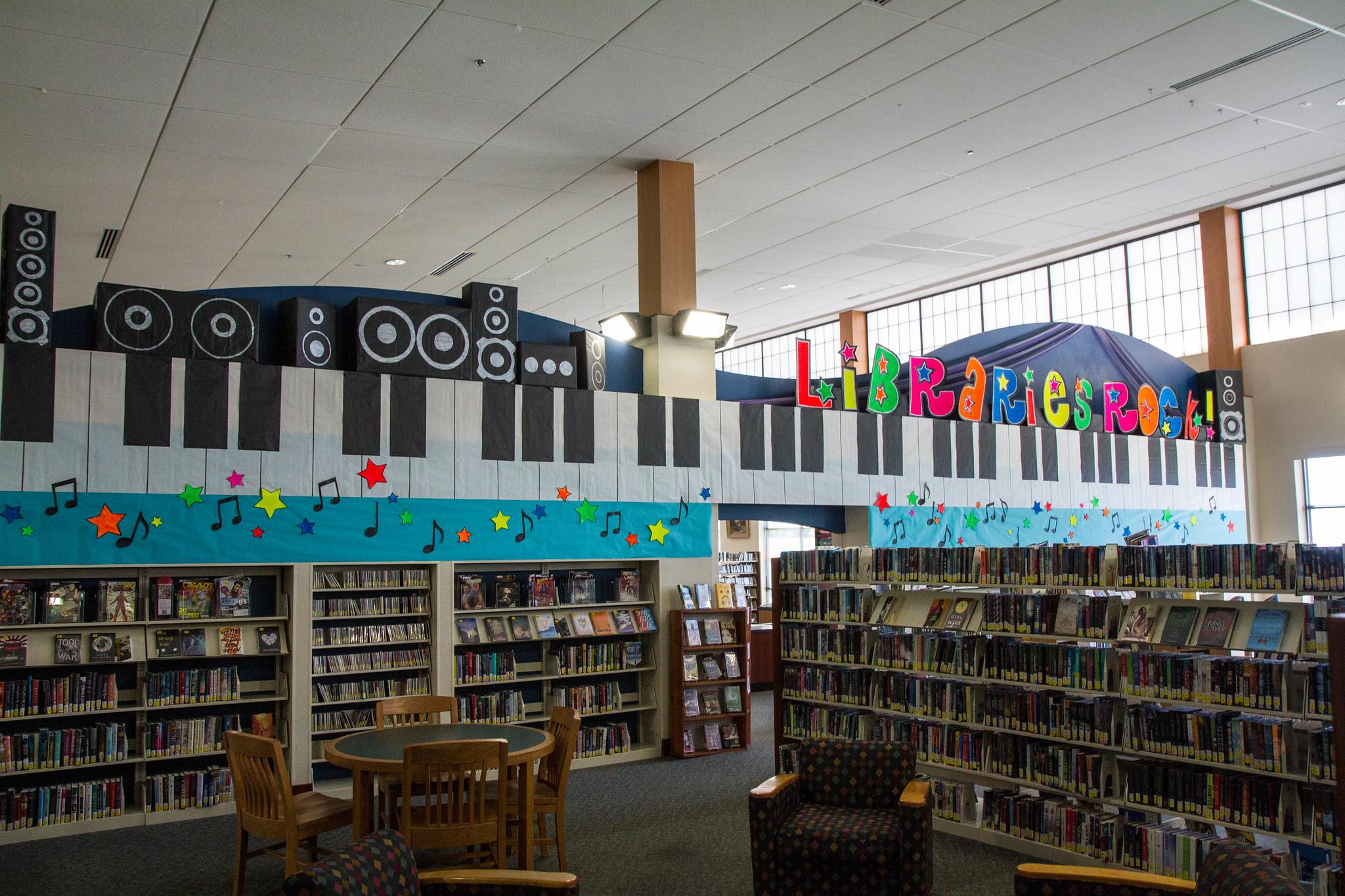
We're fortunate to have high ceilings, expansive wall space and access to a lift, so we tend to think big. We enlarge artwork using an old-school overhead projector and spend a lot of time painting oversized scenery and props.
De Luna: It usually starts with the theme and one big visual idea. I create a planning spreadsheet with tabs for décor inspiration, programming ideas, prize ideas, supply lists, pricing, installation notes and product links.
Seeing everything in one place helps me stay organized and delegate when coworkers are helping with prep.
What factors influence the scale and scope of your decorations?
Toney: Staff excitement is a big part of why we are able to create what we do. I let them drive most of our ideas, and we are encouraged by our patrons. Their reactions have been a large motivating factor.
Ehle: We focus on impact rather than perfection. Not every piece has to be elaborate. A large painted backdrop, a few interactive elements and opportunities for imaginative play can completely transform a space.
De Luna: The décor was part of the summer reading experience—not just something nice to look at. The visual impact mattered because it created excitement before a single program even started. Kids came in talking about it. Families came back to show relatives. Some patrons stopped in specifically to see what the children's department looked like that year.
How do you balance ambitious ideas with staffing, budget and time constraints?
Toney: We are generally ambitious as a collective. If my craftier staff need time to prepare decorations, my less craft-minded folks will volunteer to take desk time or do clerical work.
Ehle: We build with inexpensive, reusable materials and rely heavily on teamwork, borrowed items and volunteer help. I also encourage librarians to think about décor as a long-term investment. A favorite summer performer might cost us $450 for a single one-hour event. My internal budget for props and décor is usually around $250 per theme, and the impact lasts for months.
De Luna: My spreadsheets always included prices so I could quickly see what was worth investing in, what could be DIY'd, what could be reused and what could be cut.
What advice would you give librarians creating large-scale décor for the first time?
Toney: Let your staff lead you. What are their interests and how could they be utilized in the project?
Ehle: Start where you are. You don't need a massive budget or professional art skills to create wonder. A single roll of bulletin board paper can become almost anything with paint.
De Luna: Start earlier than you think you need to and build around one strong focal point. Pay attention to the physical limitations of your space: Can you hang things from the ceiling? Can you tape walls? Are your walls brick? Those details matter.