A City That Plays Together: What It Takes to Run a 17,000-Player Library Game

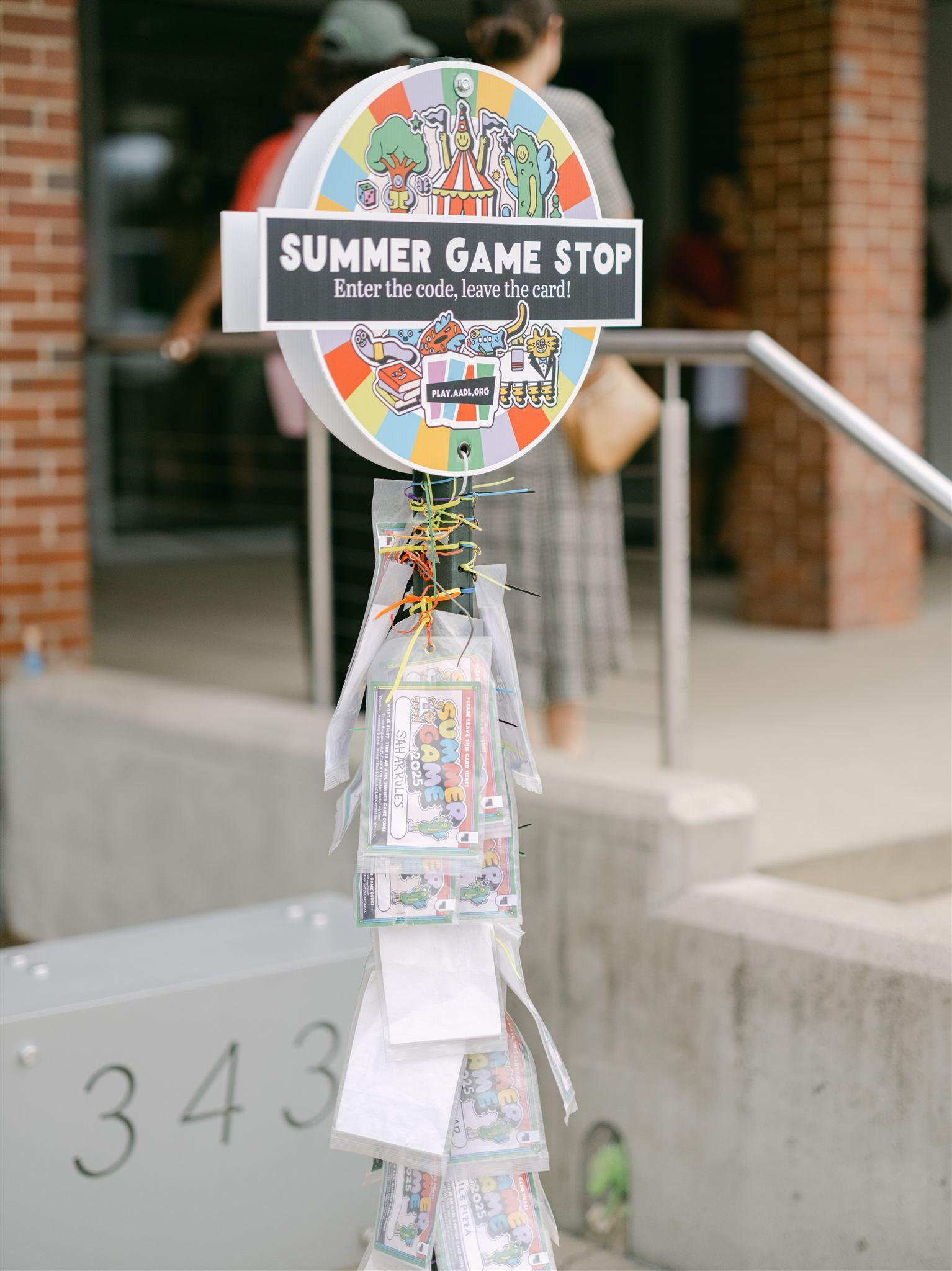
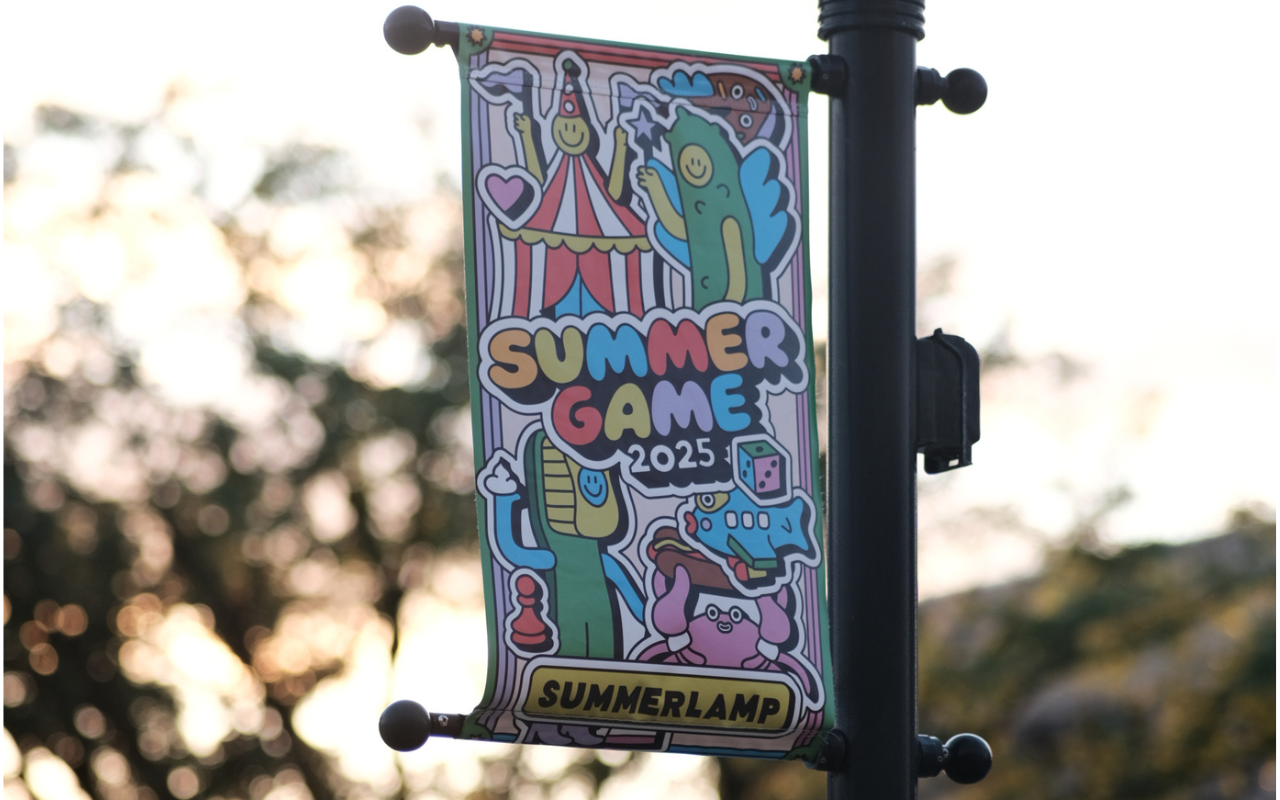
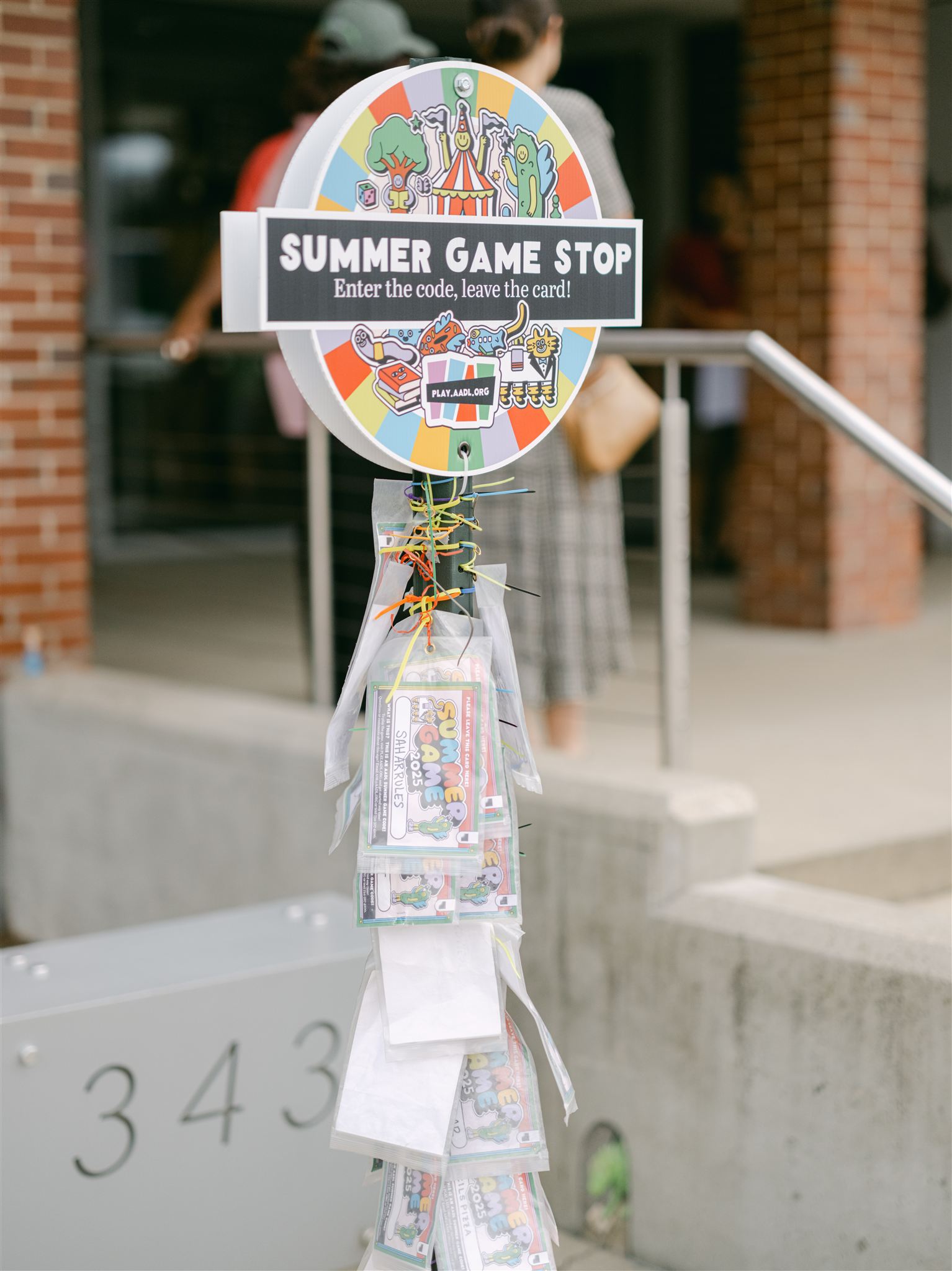
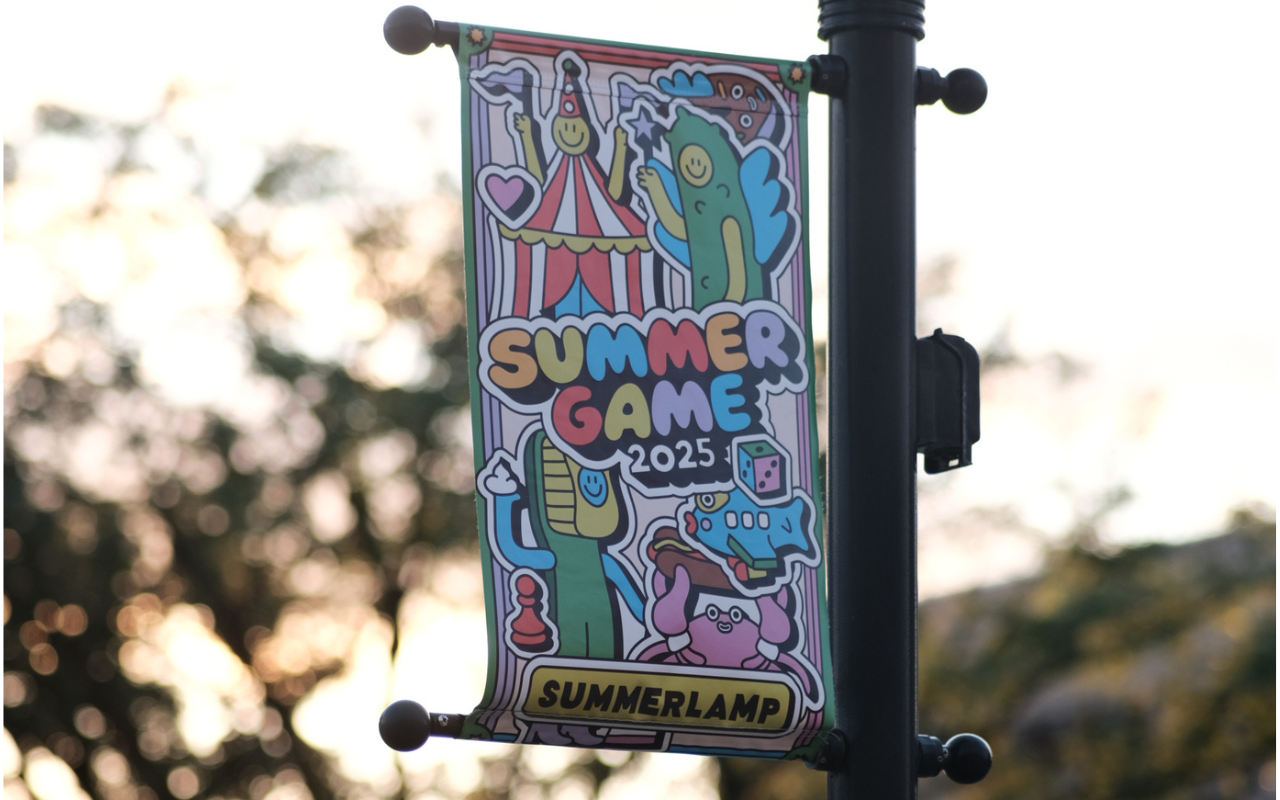
City dwellers are used to seeing lawn signs for politicians and reminders to pick up after their dogs. But during the summer in Ann Arbor, Michigan, a different kind of sign begins sprouting up across the city. These colorful, circular signs aren’t for an upcoming election but instead “lawn codes” associated with the Ann Arbor District Library’s (AADL) Summer Game.

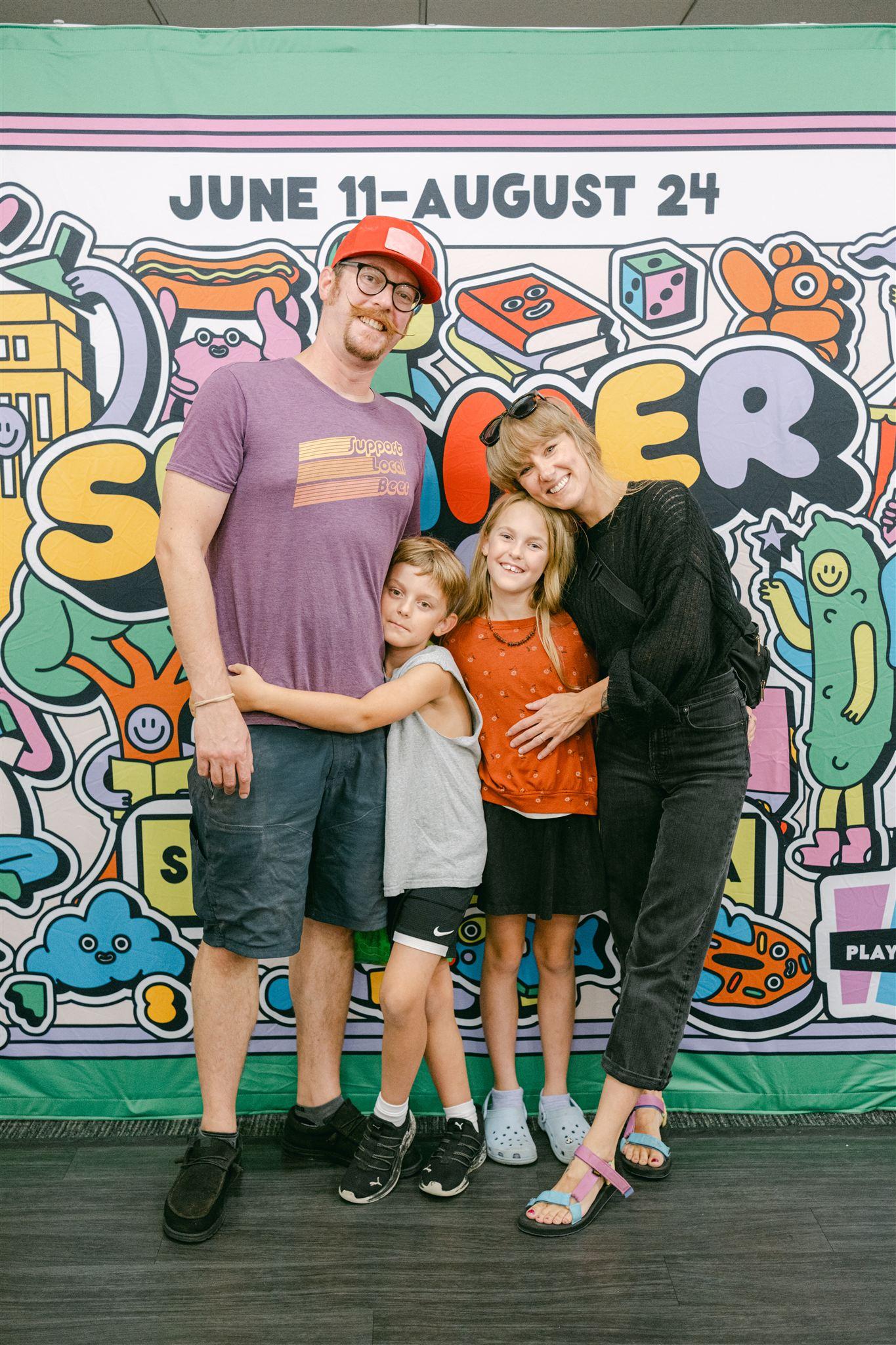
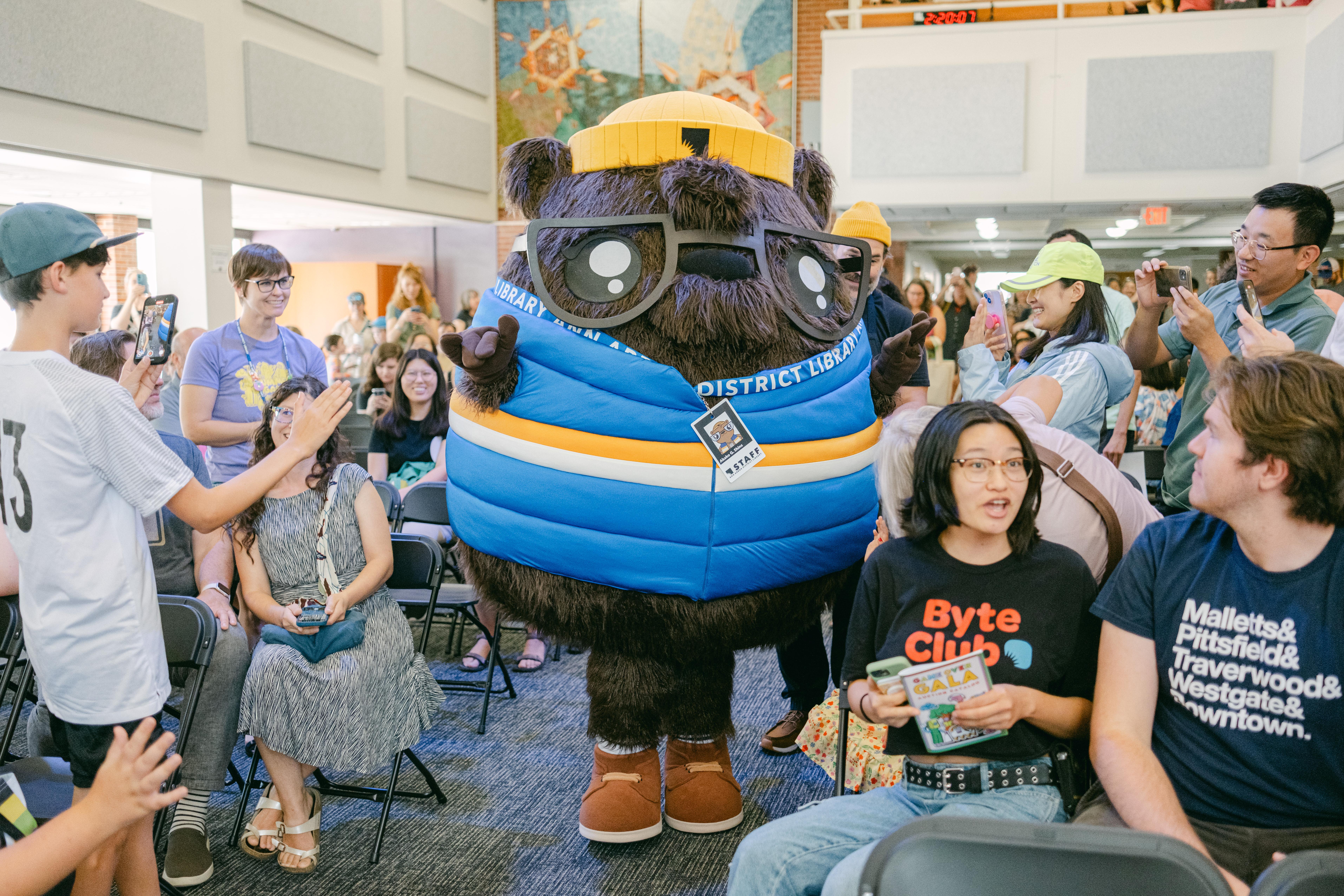
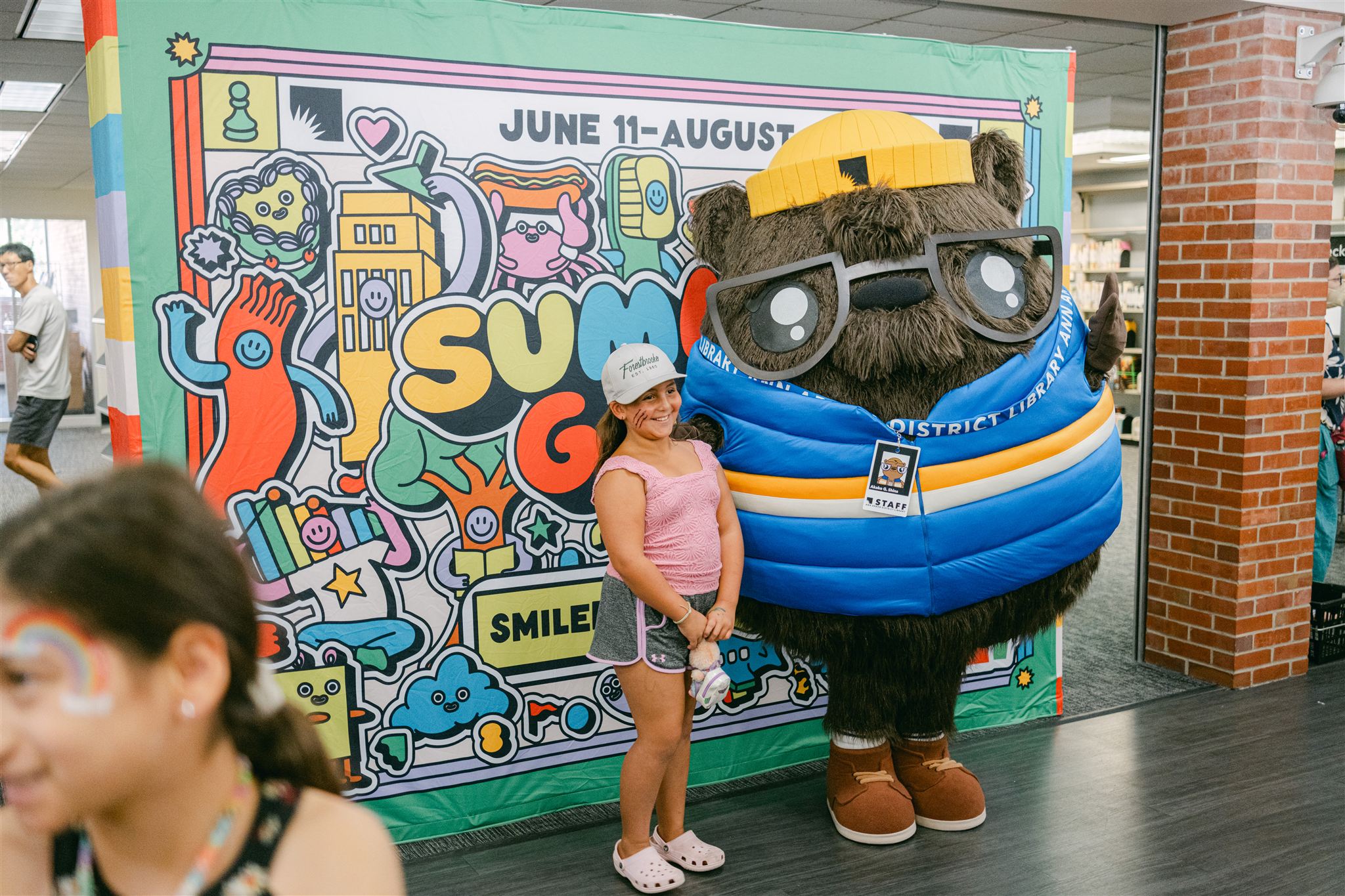
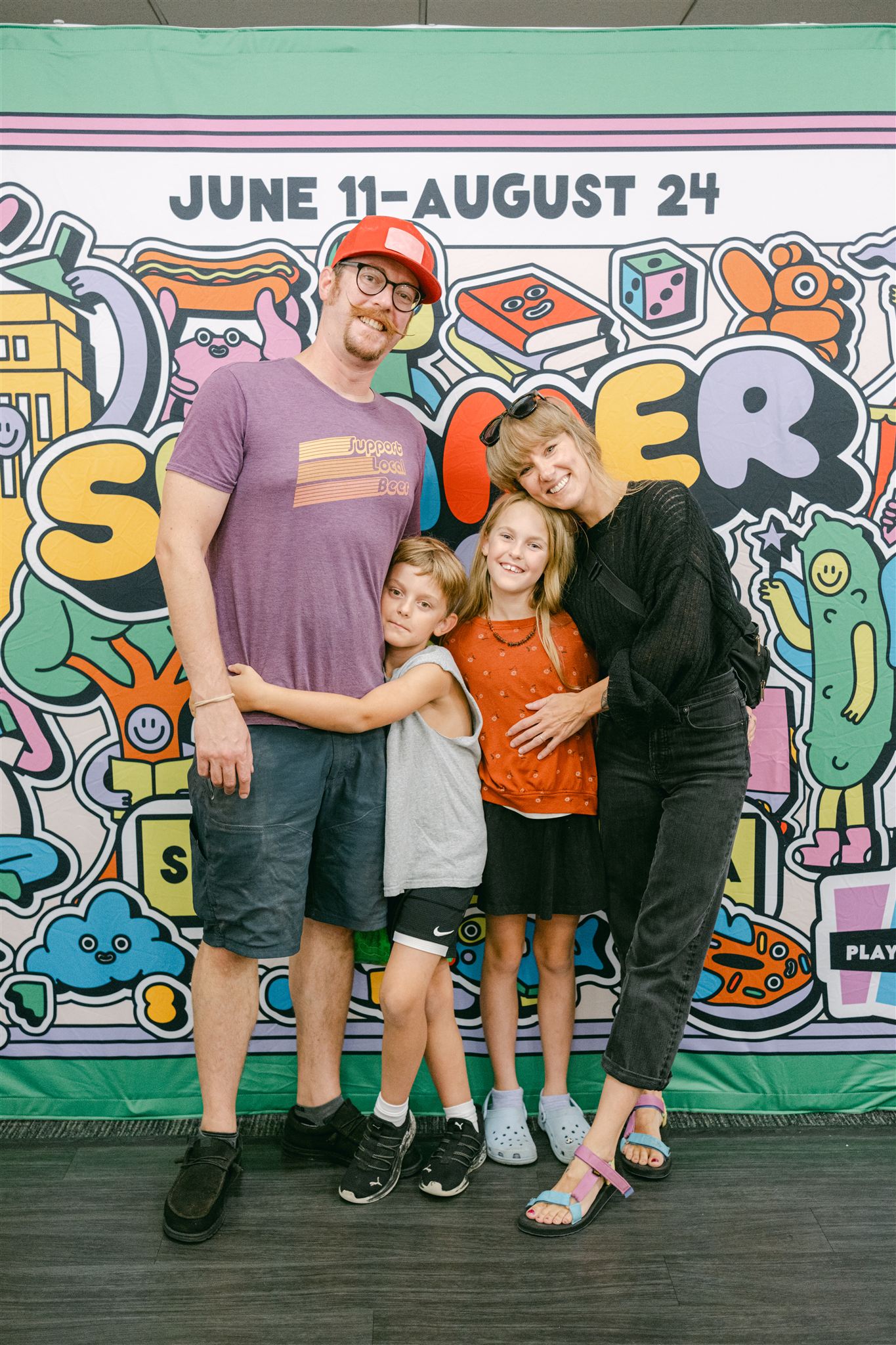
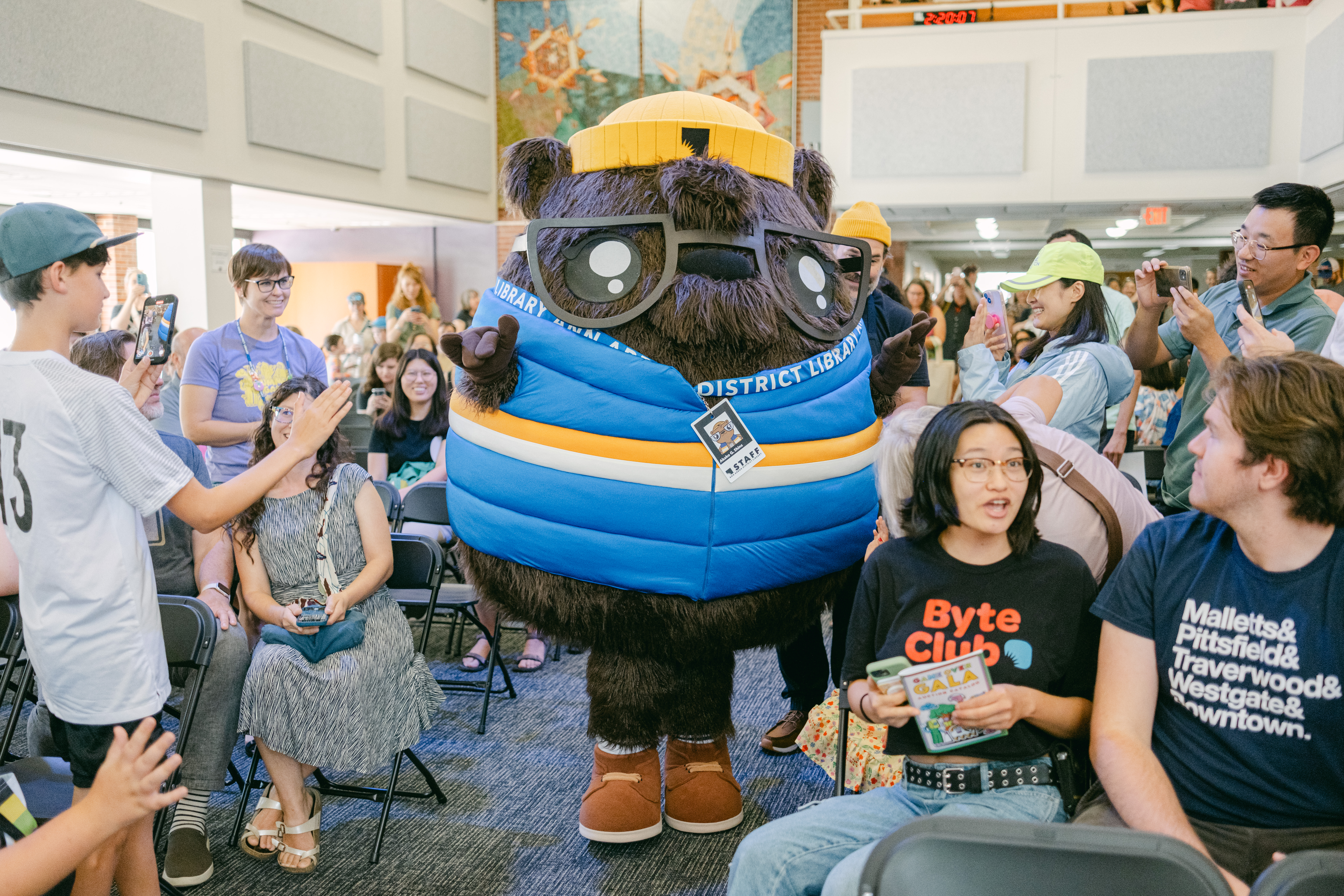
A summer-long library event that has activated an entire community, created proud library users, and even sparked a marriage, the Summer Game is everywhere you look in Ann Arbor, running from the last day of school in June through the end of August. Playable across various community points from school buses to public parks, museums, storefronts, and the library’s catalog, the Summer Game is played by people of all ages and has become a community tradition since 2011.

Programming Librarian spoke with Emily Murphy, librarian at AADL and one of the minds behind the game. A Summer Game player for years before joining AADL, Murphy was well-equipped to handle Summer Game logistics when she landed the role four years ago. Murphy and the Summer Game team’s creativity and interpersonal skills are necessary for the game’s success. She talked to us about how the game works across all its variations and how its scalability enables other libraries to replicate it.

How the game works

AADL’s Summer Game is a points-based event with three ways to play: the summer reading game (classic read-ten-books, get-a-prize), explorer codes (found at physical locations across the city), and online codes (hidden in AADL’s online catalog or website). The multiple entry points make it accessible to all ages and interests. 

There’s a leaderboard, but it isn’t heavily promoted. Some players aim to crack the top ten, but the library doesn’t emphasize competition. There’s no one true winner of Summer Game. Most players simply want to “scratch the puzzle-solving itch,” Murphy says.

The summer reading component remains central as the game originated from a desire to amplify this traditional reading challenge; some participants choose to play only that way. Explorer and online codes, however, immerse players both physically and virtually in Ann Arbor and across all AADL branches. Many players engage in all three modes, though participation at any level is encouraged. 

Players earn points by entering codes found throughout the challenges, which can be redeemed for prizes in an online shop. Badges, a hugely popular feature, unlock additional points and are released as themed puzzle challenges every Friday at noon. Many are solved using the library’s digital catalog.
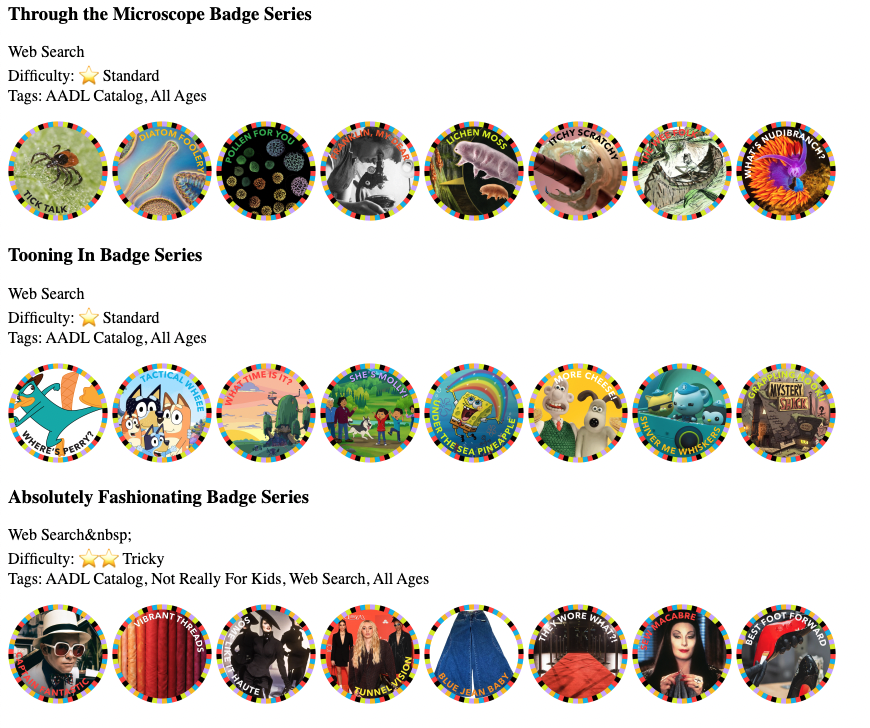
A selection of the digital badges Summer Game players could earn in 2025. Players are given clues that lead to particular catalog records with codes that are embedded in them. When players find all of the codes associated with the badge, they earn the digital image (and get a points bonus).

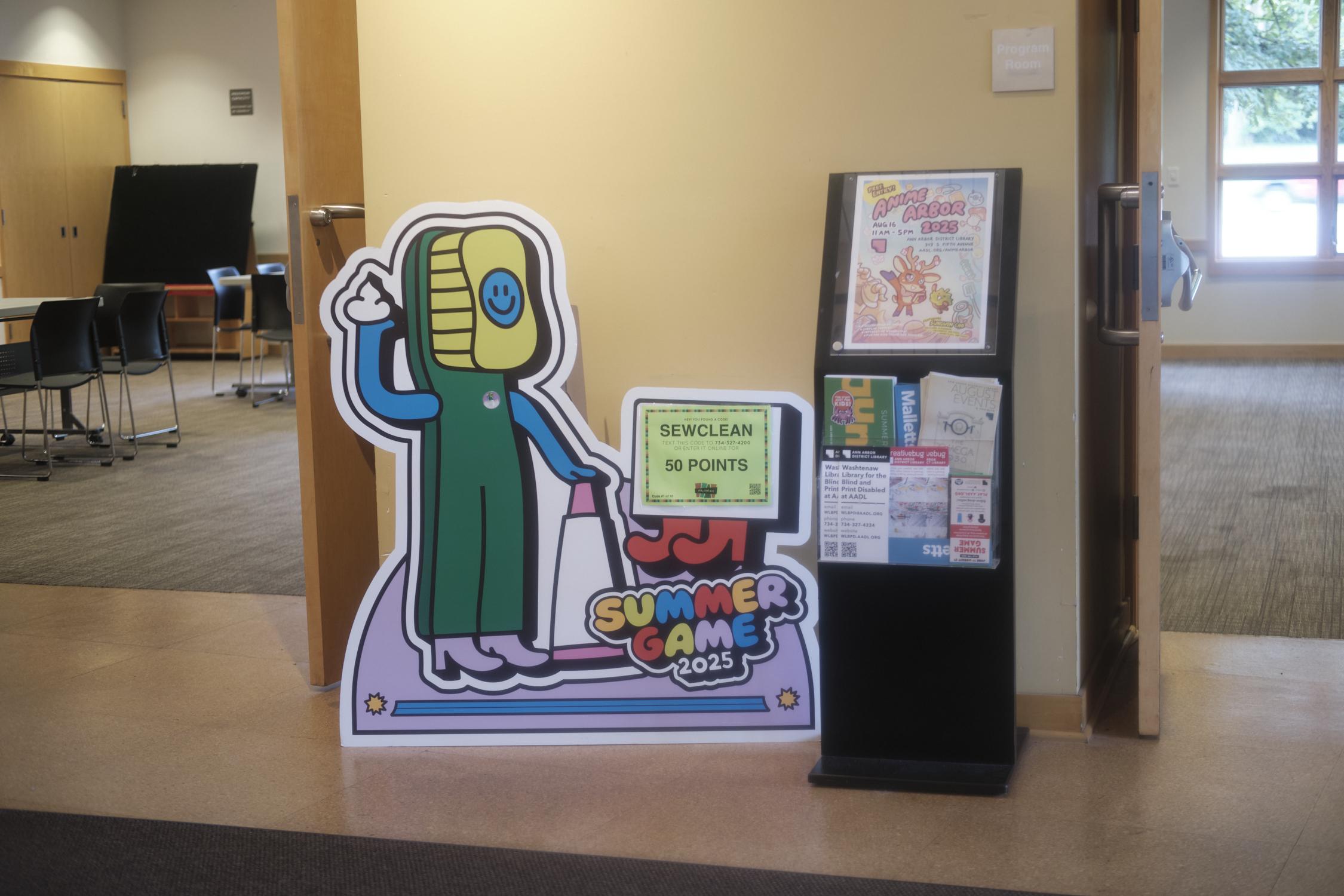
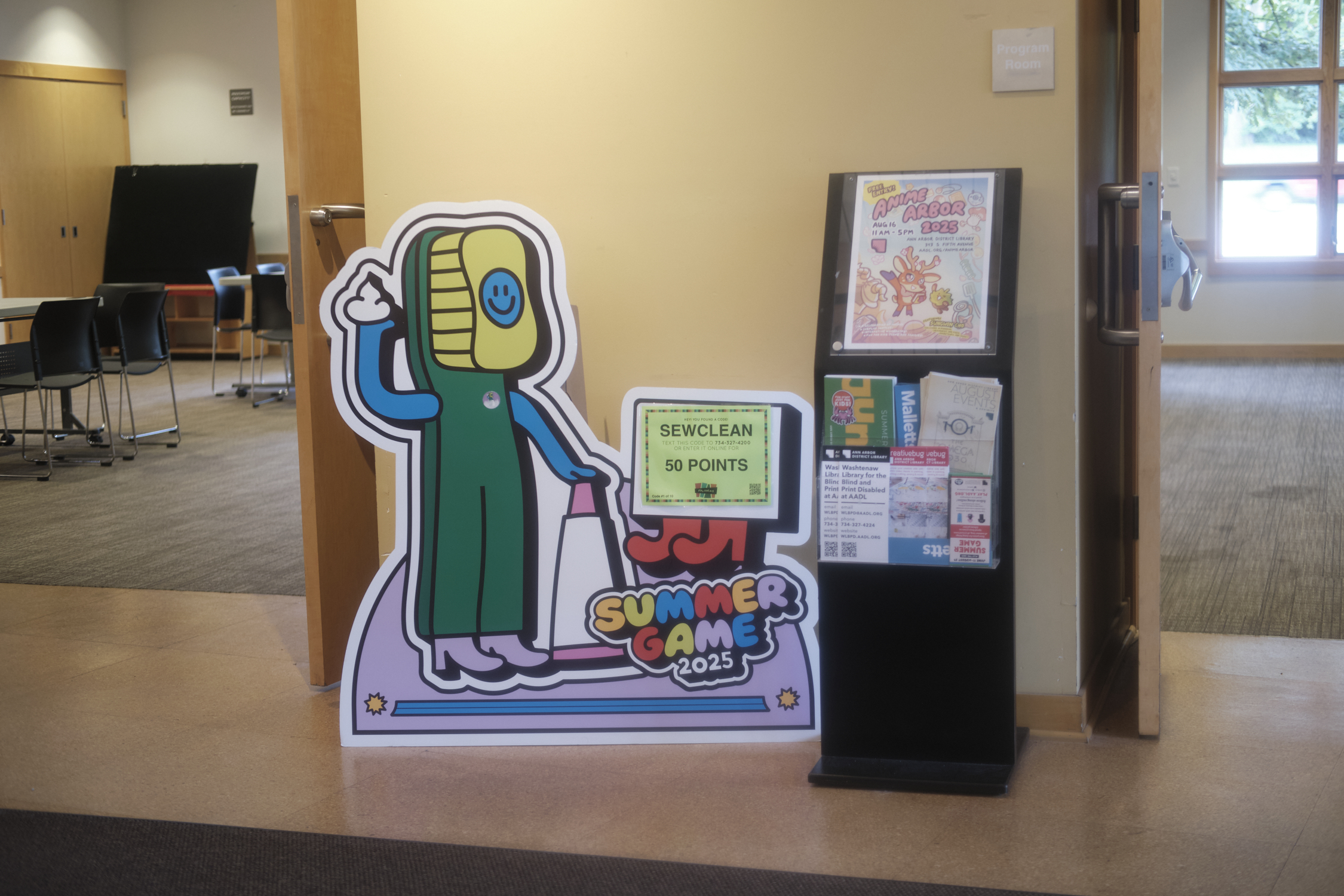
Explorer codes are the most community-focused elements. They appear on thousands of lawn signs, in shop windows, in museums, at library events, anywhere out in the community. Lawn codes became especially meaningful during the pandemic, helping neighbors connect, and they continue to build community today.

Badges can also be earned through partner locations. The Parks and Recreation Department, for example, had a code on its Adopt-a-Park page.

“We aren’t putting up new signs for codes in parks or museums,” Murphy says. “But the clues and codes align with what is already there, like a word on a plaque or part of a mural. We have to ask ourselves: what cool things in the community have words that we can use for scavenger hunts?” 

AADL staff also conduct school visits in May to promote summer library programs. Each Ann Arbor public school gets its own unique code for students to kick off gameplay.

How is this even put together?

Planning for an event that reached 17,000 players in 2025, and continues to grow, begins early. When I spoke to Murphy in mid-February, she was already writing puzzles and creating challenges for the summer.

A core team of ten staff members manages game content and makes badges. Two members of the team, including Murphy, are given the title of “co-producer and run game logistics. As summer approaches, Murphy says, “it becomes a whole library thing.”

Front-facing staff are encouraged to play so they can answer questions. Maintenance staff hang banners and manage increased foot traffic. Marketing handles artwork, social media, and countdown promotion. And three in-house web developers ensure the website can handle increased traffic, build playable online puzzles, and maintain the online prize shop. 
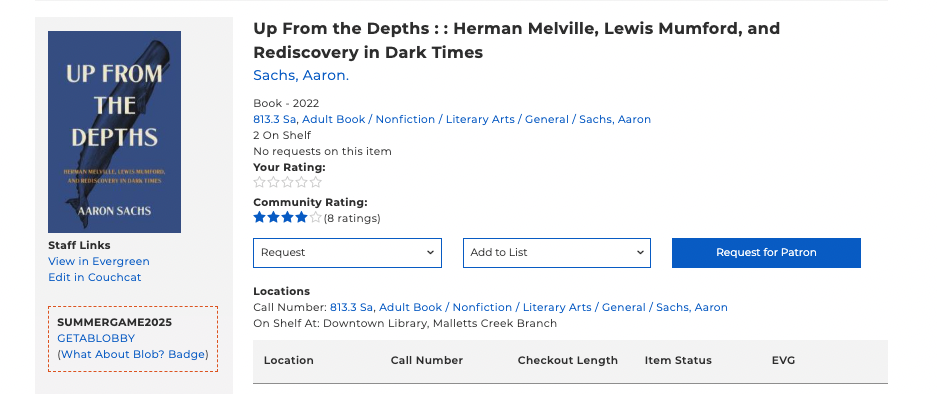
An example of a Summer Game code found in a catalog record. Players were given a clue that pointed them to find this record. Summer game codes don't have to be punny, but it's definitely a tone of the game.

Timing is critical; some elements can’t be finalized too early. Catalog badges, for example, can’t be prepared in February because the catalog will change by June. These badges are dependent on catalog search results remaining accurate throughout the summer.

 â€śWe’ve promised that if a player makes the correct catalog search, the item will appear in the first ten results,” Murphy says. “We have to keep up with any catalog and search result changes so badges still work.”

Friday badge drops happen precisely at noon. “If we’re late,” Murphy says, “players are asking at 12:01 where the badges are. It’s delightful, but it requires a lot of planning.”
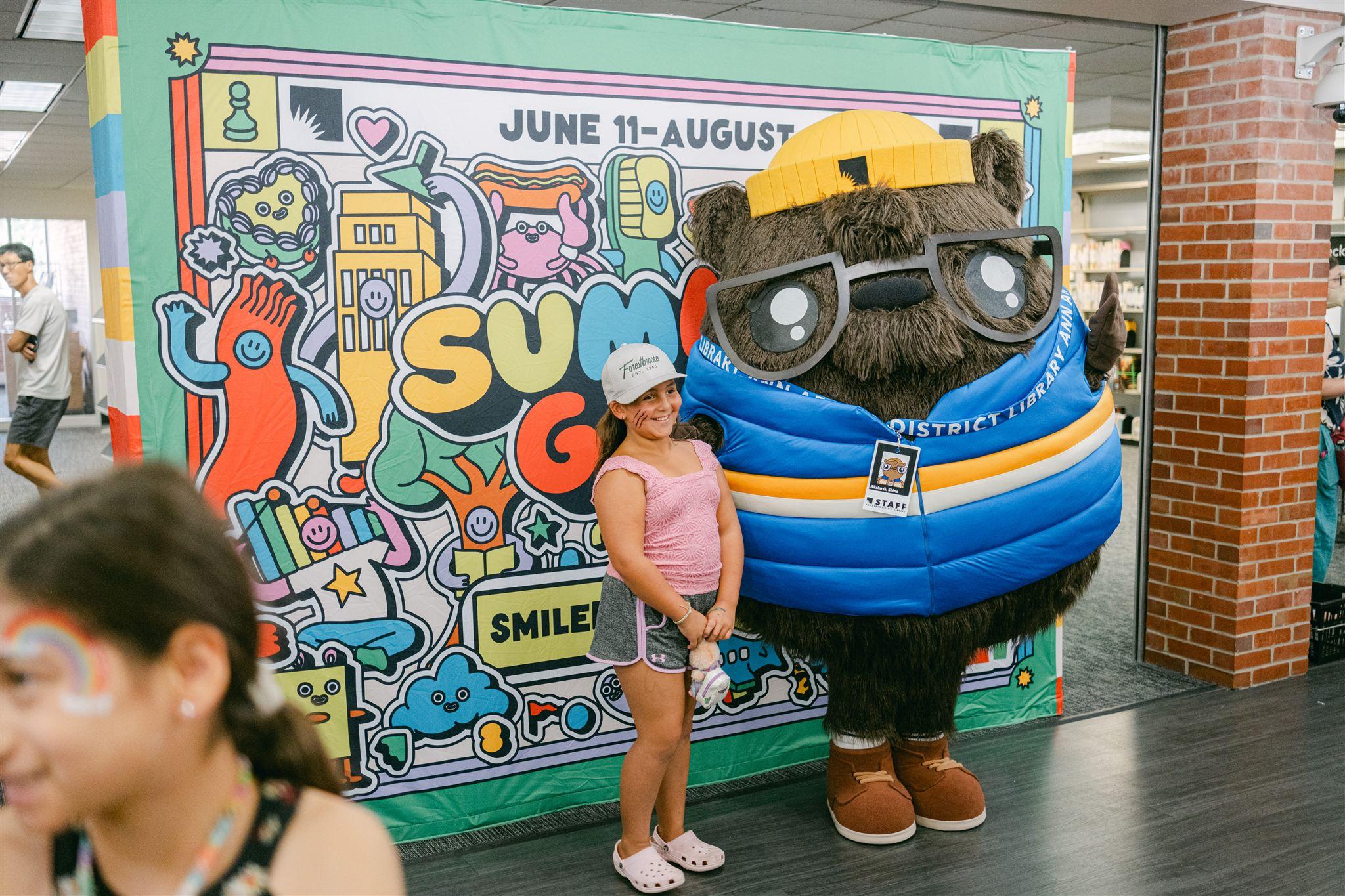
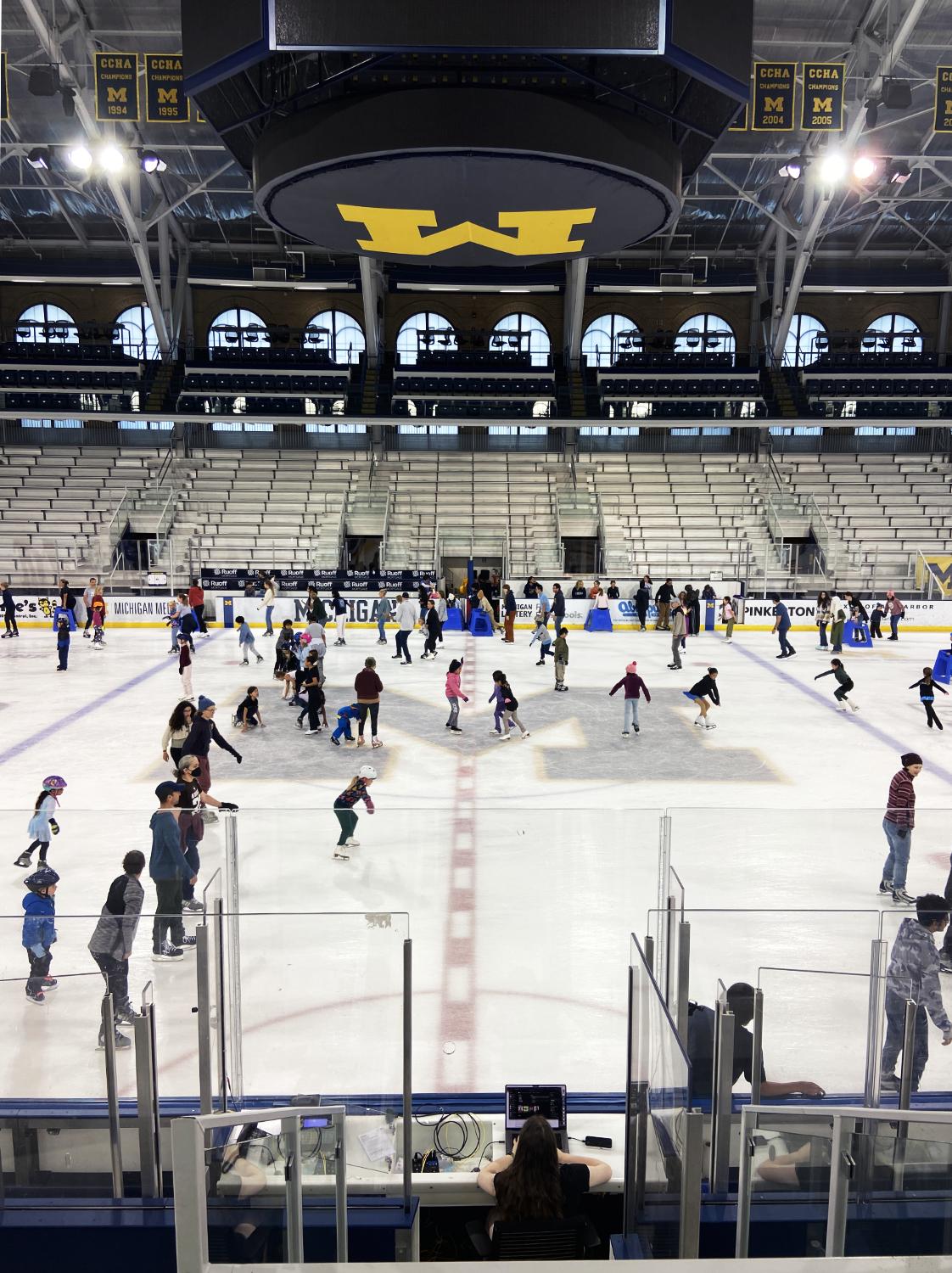
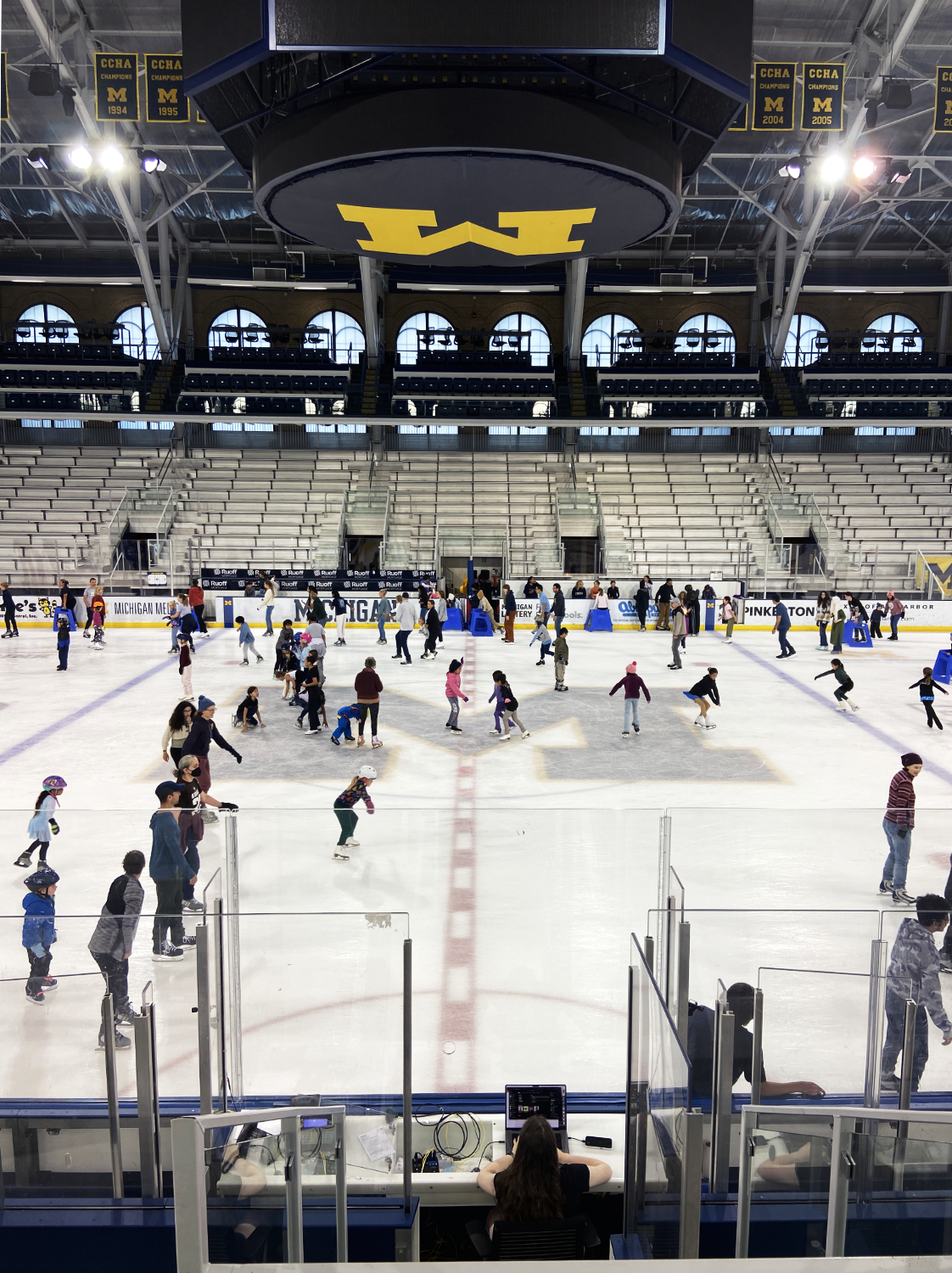
Summer Game Skate is a tradition that began in 2024 at Yost Ice Arena, home of the University of Michigan hockey teams. The library rents out the whole place, so there's no charge for skate rentals or entry.

thumbnail
thumbnail
thumbnail
thumbnail
thumbnail
thumbnail
thumbnail
thumbnail

The game sells itself

A game that physically integrates into community spaces will naturally lead to conversations. Murphy says that even in the winter months, people approach her about the upcoming summer’s plushie prize (a new plushie animal is available in the shop each summer).

Prizes double as marketing tools. While speaking to Murphy on Zoom, she tells me the posters covering the wall behind her were all Summer Game prizes, as was the t-shirt she was wearing. 

“We want our prizes to be good quality and cool,” Murphy says. “We want people to show off their prizes not because they were free, but because they’re proud.”

Even if you’re a casual Summer Game player who doesn’t keep up with countdowns on social media, once those lawn signs start coming out, you remember that it’s time to start playing. Traditional marketing in newspapers and on billboards supports the buzz and often includes game codes. 

“The game builds its own hype,” Murphy says, “We do sneak peeks ahead of time, but it markets itself year-round.”

Flexibility and fun

As more players discover the game, Murphy and the game producers must consider who those players are, including players whose first language isn’t English.

“While wordplay and punning are still huge parts of the game, we try not to use them in ways that make it so it’s the only way to find the answer,” Murphy says. Hints help players unfamiliar with certain idioms.

Player expectations are also changing as the game grows, but it’s important for AADL staff to know that, with an audience this large, “the thing that someone loves is the thing that someone hates.” 

Feedback is reviewed annually and allows for tweaks and new puzzle additions. Popular elements may become new classics while less successful ones are retired.

Look at summer reading differently

When AADL pivoted its traditional summer reading challenge to the Summer Game in 2011, it changed how people experience the library.

“People are coming to the library for fun, not something academic,” Murphy says. “But they’re still learning how to use the catalog and explore all our branches and resources.”

While AADL benefits from strong in-house technical support, Murphy says that technology is not the heart of the game. “Prizes and codes are the bells and whistles. The fun is solving puzzles and feeling like you succeeded and earned something. Whether that’s through wordplay, catalog scavenger hunts, or finding something new in your community.”

The Summer Game web code is open access but requires customization. Libraries with web developers can adapt, though Murphy stresses that tech skills are not necessary to begin.

In your library, no matter what size, start with the basics. Murphy suggests scaled-down scavenger hunts and word/code searches within your library for prizes. Traditional physical summer reading badges and bingo cards work with no tech involved. Scale according to staff capacity and community interest. 

You also don’t need to live in Ann Arbor to participate. The 2026 Summer Game launches on June 9 and can be played digitally from anywhere (though you’ll need to plan a visit to Ann Arbor to pick up your prizes). Murphy encourages curious library workers to try it themselves for inspiration or to simply play as a puzzle or game lover.

“On any scale,” Murphy says, “what really makes it successful is that it's not just for kids, it's not just reading. Summer Game is for everyone. Plus, it's fun.”


Interpersonal Skills and Creativity are two of the nine programming competencies identified by ALA's National Impact of Library Public Programs Assessment (NILPPA).

This article is made possible in part by the Institute of Museum and Library Services grant number RE-256725-OLS-24.