Art Around the World is a drop-in art experience for school-age children, offered over multiple sessions, that explores how artists across cultures use symbols, patterns and materials to tell stories. This session focuses on art inspired by Indigenous Australian traditions, inviting children to engage with dot painting, symbolism and visual storytelling. The emphasis is on curiosity, exploration and process rather than producing a finished piece.
Advanced Planning
Goals / Learning Outcomes
The heart of this series is curiosity. The program is designed to help children see art as a shared human language, one that exists across cultures and does not require words to be understood. For this session, the goal is to introduce the idea that symbols, repetition and pattern can carry meaning, and that art can be a way of telling stories about places, animals and identity.
Rather than asking children to replicate specific artworks, the focus is on exploring how artists work and giving participants the freedom to respond in their own way.
Planning Process
Art Around the World is offered over multiple sessions, with each session highlighting a different global art tradition. Planning begins several weeks in advance and includes researching age-appropriate ways to introduce each tradition thoughtfully, with particular care given to this session’s focus on art inspired by Indigenous Australian traditions.
Dot painting works especially well for this age group because it naturally encourages patience, focus, and intention, qualities that often emerge beautifully in school-age art when children are given time and the right materials.
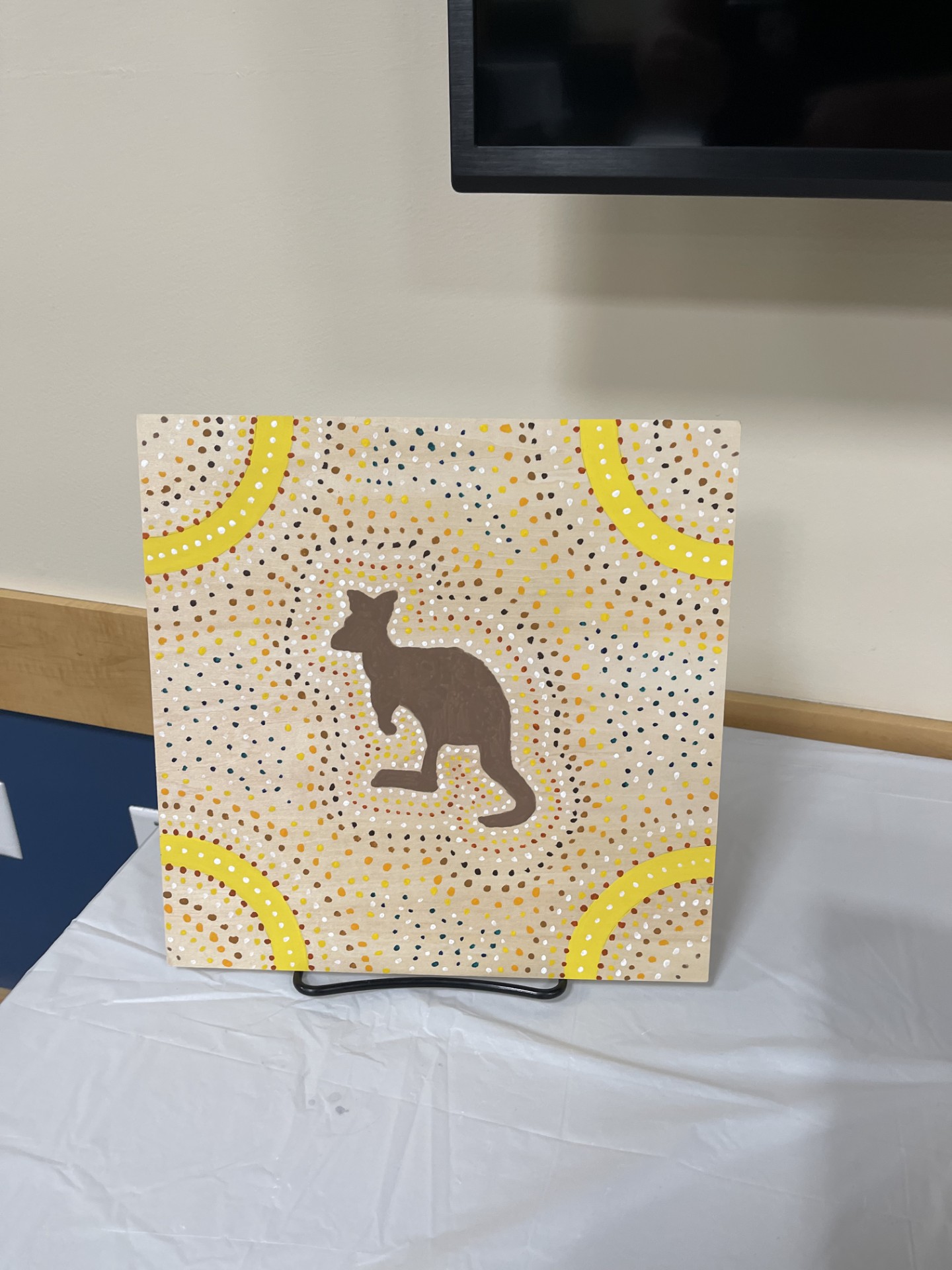
Unfinished 12” × 12” wood panels, similar to those used in laser cutting, are used to give the artwork a sense of weight and importance. The panels help shift the tone from “craft” to “art,” a distinction many children respond to immediately.
Children are invited to choose subject matter inspired by animals native to Australia, such as kangaroos, as well as symbols commonly found in Indigenous Australian art.
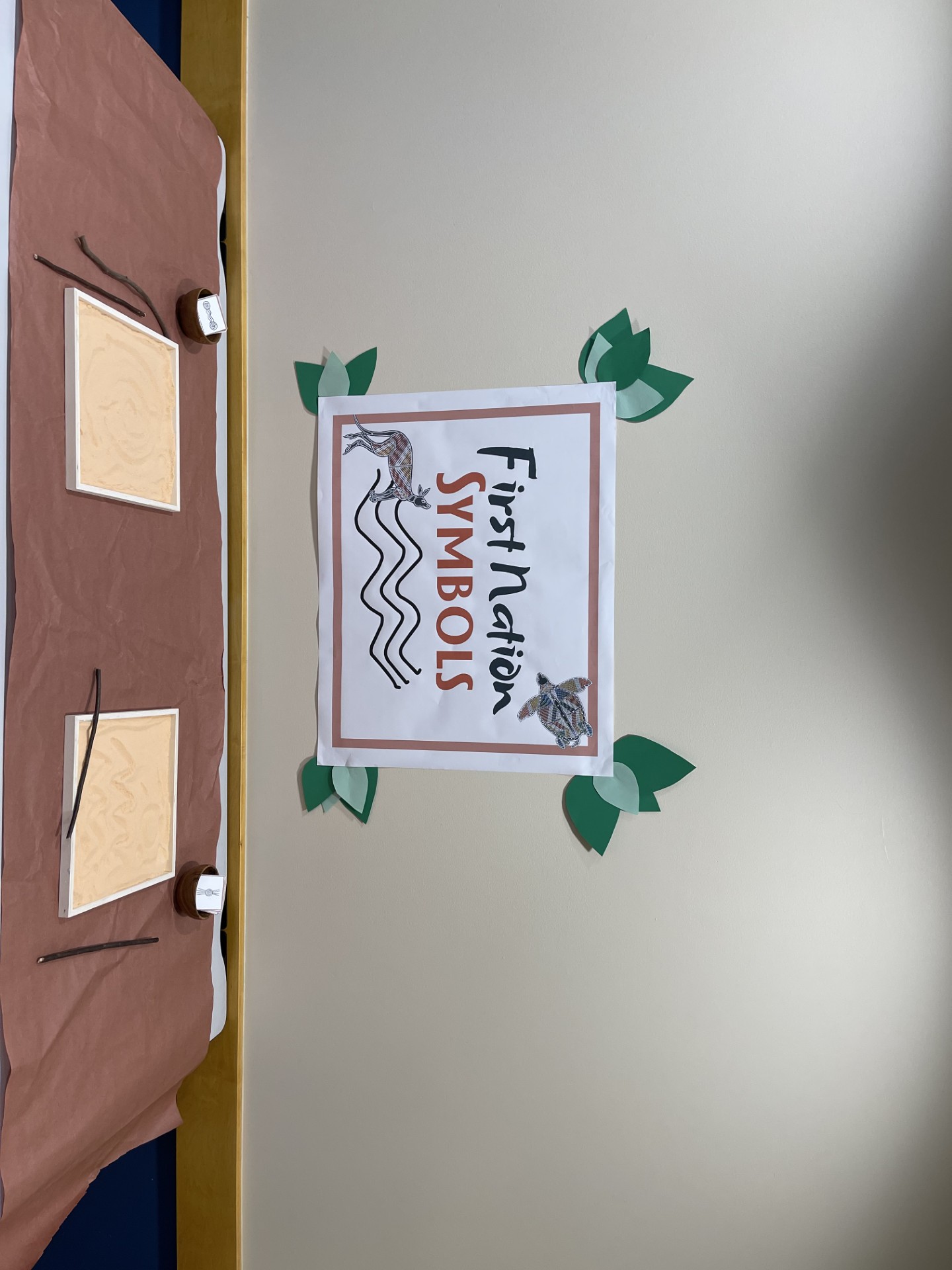
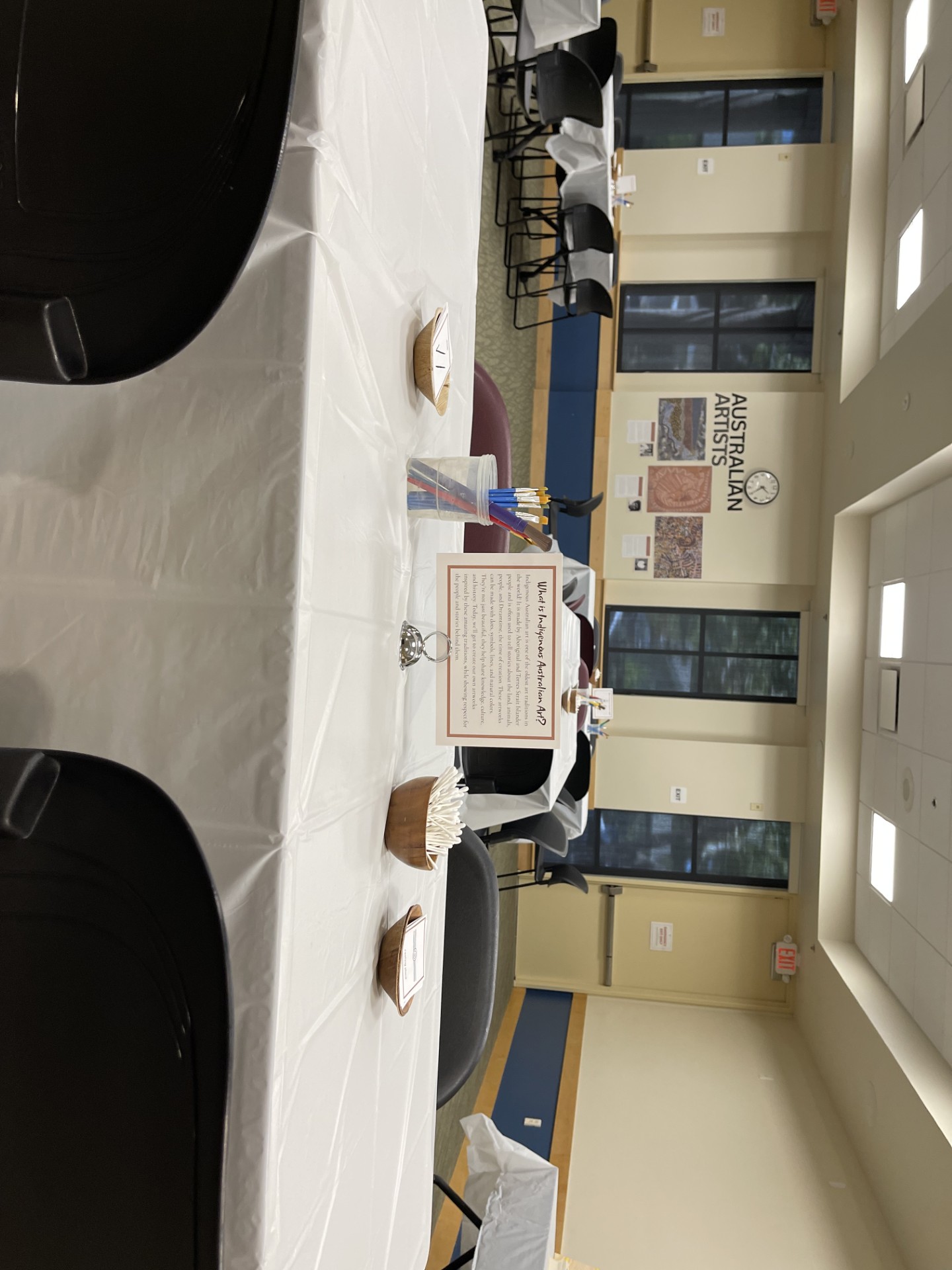
A separate practice station with colored sand allows participants to trace and experiment with symbols before committing them to paint, helping build confidence and reduce hesitation.
Marketing
The series was promoted through the library’s events calendar, on social media, and in-library signage, with each session highlighting a different part of the world. Framing the programs as a series helped build familiarity and interest, especially for families who returned after attending an earlier session.
Marketing language emphasized exploration and creativity rather than instruction, which helped families understand that this is a relaxed, open-ended experience rather than a step-by-step art class.
Budgeting
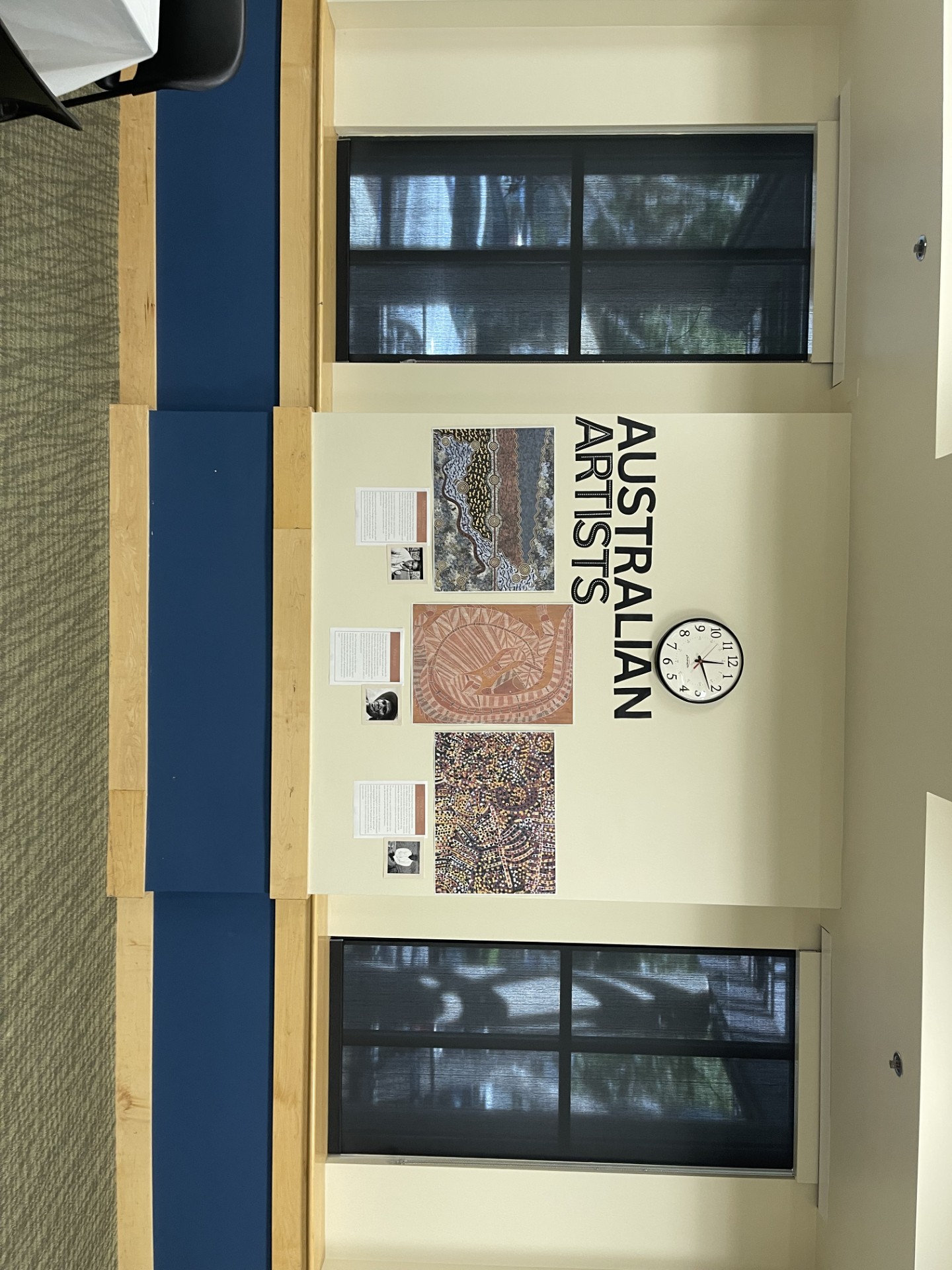
This program was designed to be affordable. The primary cost was the unfinished wood panels. Paint, brushes, sand, trays and other materials were already part of the library’s programming supplies. To add context and visual interest, I used the library’s poster printer to create a small gallery wall featuring artwork by Indigenous Australian artists, along with short bio placards.
Libraries looking to reduce costs could substitute heavy paper or cardboard for wood panels, scale down the gallery display, or reuse visual materials across multiple programs.
Day-of-event Activity
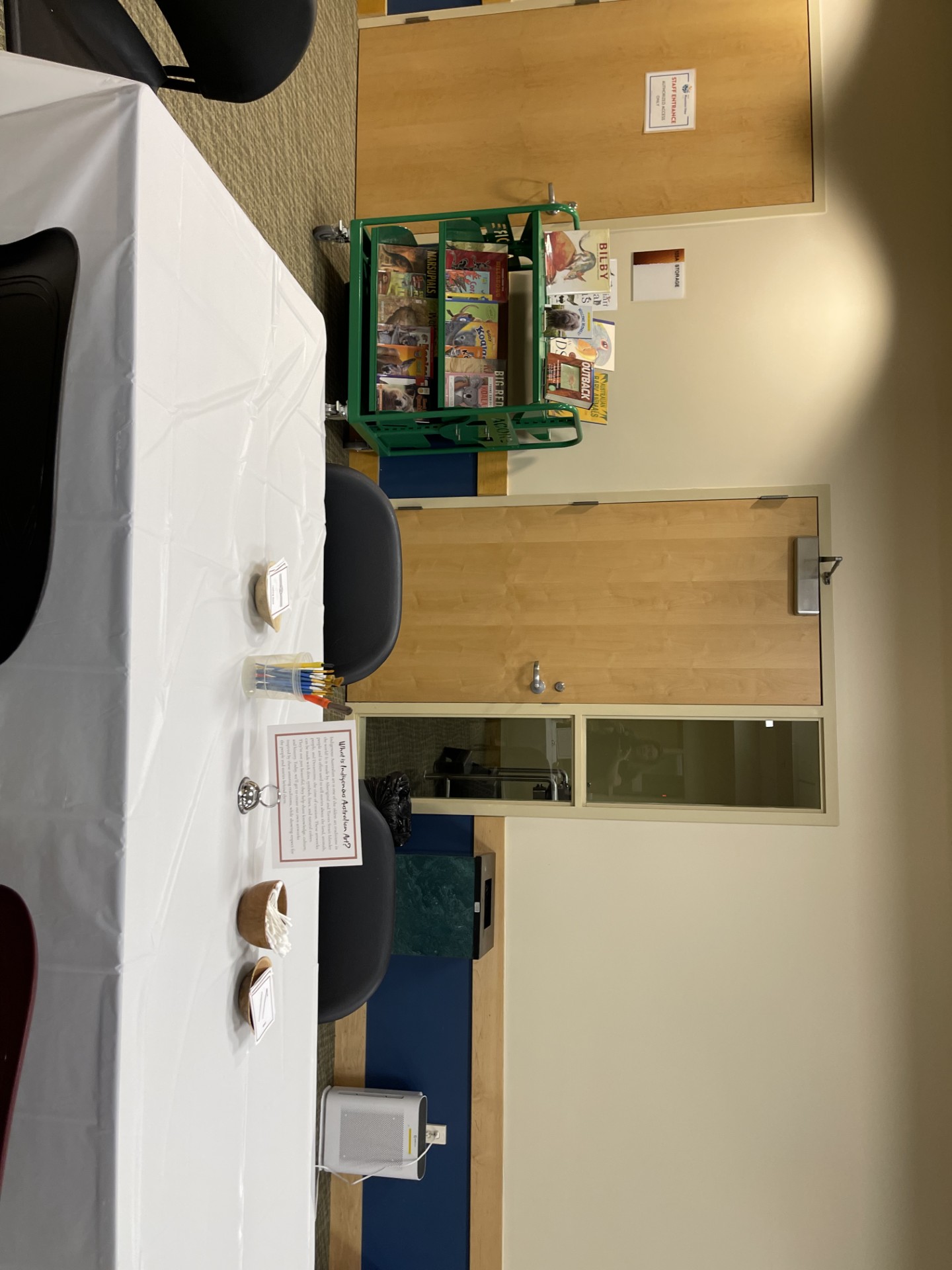
Set-up took about 60 minutes and focused on creating an inviting, calm space. Tables were arranged into distinct stations, materials were laid out thoughtfully, and the gallery wall was created to help frame the program visually. The display naturally drew children in and sparked questions before the program even began.
One to two staff members handled setup and circulated during the program to observe, support and engage in conversations with participants. Extra table coverings and wipes were helpful, especially for the paint.
Program Execution
The program ran as a drop-in experience, allowing children to move at their own pace. Some spent a long time at the sand symbol station before painting; others went straight to the wood panels and worked quietly and intently. Many children lingered over their work, carefully placing each dot and adjusting spacing and color.
Caregivers frequently commented on how focused their children were, and several mentioned that the gallery wall helped them understand the cultural context of the activity. The program achieved its goal by creating a space where children felt comfortable slowing down, experimenting and engaging deeply with both the materials and the ideas behind them.
Advice
Leave room for stillness. Programs like this work best when children aren’t rushed and aren’t worried about getting something “right.” Providing a practice area, meaningful materials, and gentle context invites deeper engagement. When introducing art inspired by global traditions, focusing on ideas and techniques, rather than imitation, creates space for respect, creativity and genuine connection.
Supporting Materials
Slideshow Images
More Programs
Awkward Art
Audiences:
Portraits by Primary Schoolers
Audiences: