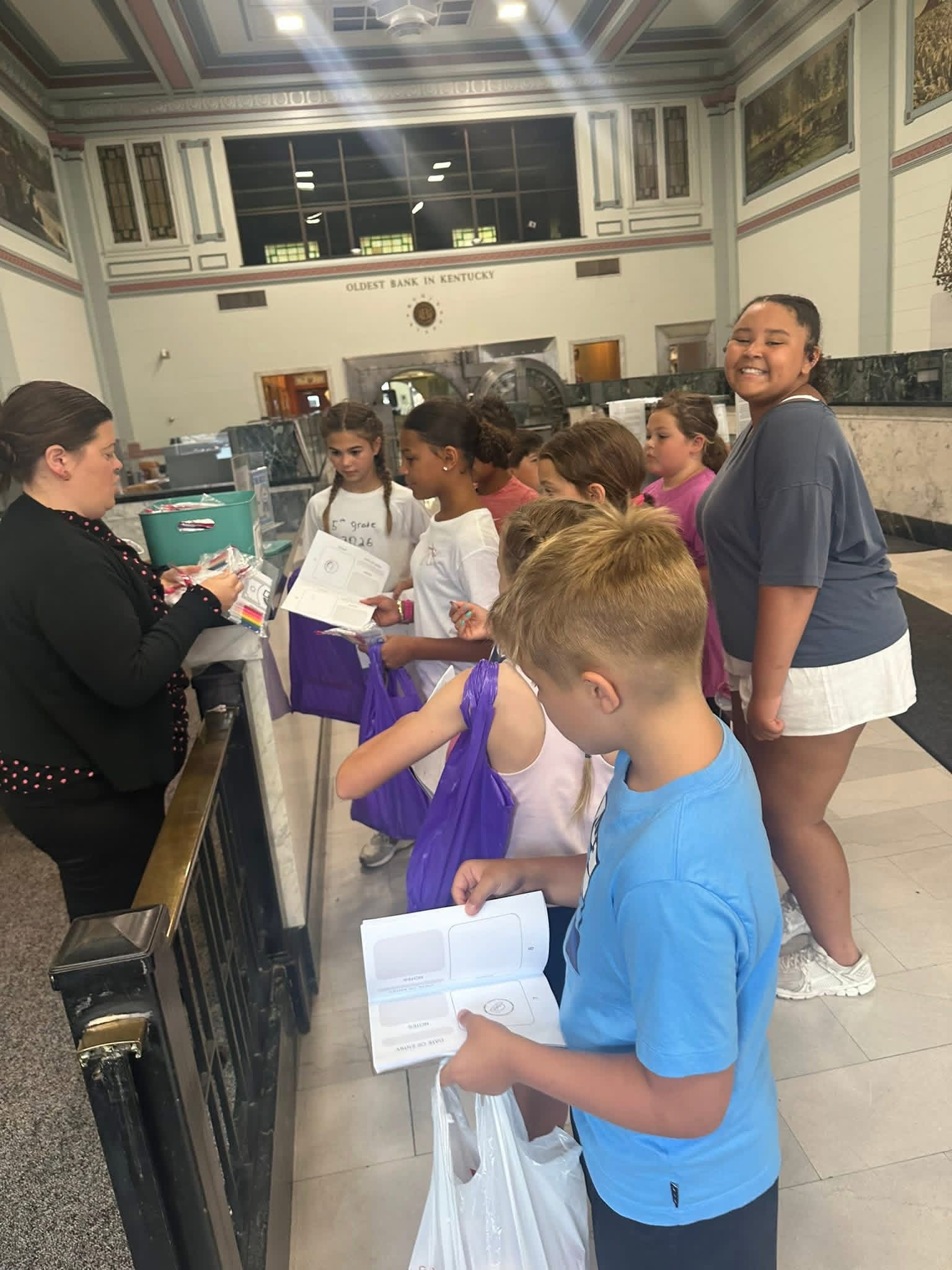
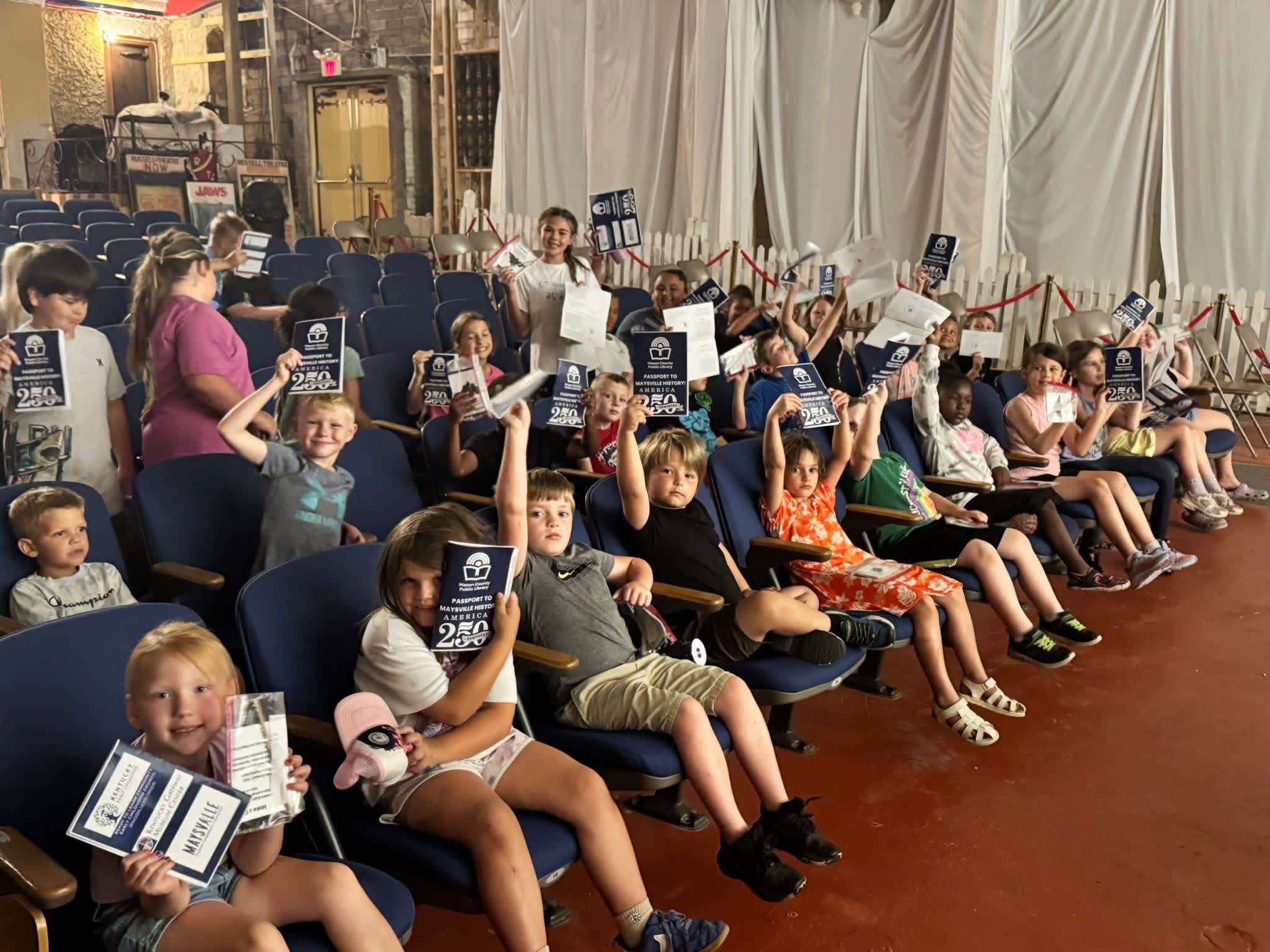
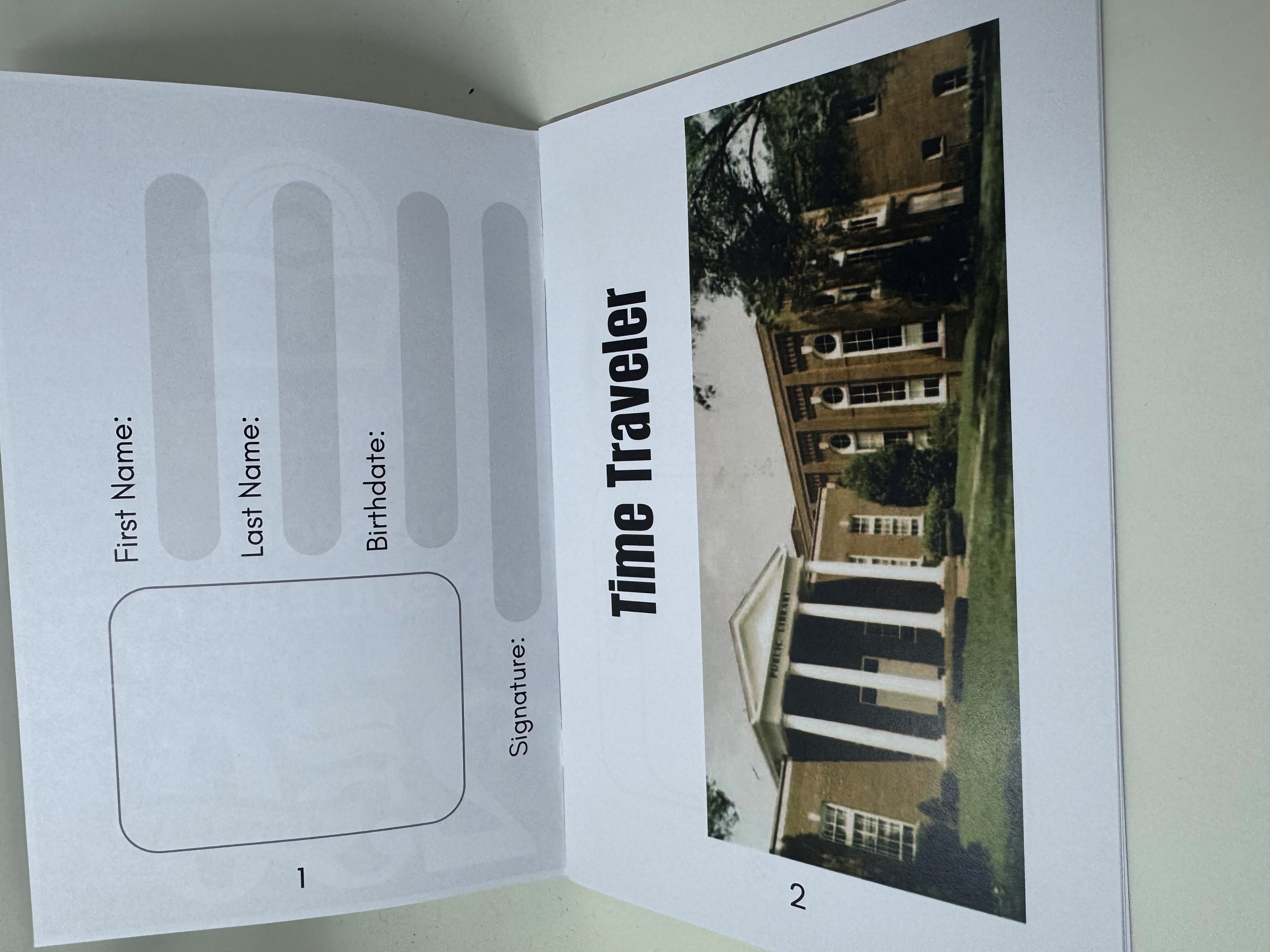
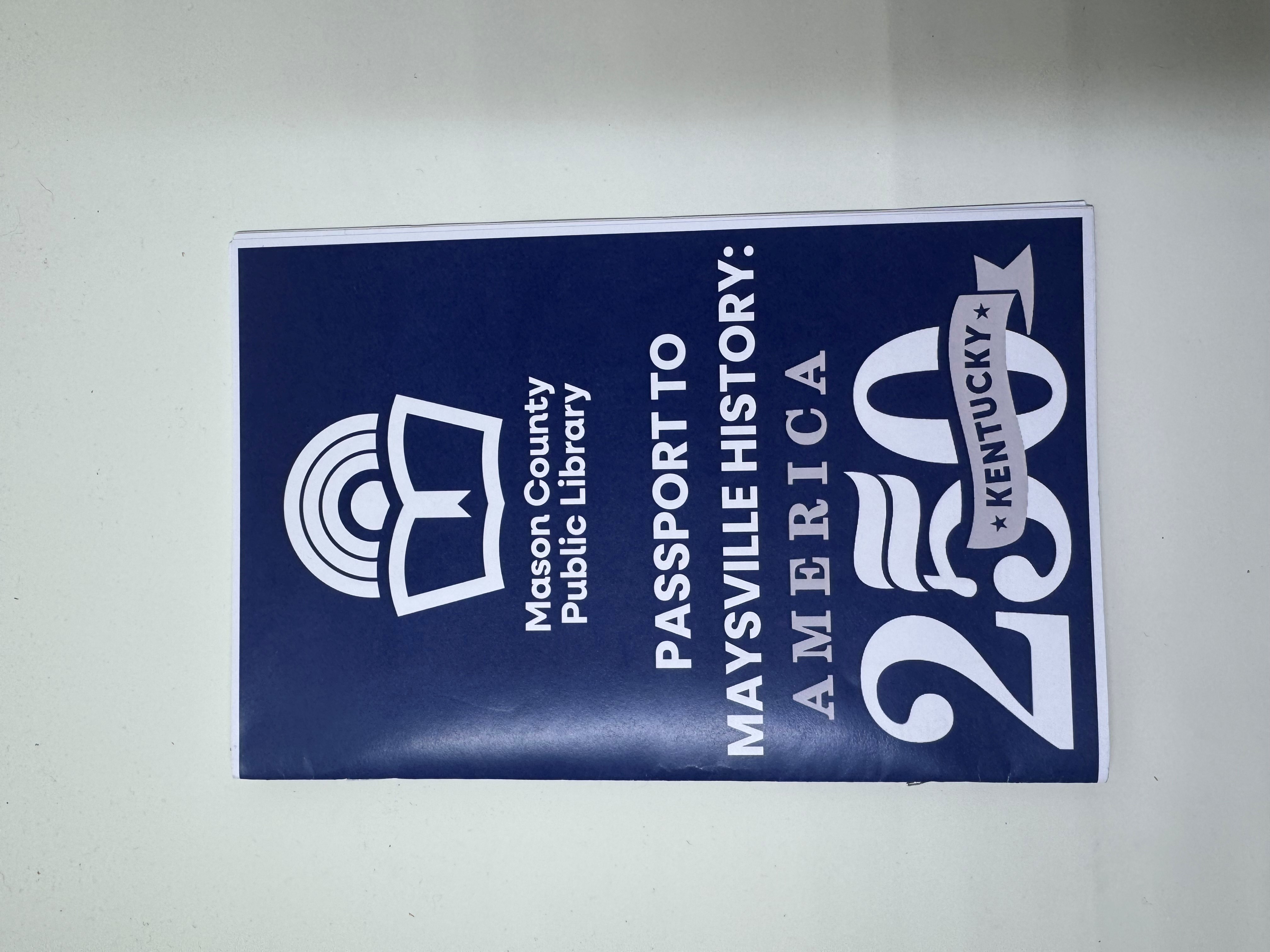
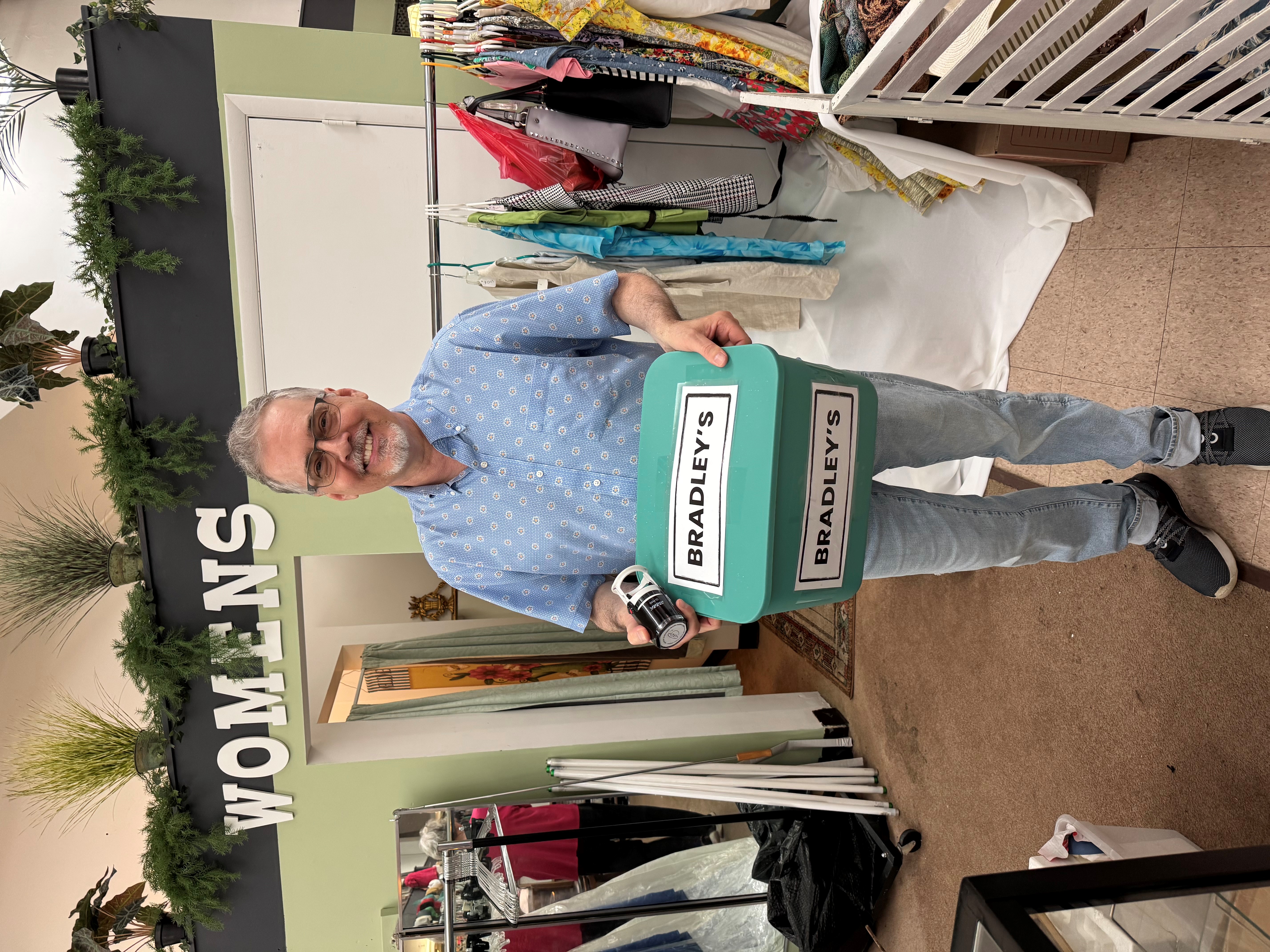
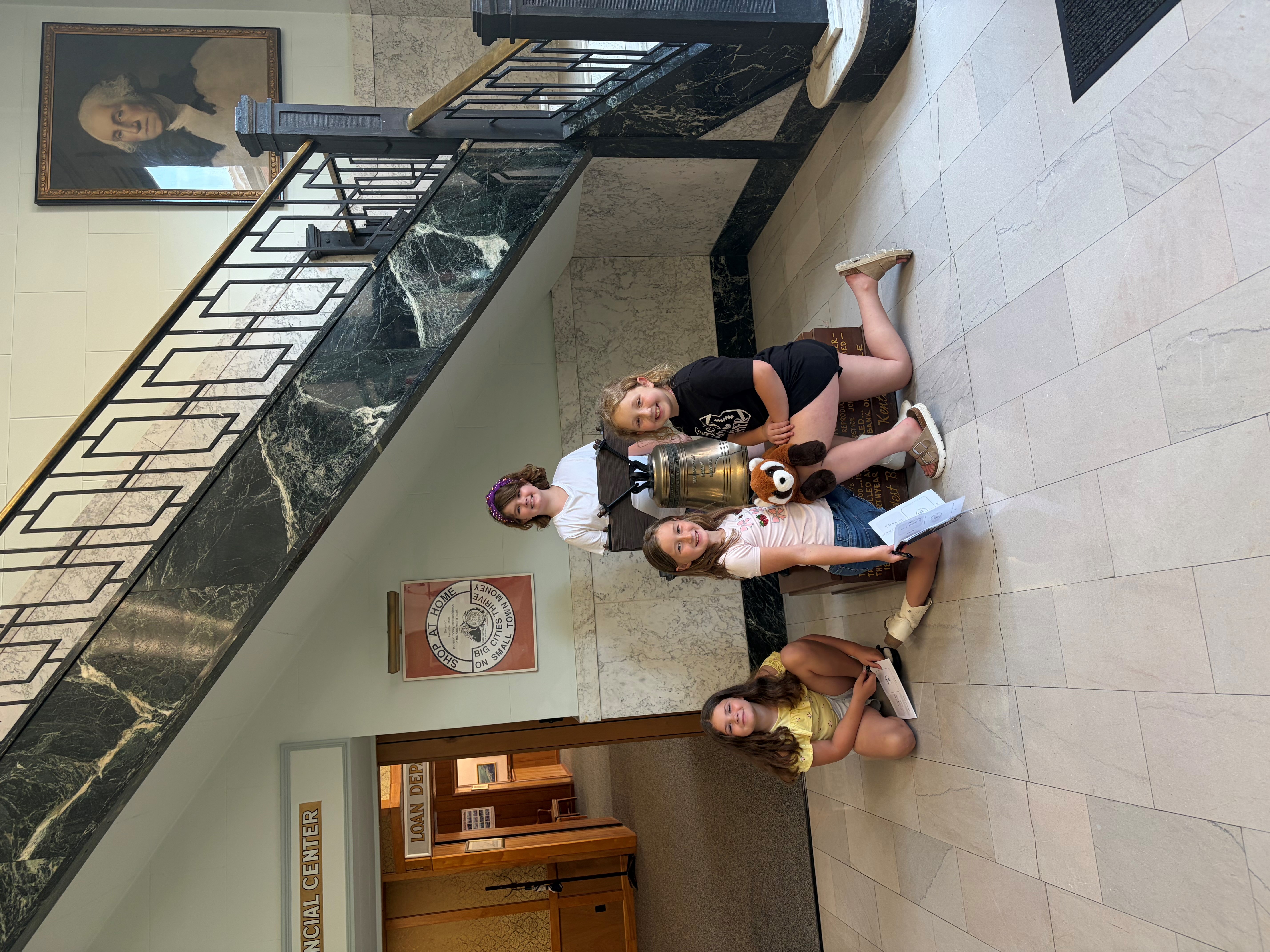
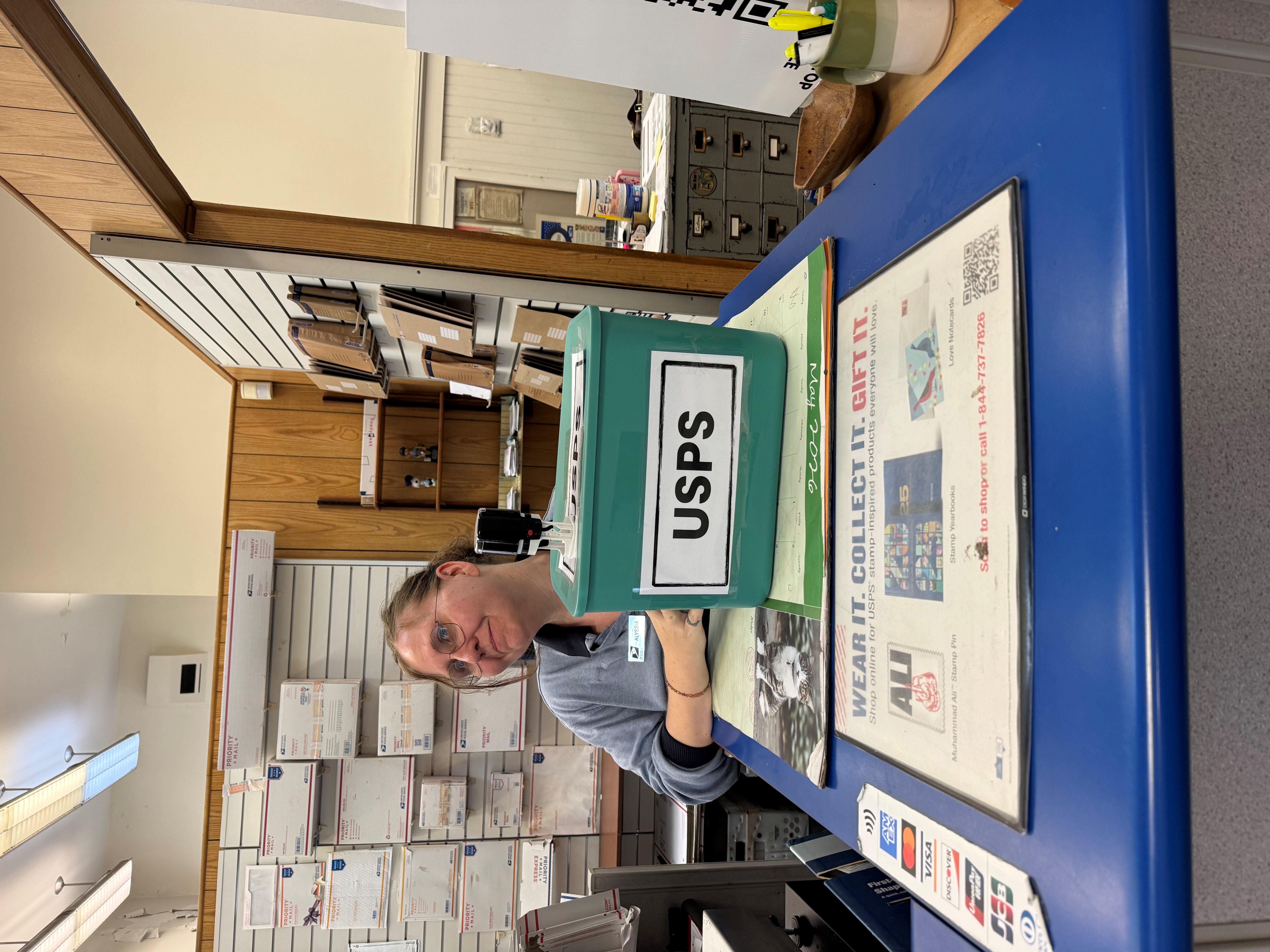
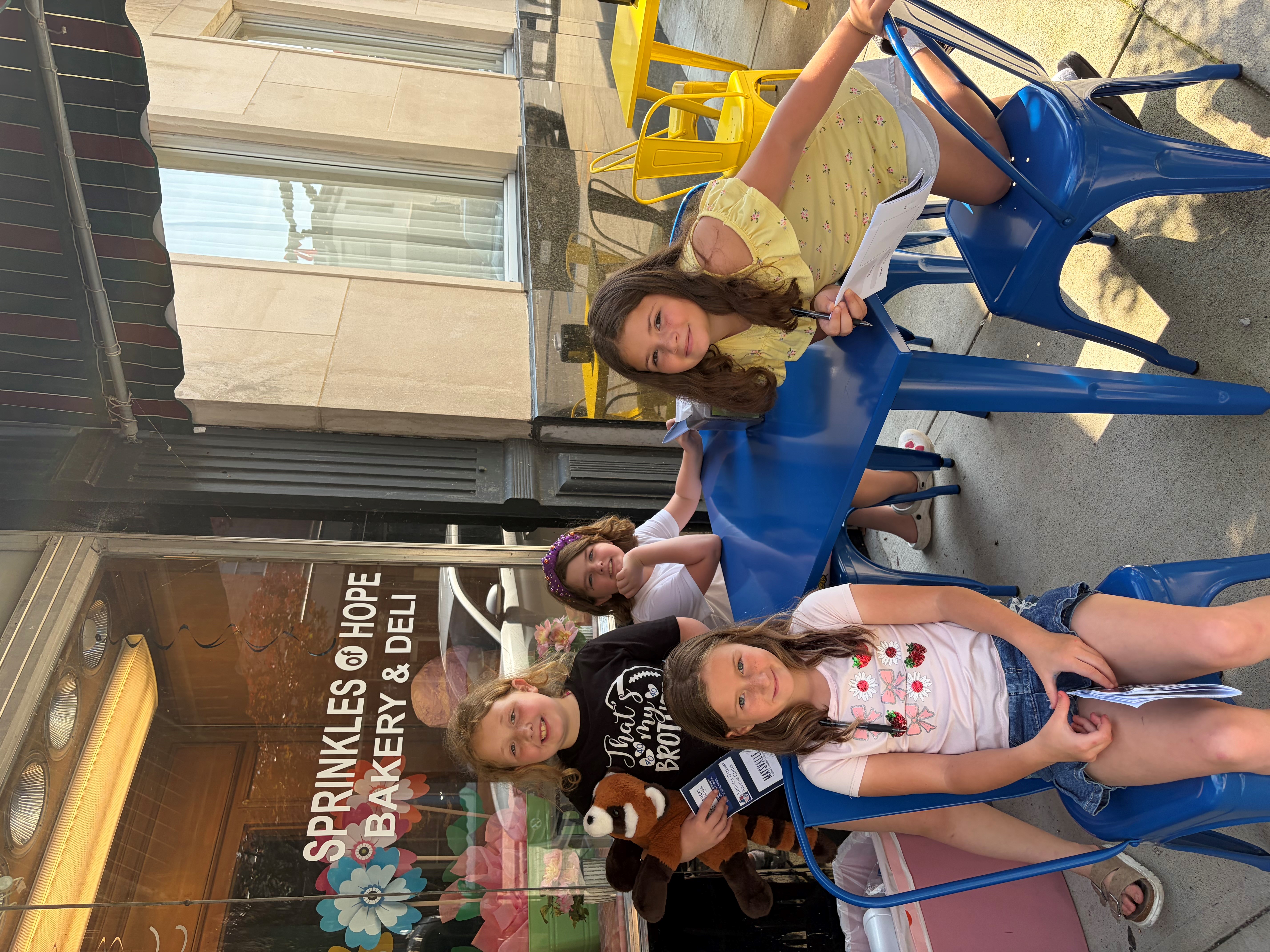
Passport to Maysville History: America 250 invites children and families to explore local history by visiting a variety of community locations, where they learn about Maysville's past through engaging activities and historical exhibits. At each stop, participants complete a themed craft and receive a passport stamp, creating a fun, interactive way to celebrate America's 250th anniversary while fostering a deeper connection to our community's heritage.
Advanced Planning
Our goal was to create an immersive, interactive experience that encouraged children and families to explore Maysville's rich history together. We wanted participants to discover the stories behind local landmarks, engage in hands-on learning through crafts, and spark conversations about what they learned and experienced throughout the community.
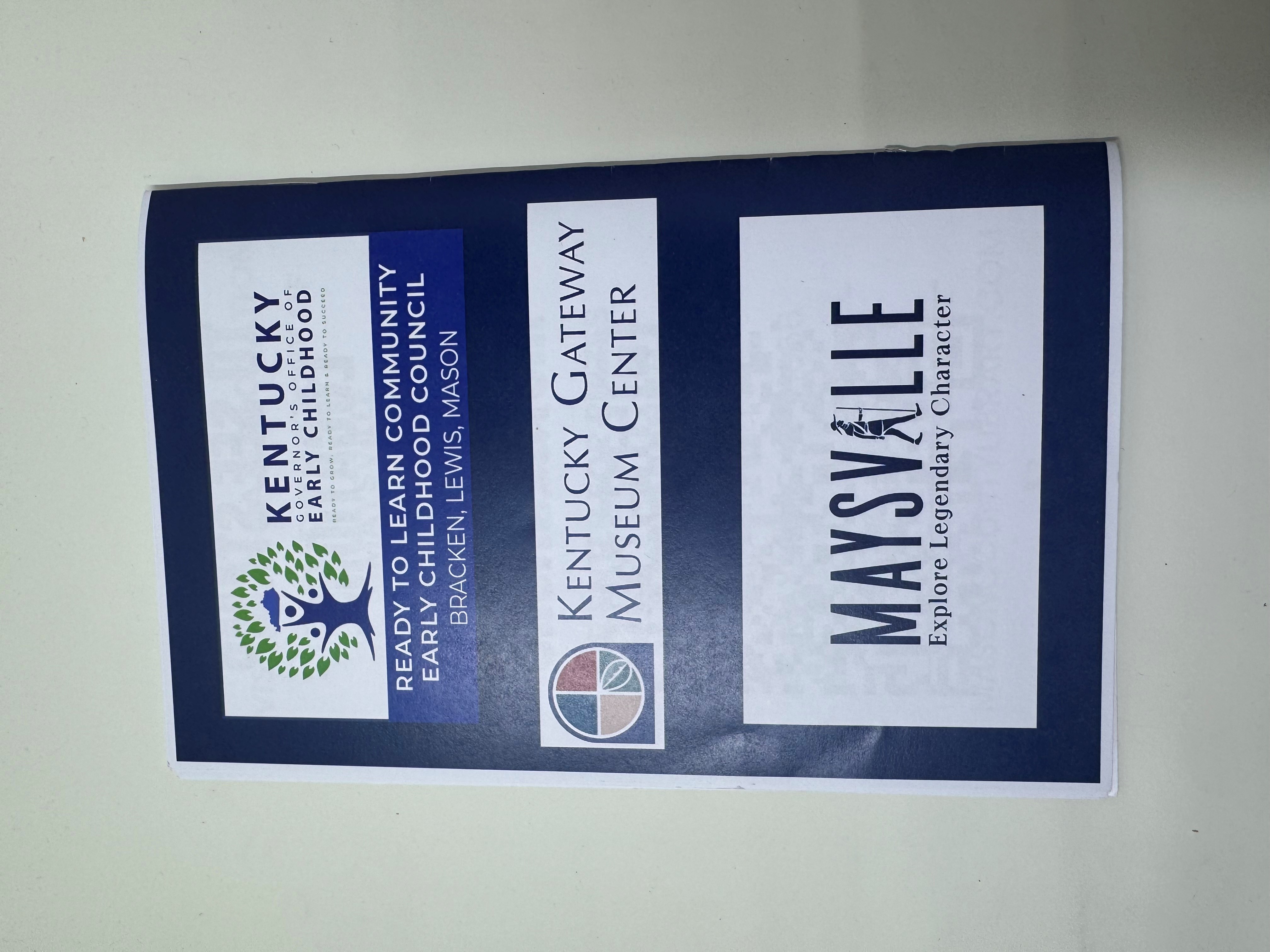
Planning began approximately one year before the program launched. The Mason County Public Library partnered with the Kentucky Gateway Museum Center, the City of Maysville, the Kentucky Governor's Office of Early Childhood through the Ready to Learn Community Early Childhood Council, Mason County Schools, and all 12 participating historical sites.
Throughout the planning process, our core team met regularly to recruit locations, research the history of each site, write educational content, develop a unique craft for every stop, and create approximately 250 craft kits for each of the 12 locations. One unexpected challenge occurred when our local printer was unable to produce the passports on schedule, requiring us to find a new printer in Cincinnati to meet our deadline. Despite that setback, the program launched successfully and provided families with a unique opportunity to connect with their community's history.
Marketing
We promoted the program through a variety of outreach efforts to ensure families throughout the community were aware of the opportunity. At launch, we created a promotional video, distributed passports to every student in grades 1–6 in the local school system, displayed flyers throughout the community, and provided passports at all library outreach locations. We also featured the program in a front-page newspaper article, created a second promotional video midway through the program, and promoted it during library visits and programs by talking with patrons directly.
The response exceeded our expectations. Families enthusiastically participated, and the feedback has been overwhelmingly positive. Participants consistently shared how much they enjoyed exploring local history in a hands-on way, and many have already expressed excitement about returning for next summer's Passport to Maysville History program.
Budgeting
Funding for the program came from several generous sources. The Kentucky Governor's Office of Early Childhood, through the Ready to Learn Community Early Childhood Council, covered the cost of printing the passports, while donations from local community members helped purchase supplies for the hands-on crafts at each location. This support allowed us to offer the program free of charge to participating families.
Looking ahead, I have already secured grant funding through the Ready to Learn Community Early Childhood Council to purchase most of the craft supplies for next year's program, and we are hopeful they will once again support passport printing. For libraries looking to implement a similar program on a smaller budget, costs can be reduced by offering simpler crafts with fewer materials or by limiting the number of participating locations, which decreases both supply and production expenses.
Day-of-event Activity
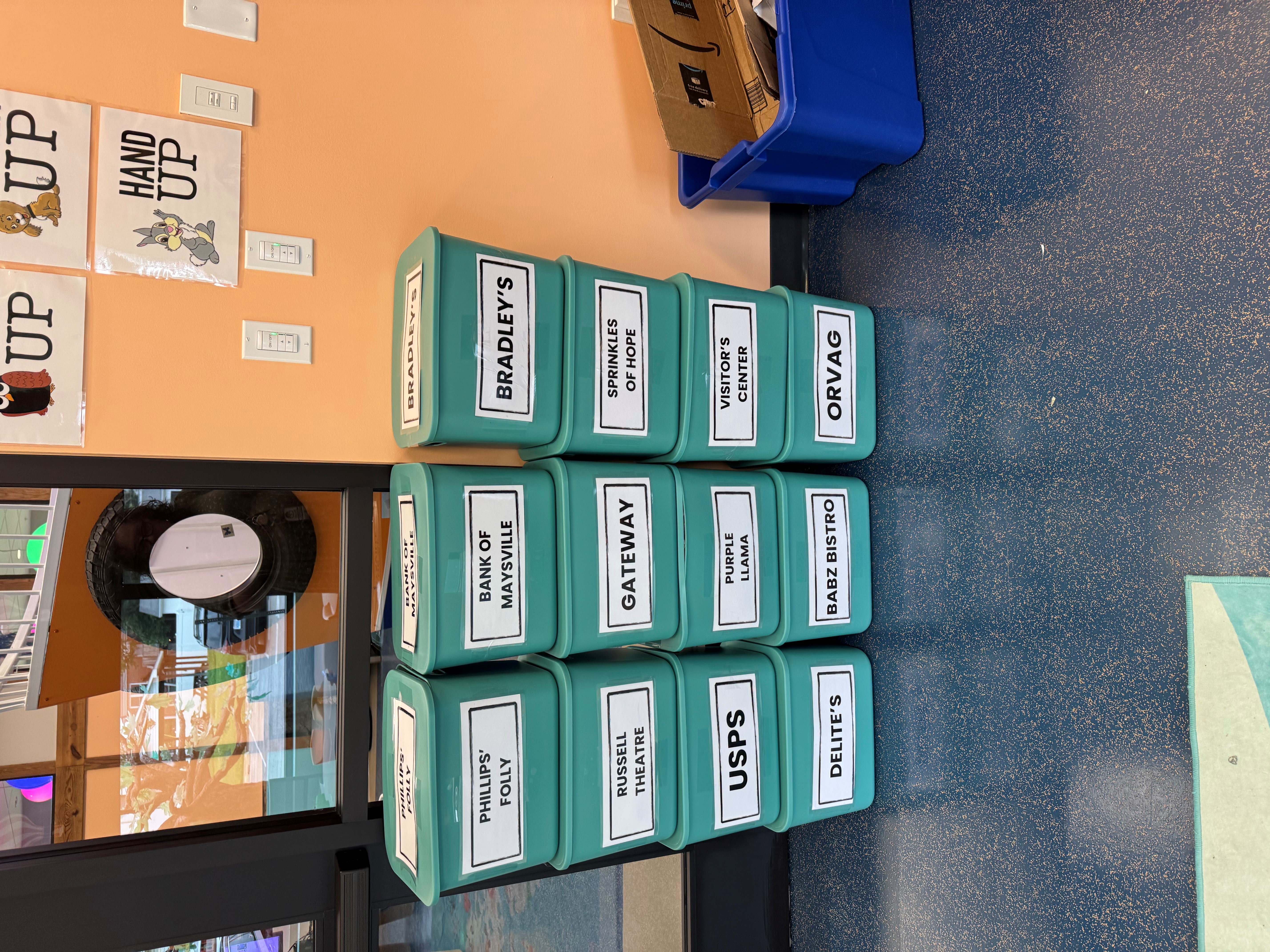
The launch day required minimal setup thanks to the extensive planning completed in advance. My programming assistant, Angelica (Geli) Murphy, and I loaded the program totes, signage, passports, and craft supplies, then delivered them to each participating location during prearranged drop-off times so staff were prepared for the program's start.
Overall, the launch went smoothly. The only unexpected challenge was that two participating locations were closed on the scheduled delivery day. We adjusted our schedule and completed their setup later that week, ensuring all 12 locations were fully prepared with minimal disruption to the program.
Program Execution
The program has been an overwhelming success and continues to engage children and families throughout the community. Participation has been strong, with many families already completing the passport, and we anticipate even more participants will finish before the program's end date. Throughout the program, families have shared enthusiastic feedback, praising the opportunity to explore Maysville's history in a fun, hands-on way and expressing excitement for next year's Passport to Maysville History.
We believe the program successfully achieved its goals of creating an interactive learning experience that encouraged families to discover local history together. The positive community response and growing participation have reinforced the value of the program, and we look forward to expanding and building on its success in future years.
Advice
My biggest piece of advice is to start planning earlier than you think you'll need. Building strong community partnerships takes time, and giving yourself plenty of time allows you to coordinate with participating locations, develop meaningful content, and prepare supplies without feeling rushed.
Don't be afraid to reach out to organizations and community members you may not have partnered with before—you may be surprised by how eager they are to participate. Finally, build the program around something unique to your community. Highlighting your local history, culture, or landmarks creates an experience that is both meaningful for participants and distinctive to your library.
Supporting Materials
Slideshow Images
More Programs
Escape to Independence
Audiences:
The Book Crawl
Audiences: