Project conception
The seed for a bilingual community cookbook that highlighted Northfield’s Latino community first came from a session at the 2024 Association of Bookmobile and Outreach Services conference. Led by the Hayward Public Library in California, the session focused on how, as part of the health fair, they had gathered recipes from the community and published them in a stapled booklet that was fully bilingual—one side in English, one side in Mandarin.
Our library has invested heavily in building trusted relationships with our Latino community. Many of those relationships are fostered and sustained by our Outreach Services Manager, Angelica Linder. We could not have even started this project without the connections and trust she has built. I swear she has half of Northfield’s Latino community saved in the contacts of her phone, ready to call up at any moment!
Securing funding
Funding was the next hurdle. We knew printing 100 full-color spiral-bound cookbooks would not be cheap. We received funding through Southeastern Libraries Cooperating, our regional library consortium, and their Community Reads grant. Local arts councils, regional consortia, state library systems, and the NEA Big Read grants are other great spots to look for similar funding opportunities.
Making it happen
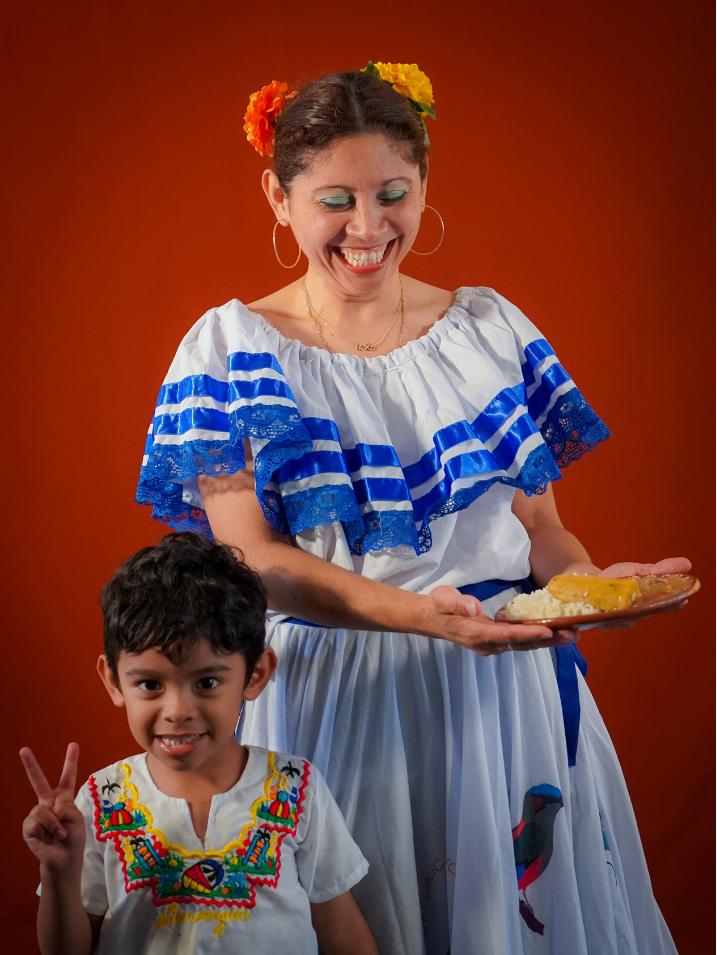
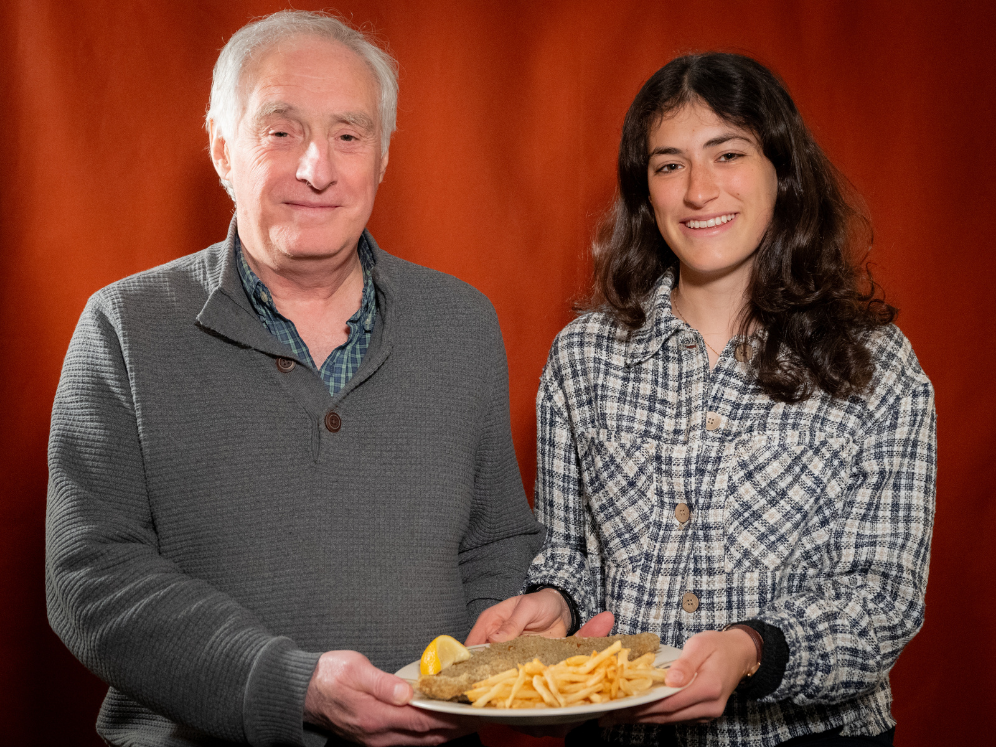
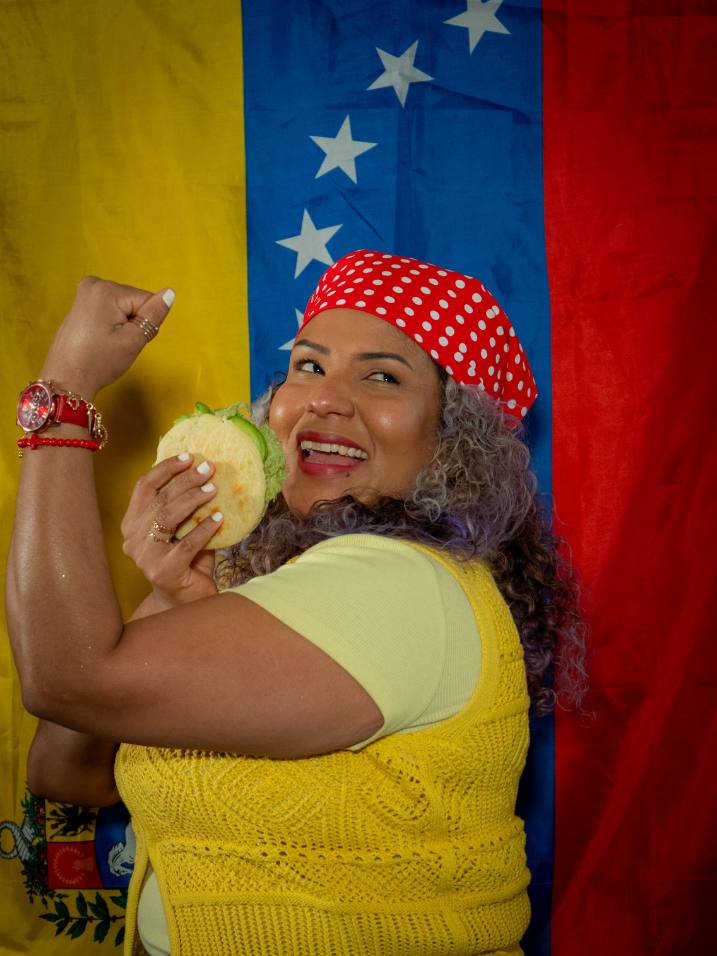
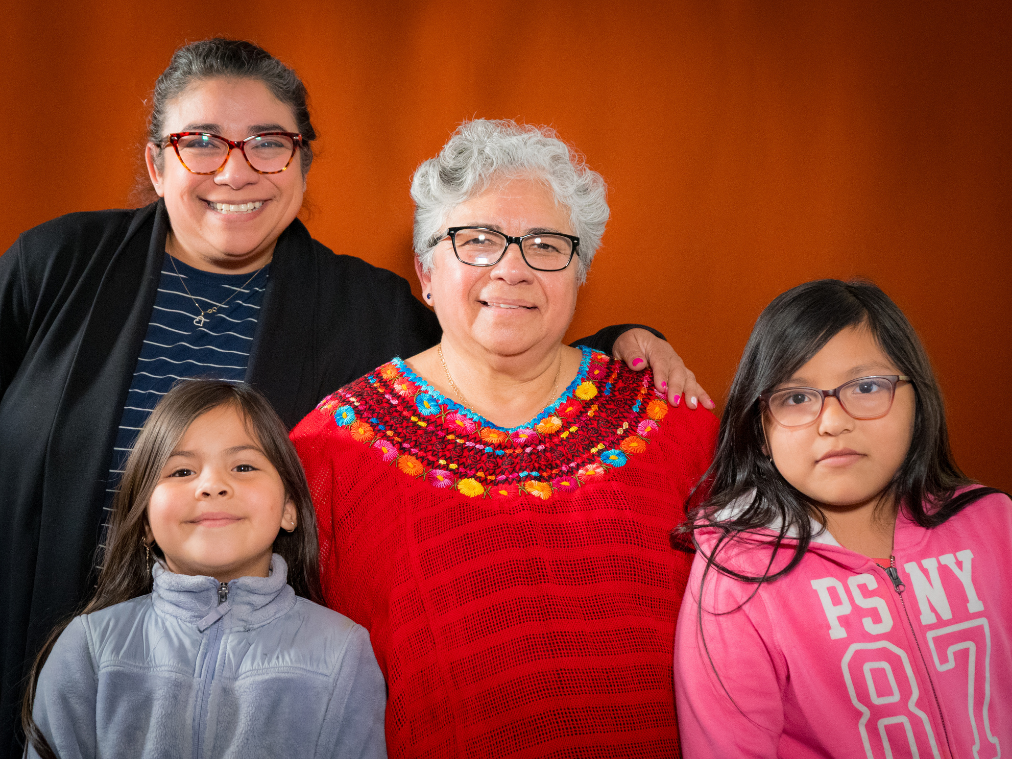
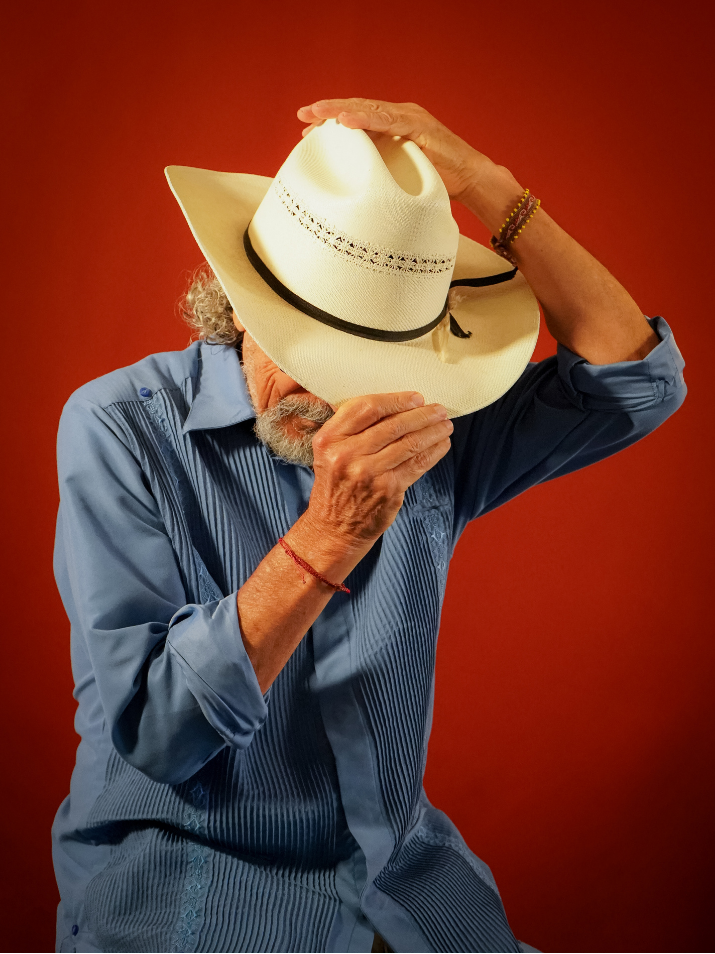
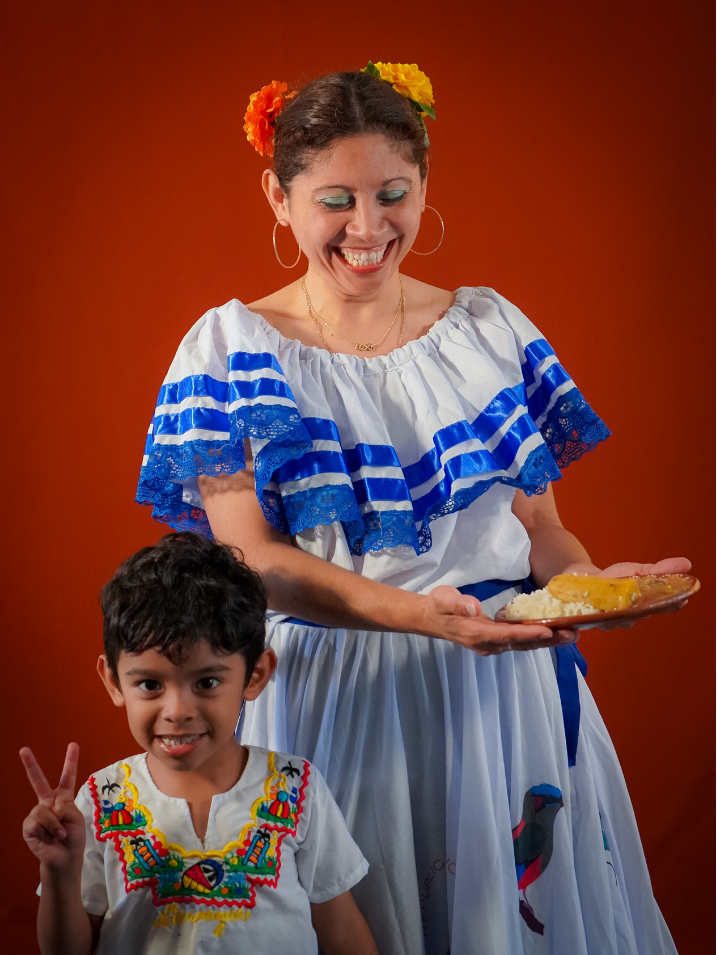
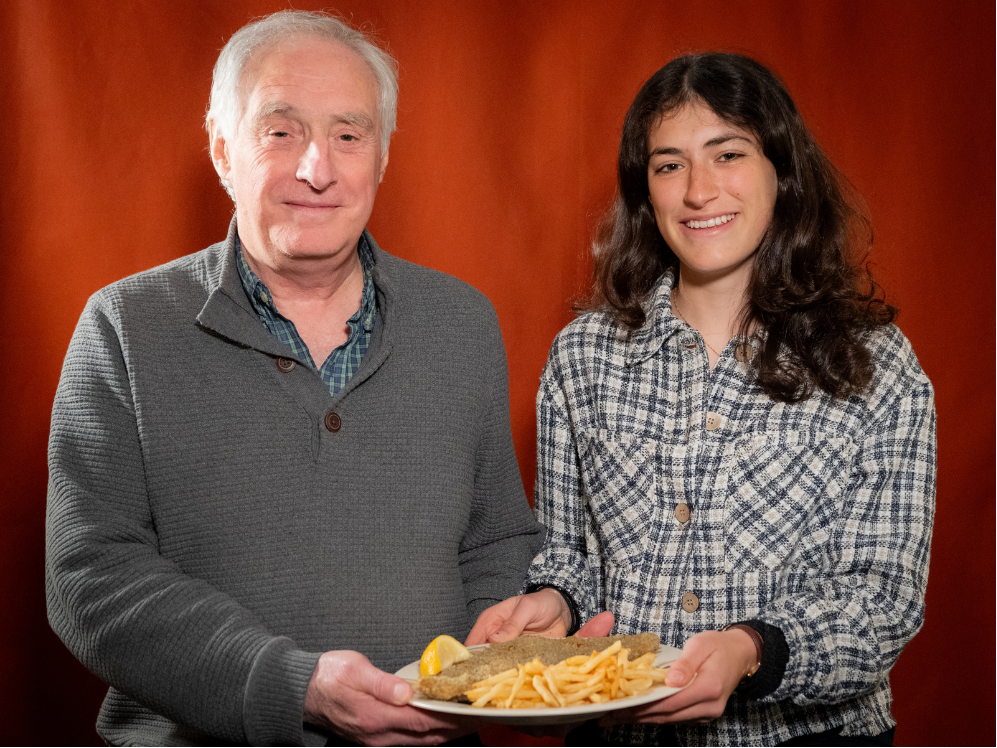
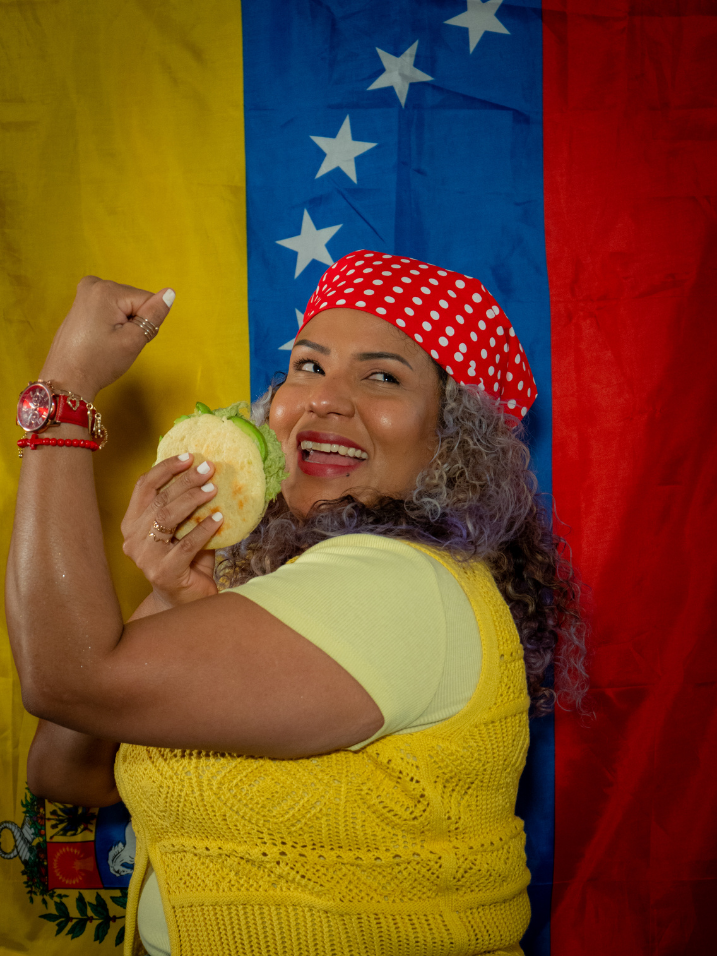
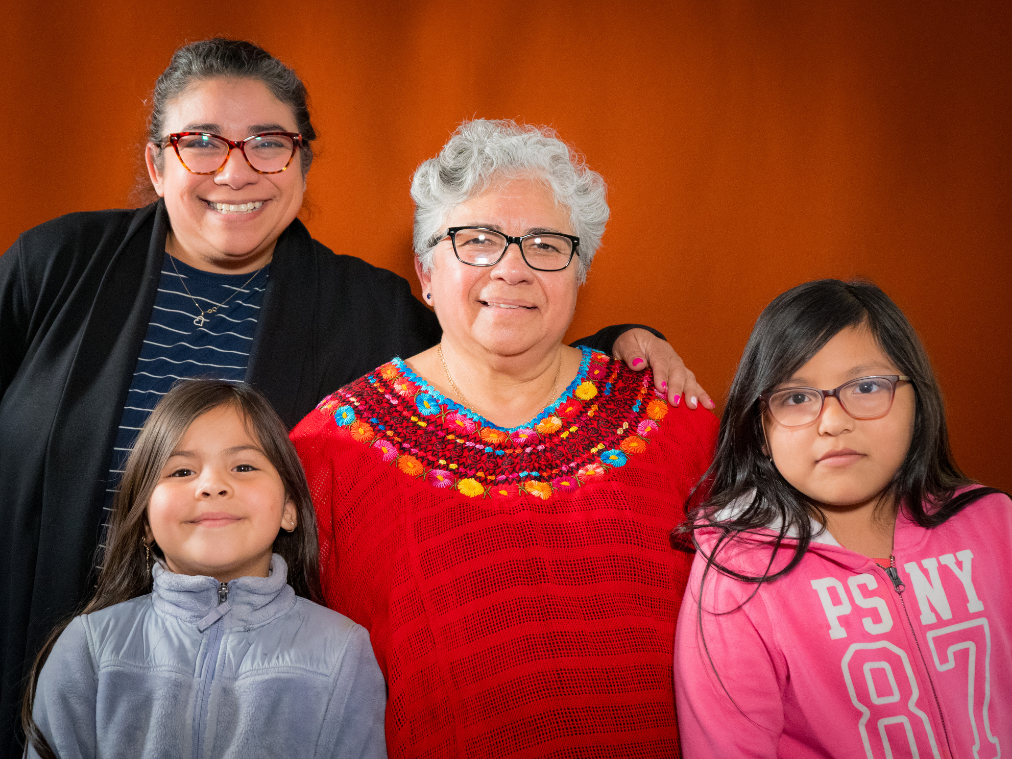
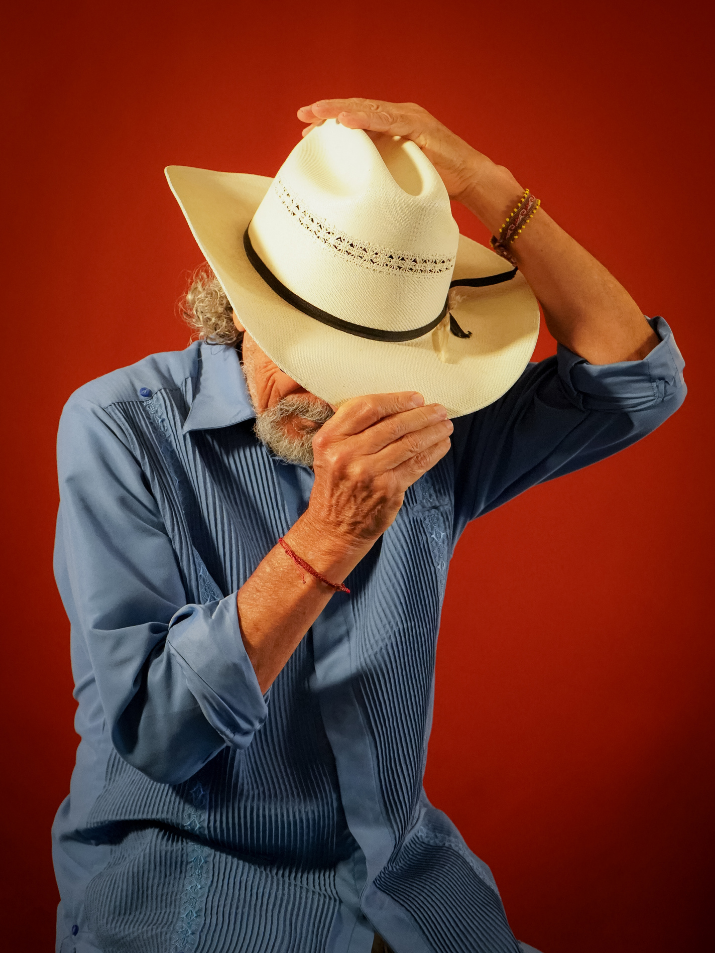
We wanted the person behind the camera to mirror those in front of it. Rio Pérez, a queer, Latine photographer from Minneapolis, was integral to the creation of the gorgeous, colorful, vibrant photographs that filled our pages.
We started spreading word of the cookbook in March of 2025. Our goal was to gather at least 15 contributors, all based in Northfield but representing countries across Latin America. Some people came to mind immediately. Others found us, and others we sought out to have a wide representation of backgrounds, countries, and ages. By May, we had a diverse group of cooks: mothers, fathers, grandmothers, students, professors, bakers, and more, ready to share their recipes and stories.
With grocery costs rising, we knew that preparing the intricate dishes just for a photo was asking a lot of our cooks. We reached out to our local food co-op, and they graciously donated gift cards, which we were able to give to each contributor.
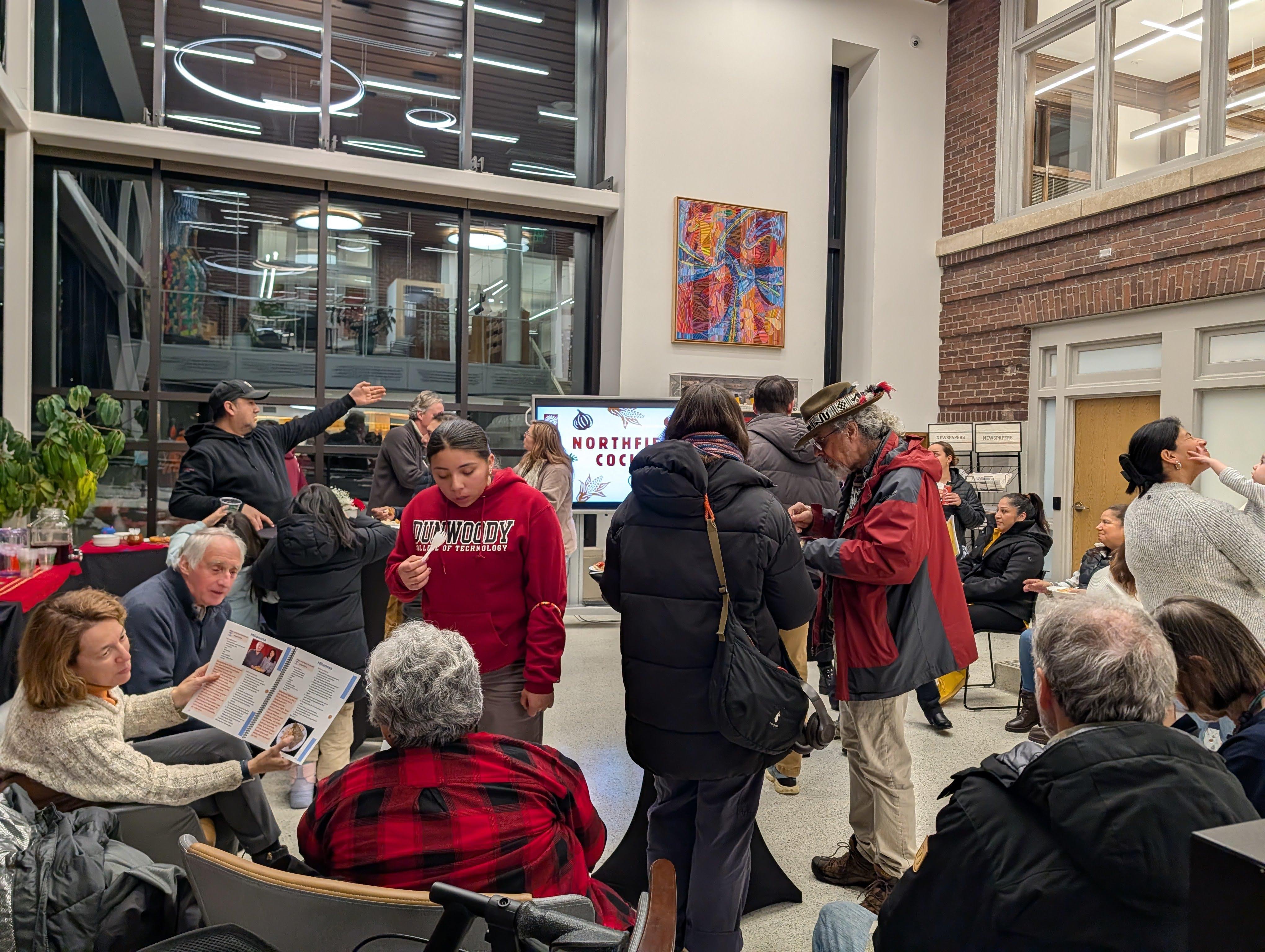
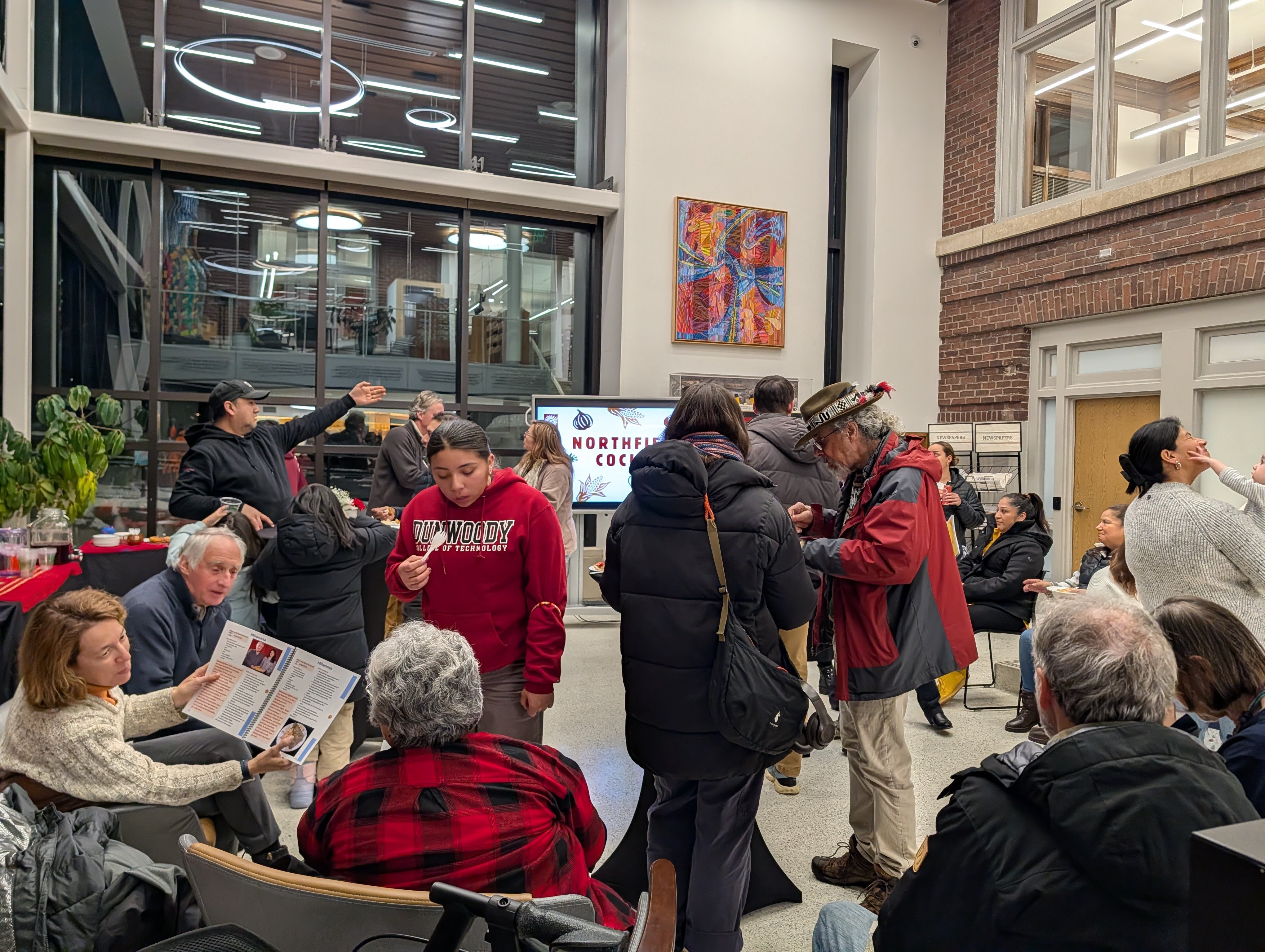
The three photoshoot dates we hosted over the summer were highlights of the project. To capture photographs of the food, all the contributors brought their freshly cooked dishes to the library. Smells of Latin American food filled the building, salsa, reggaeton, and cumbia music played from Rio’s speaker in our meeting room, and joy emanated everywhere. As the cooks trickled in, they tasted one another’s food, chatted about where they were from, and enjoyed each other’s company.
At one point, I think we had six countries represented in one room! When it was someone’s turn to take their photos, the others hyped them up from behind the camera: “Qué hermoso!” “Slayyyy!” “WOW!!”
The community we created in those days in our library meeting room is what we hope our cookbook conveyed—a joyful, inclusive, welcoming space for all of us to feel pride in what we bring to the table.
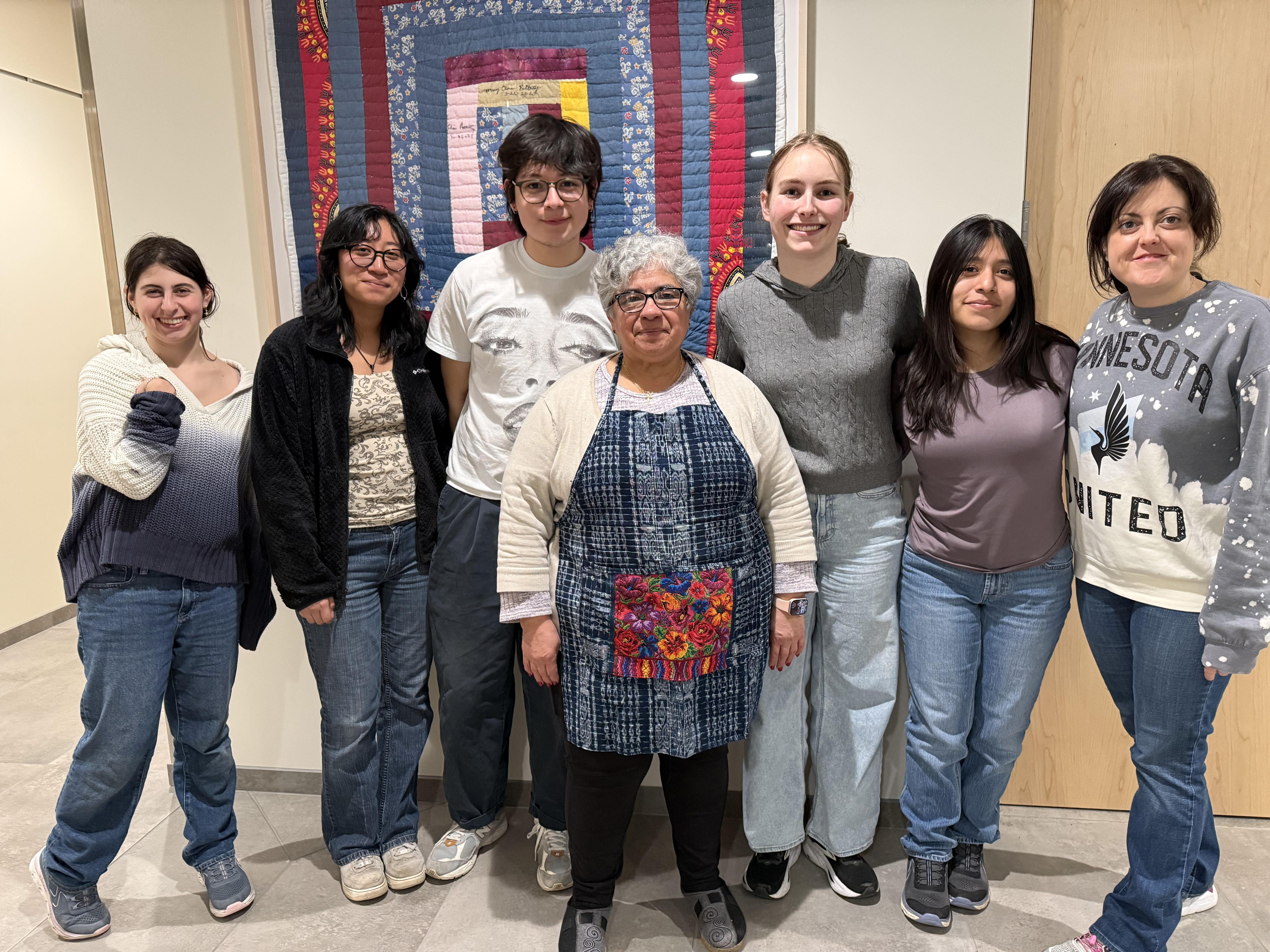
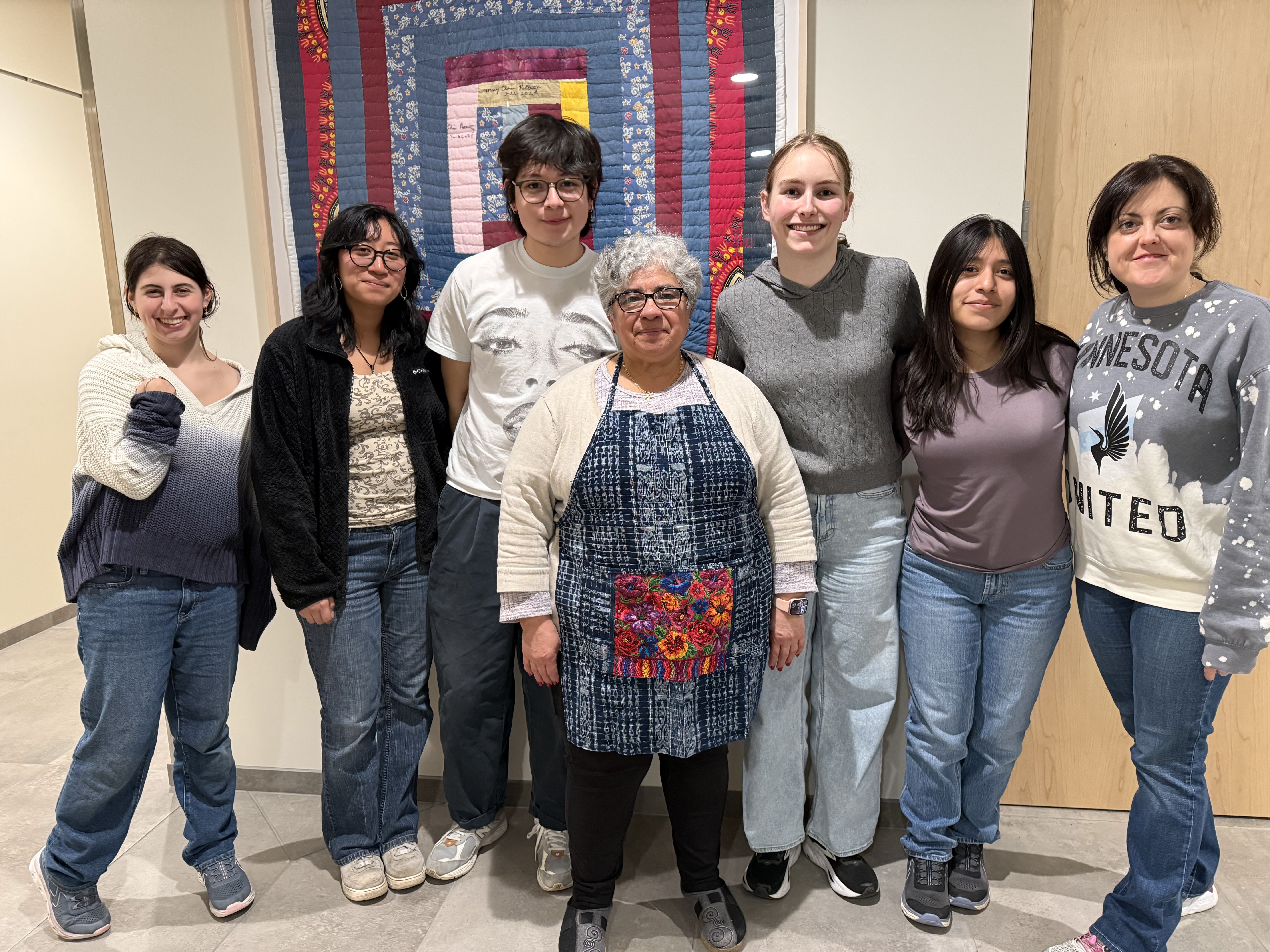
Creating a fully bilingual cookbook was a labor of love and a significant undertaking. Tremendous time and effort from many staff members were required to translate recipes, design the layout, and communicate back and forth with contributors. Our bilingual staff members and student workers were invaluable.