Digital Pathways Part 2: AI, Health Information, and the Library Reference Interview
How can library workers help when a patron brings an AI-generated health answer to the reference desk? Presenters will briefly introduce generative artificial intelligence (AI) and use prepared examples to examine how question wording can shape a response. Drawing on the Digital Pathways guide, the session will address trust, misinformation, and source verification through a fictional public library case. Presenters will model neutral reference questions and ways to evaluate supporting sources while protecting personal information. Participants will consider how to help patrons prepare questions for a healthcare professional when a request concerns individual care.
Learning Outcomes
By the end of the webinar, participants will be able to:
- Identify verification concerns in an AI-generated health answer, including question wording and the quality of supporting sources.
- Use neutral reference questions to clarify a patron’s information need while protecting personal information.
- Locate and evaluate relevant health information sources and help patrons prepare questions for an appropriate healthcare professional.
This is Part 2 in a two-webinar series highlighting practical applications for the free Digital Pathways: Online Health Literacy Programming for Adults guide. You can register for Part 1 here.
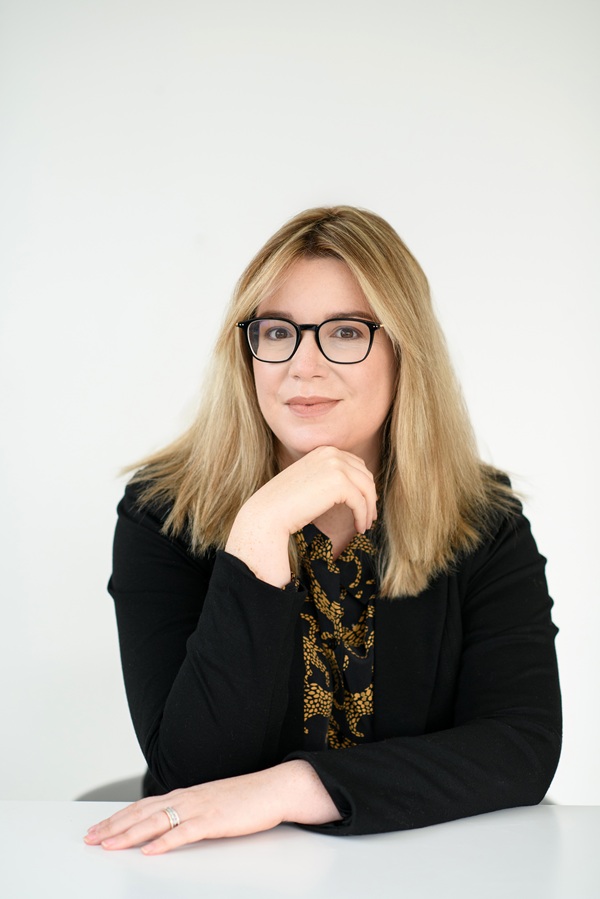
Dr. Kate Mercer is the liaison librarian for Systems Design Engineering and Biomedical Engineering and Research Services team lead at the University of Waterloo Libraries where she works on strategies related to information and misinformation, understanding the research landscape, and building innovative partnerships that span disciplines Holding a Master of Information from the University of Toronto and a PhD from the School of Pharmacy at the University of Waterloo Kate publishes on a range of topics including information literacy, misinformation, scientific communication, artificial intelligence, and empathy in engineering teaching and learning.
Kate is passionate about understanding how health information and technology interact, and how to better support students, faculty, and local community members navigate an increasingly complex information landscape.
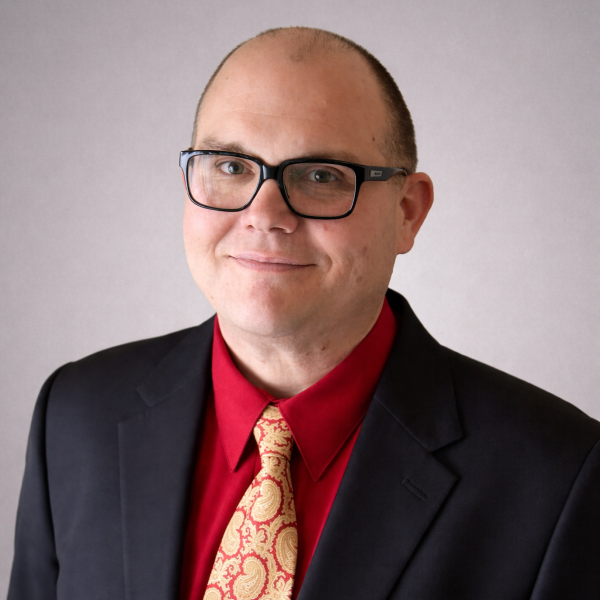 Dr. Witt Salley is an Adult and Teen Services Librarian with Montgomery County Public Libraries. At Quince Orchard Library, he coordinates English Conversation Groups, leads the Teen Advisory Board, provides one-to-one technology help, and develops programs that connect teens, adults, and older adults to reliable information, digital skills, community, and practical support. Earlier in his career, Witt led online learning and academic support units in higher education, including roles at Clemson University, Ozarks Technical Community College, and Maryland University of Integrative Health. He holds the Medical Library Association’s Consumer Health Information Specialization and serves on the Public Library Association’s Digital Literacy Advisory Group. His contributions to Digital Pathways draw on experience in online programming, health information access, and plain-language communication for adult learners.
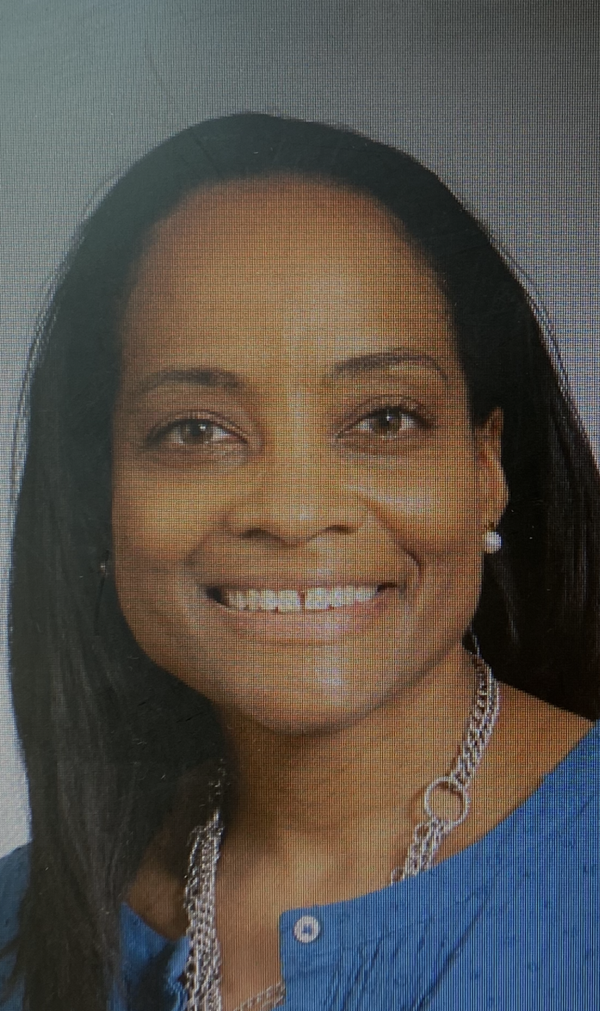
Marlowe Bogino holds a MSLS from Clarion University of Pennsylvania and AHIP designation from the Medical Library Association.
For almost ten years, she has worked in libraries in various settings including public, academic and health libraries in which she supported learning, instruction and outreach. She currently works in the role of Medical Librarian at the Helen F. Graham Cancer Center Junior Board Resource Library at Christiana Care where she has the opportunity to support patients, families and work closely with the cancer outreach team. She has written and published a journal article focused on library support of health information for communities and co-authored two book chapters focused on equitable and inclusive library practices.
She believes her library role is rooted in service and support and continually looks for opportunities to make new connections.